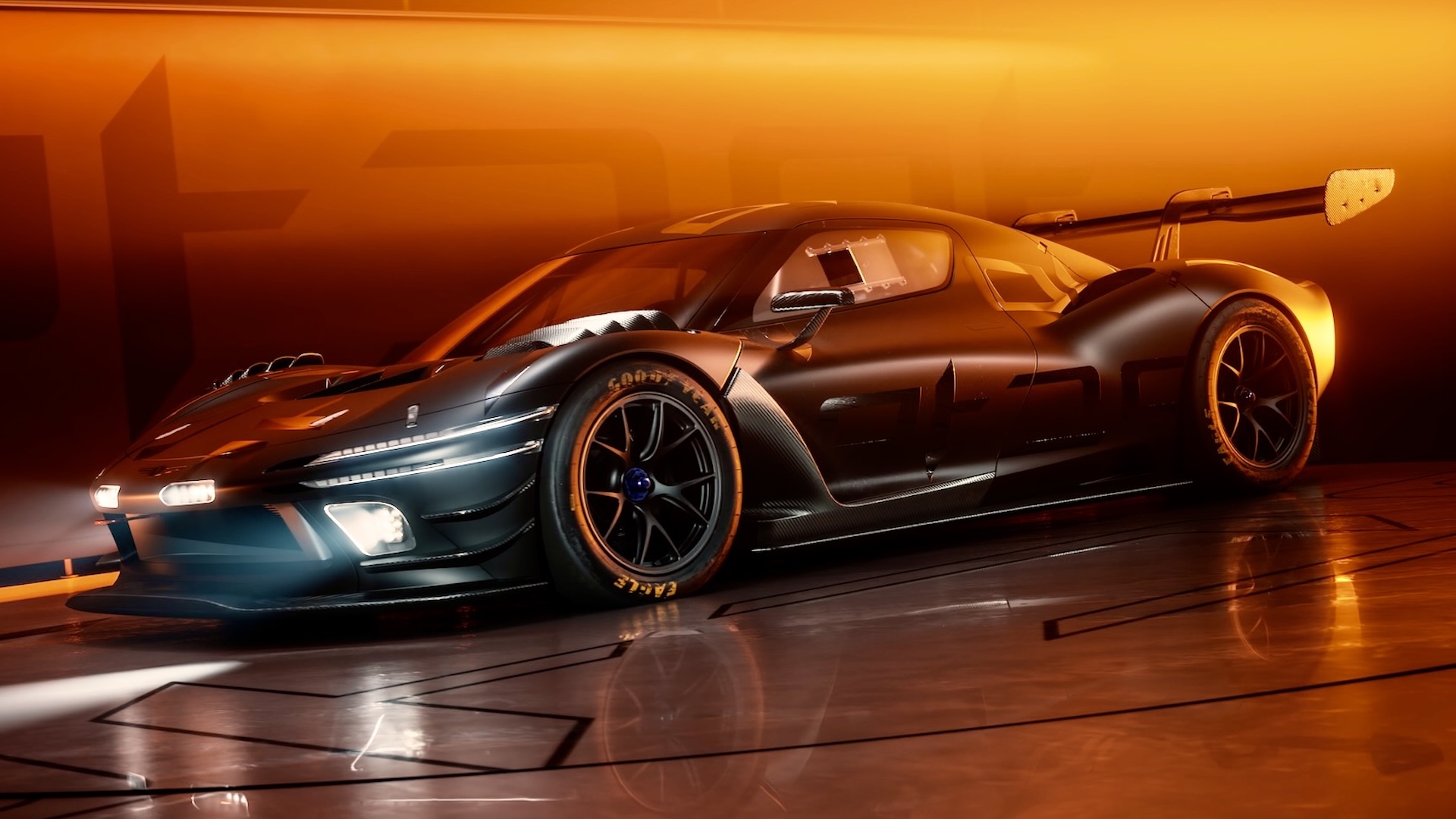
Genesis enters the GT3 racing arena with the Magma GT3, a race car concept that executives signaled as far more than exploratory. Design chief Luc Donckerwolke and Cyril Abiteboul, the marque's Chief Motorsport Officer, presented the concept as a committed step into competitive motorsport rather than a mere design exercise.
The move positions Genesis alongside luxury brands already active in GT3 competition. The GT3 category attracts manufacturers seeking to build performance credentials and engage enthusiast audiences without the financial burden of top-tier motorsport programs like Formula 1 or Le Mans prototypes. GT3 cars compete in multiple international series and regional championships, offering manufacturers direct consumer relevance through race-to-road visibility.
Genesis, Hyundai's luxury division, has spent recent years establishing itself as a serious automotive player through design innovation and electrification strategy. Motorsport participation accelerates brand perception as a performance-oriented marque. The Magma GT3 follows this playbook by translating Genesis design language into a racing platform. The name references Genesis's earlier Magma concept, linking the race car to the brand's existing design narrative.
While details remain limited, GT3 regulations dictate a specific technical framework. These cars use 4-liter naturally aspirated V8 engines producing around 550 horsepower, paired with sequential gearboxes and aggressive aerodynamic packages. Manufacturers adapt their body panels and design cues within these constraints, allowing brand differentiation.
Abiteboul's involvement carries weight. His track record at Renault F1 and later roles demonstrate expertise in competitive motorsport strategy. His presence signals serious technical leadership rather than marketing theater. The pairing with Donckerwolke, responsible for Genesis's distinctive sedan and coupe designs, suggests the racing program will maintain visual