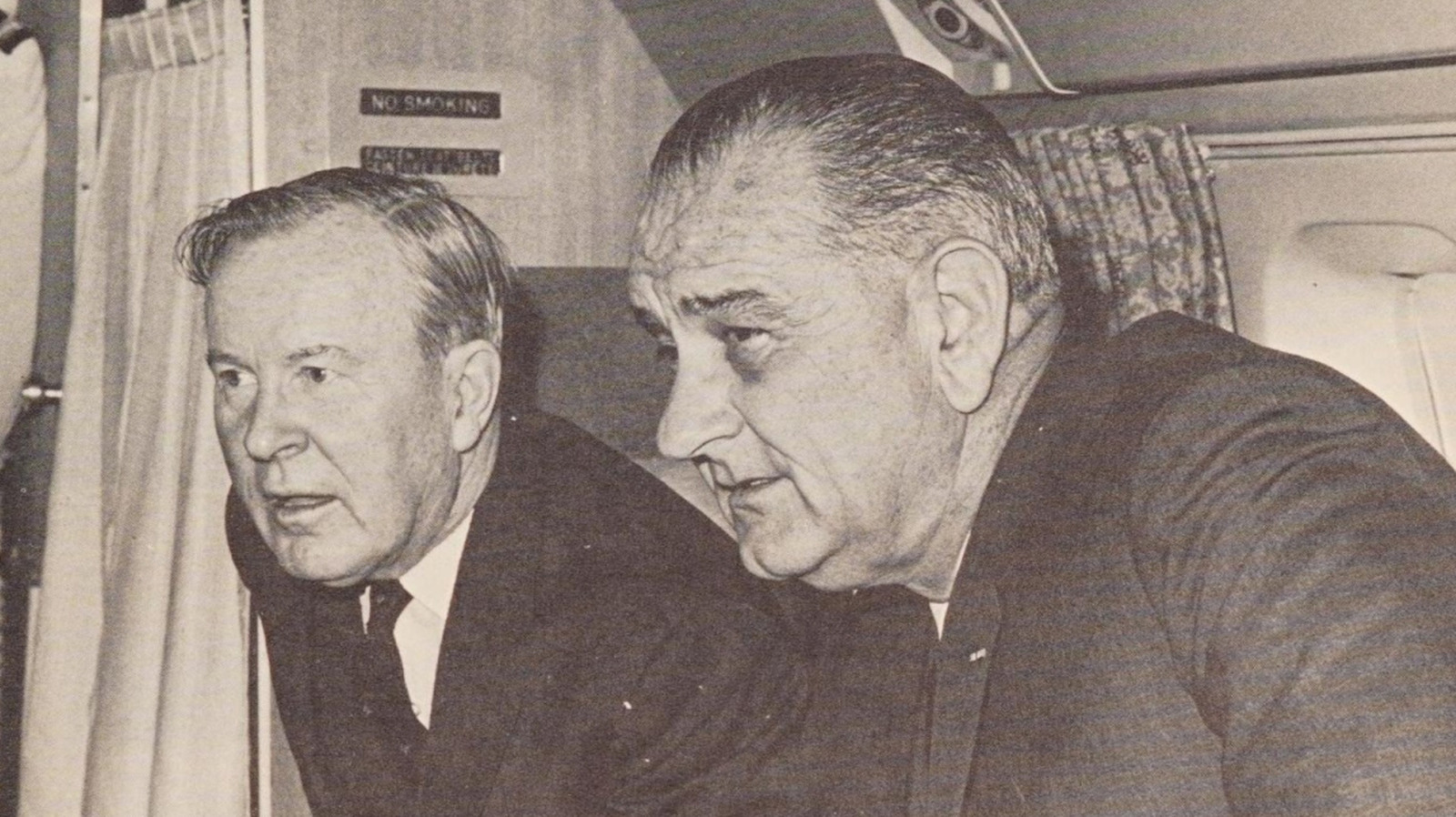
The 1965 Automotive Products Trade Agreement fundamentally restructured North American vehicle manufacturing by eliminating tariffs between the United States and Canada. Canadian Prime Minister Lester Pearson and President Lyndon Johnson signed the pact, which addressed Canada's severe trade imbalance with America by opening continental production networks.
Before 1965, Canada manufactured vehicles almost exclusively for domestic consumption behind protective tariff walls. American automakers operated separate Canadian subsidiaries that built cars solely for the Canadian market, creating massive inefficiency. General Motors, Ford, and Chrysler replicated entire production operations across the border, doubling engineering and manufacturing costs while limiting scale economies.
The Auto Pact eliminated these barriers overnight. Detroit's Big Three could now rationalize production across the continent. Plants specialized in specific models and components rather than duplicating full lineups. A factory in Ontario might produce only sedans while a Michigan facility handled trucks. Parts flowed freely across the border, allowing manufacturers to optimize labor costs, supply chains, and logistics.
The agreement transformed Canada from an isolated automotive island into an integrated manufacturing region. Canadian plants gained access to massive American markets while U.S. manufacturers gained efficient production capacity north of the border. By requiring that North American content standards be met, the pact ensured that actual manufacturing jobs remained in Canada rather than just final assembly.
This framework proved so successful that it survived for nearly five decades largely intact, shaping how Detroit built vehicles through multiple generations. When NAFTA replaced the Auto Pact in 1994, it preserved the fundamental principle of integrated North American production. Today's complex supply chains and cross-border component shipping trace directly back to Pearson and Johnson's 1965 decision.
The pact proved that tariff elimination between trading partners with similar labor standards and regulatory frameworks created genuine economic growth for both nations, not race-to-the-bottom competition.
CATEGORY