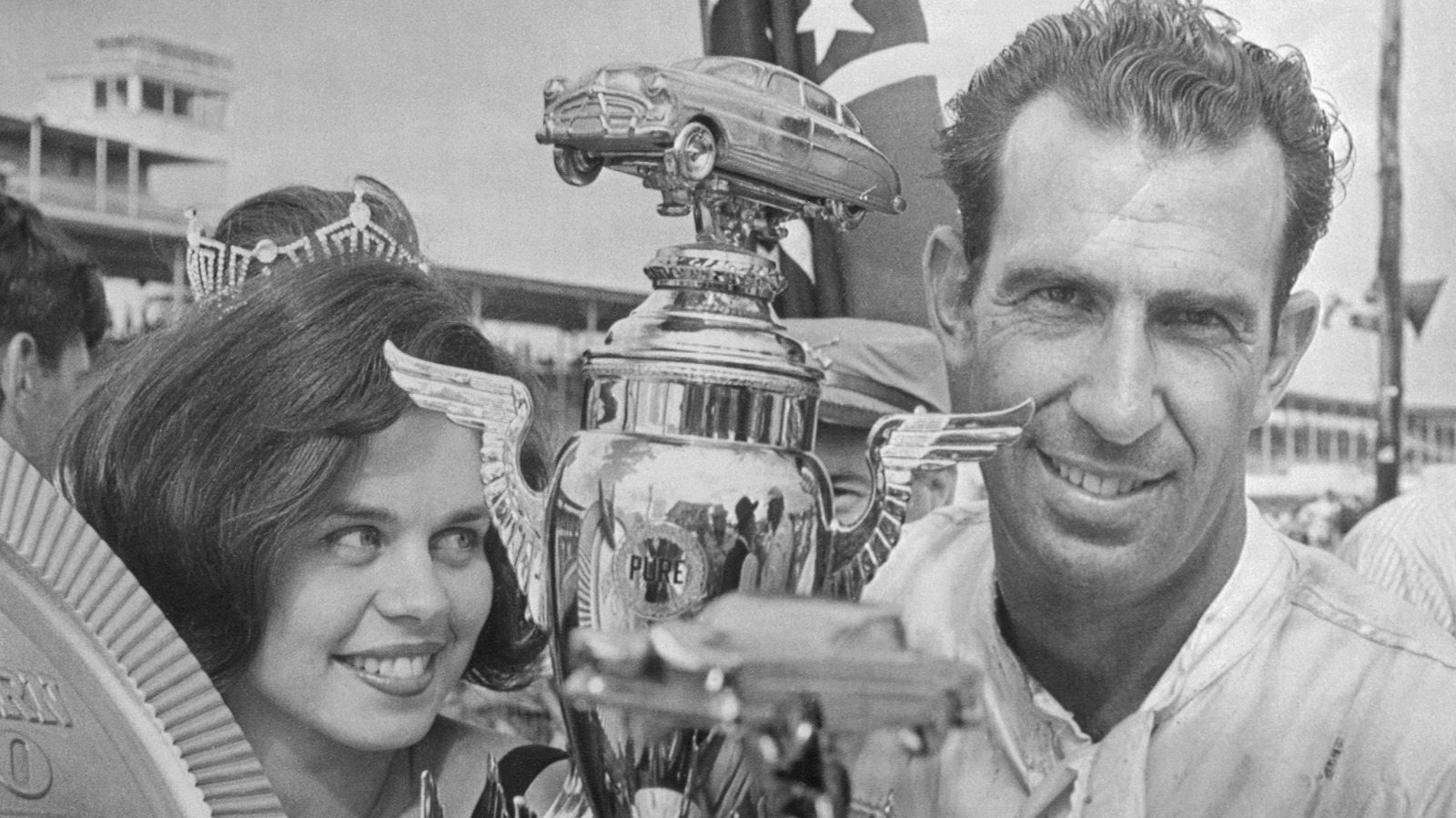
Ned Jarrett's path to NASCAR immortality started with an act of financial desperation. The legendary driver wrote a bad check to purchase a race car, wagering his future on the assumption that race winnings would arrive before the bank discovered the fraud.
Jarrett's gamble paid off. He went on to become one of NASCAR's most respected figures, winning two Grand National Series championships in 1961 and 1965. His 50 career wins placed him among the sport's elite competitors during the 1960s, an era when drivers raced multiple times weekly and earned meager purses compared to modern standards.
The bad check story encapsulates the gritty reality of racing's early decades. Drivers operated on shoestring budgets. Cars were built in home garages. Sponsorship barely existed. Success required equal parts skill, nerve, and willingness to risk everything on a single bet.
Jarrett's career reflected this mentality. He competed in an astonishing 352 races during his NASCAR tenure, driving for himself and various small teams. He faced competition from legends like Richard Petty and Lee Roy Yarbrough on tracks that ranged from paved speedways to dirt ovals. His consistency and racecraft earned him respect that transcended his era.
The Hall of Fame inductee later became a broadcaster and team owner, shaping NASCAR's second generation. His influence extended beyond driving stats. Jarrett represented a type of racer that barely exists today. Modern drivers arrive with corporate backing, professional development programs, and multi-million-dollar ride opportunities. Jarrett had a checking account and a dream.
His willingness to forge a check reveals the lengths early NASCAR competitors went to compete. It also underscores how radically the sport has evolved. Today's racing demands substantial capital before a driver ever turns a wheel professionally. The bad check era