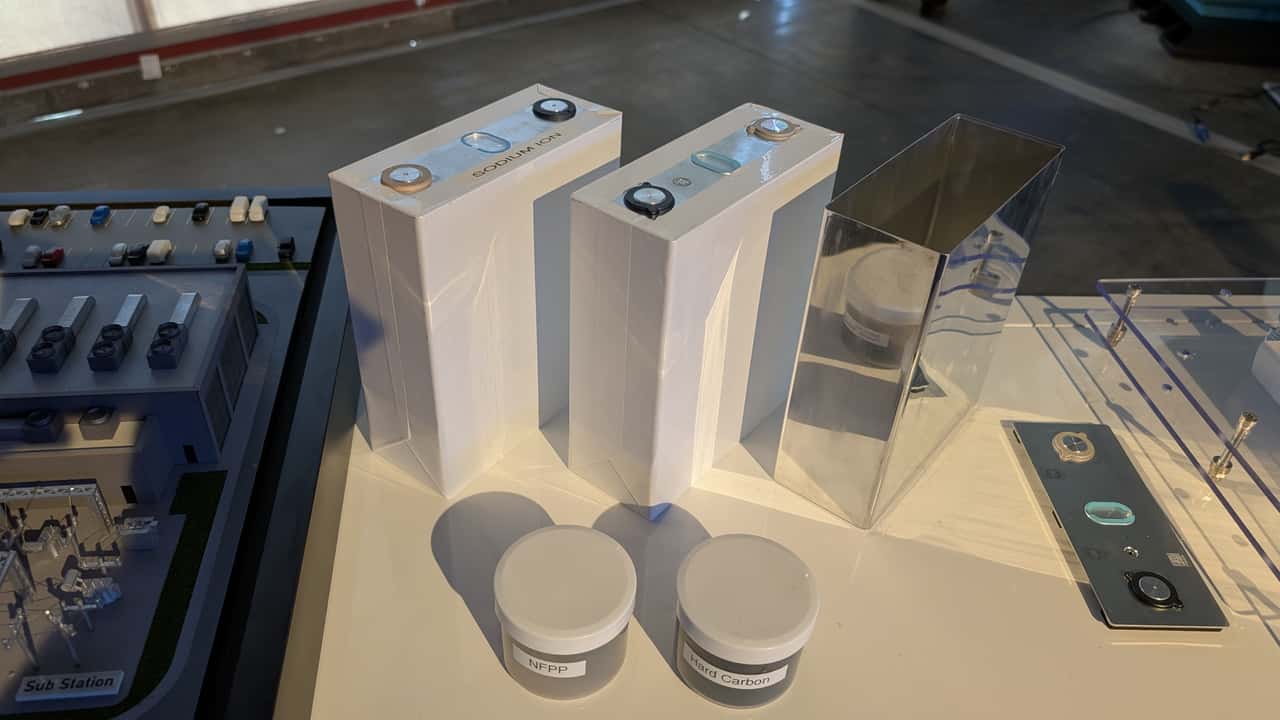
General Motors is betting on two emerging technologies to transform itself from automaker into energy company. The push centers on sodium-ion battery production and bidirectional vehicle-to-grid charging systems that let EVs feed power back into the electrical grid during peak demand.
GM's sodium-ion strategy addresses a core EV problem: lithium supply constraints and cost volatility. Sodium batteries deliver lower energy density than lithium-ion packs but use abundant, cheaper materials. They perform adequately for mid-range vehicles and urban commuters, making them commercially viable for mass-market models. GM plans to produce these batteries domestically, reducing dependence on overseas lithium and cobalt sources that complicate supply chains and drive up pricing.
The vehicle-to-grid proposition cuts deeper into GM's revenue potential. Connected EVs with bidirectional chargers become mobile power storage units. Fleet operators, homeowners, and utilities can draw stored electricity when grid demand spikes or renewable generation dips. This transforms vehicles from idle depreciating assets into revenue-generating grid assets. GM sees opportunity in selling software, charging hardware, and grid management services alongside vehicles.
Competition intensifies here. Toyota, Nissan, and Volkswagen all pursue V2G capabilities. Chinese manufacturer BYD dominates sodium-ion production globally. Ford and Stellantis invest heavily in battery partnerships. The technology moves from laboratory concept toward commercial deployment, but adoption depends on utility infrastructure upgrades and regulatory frameworks that permit residential and commercial V2G operations.
GM's strategy reflects industry recognition that EV profitability requires ecosystem expansion. Raw vehicle sales margins shrink as competition increases and battery costs commoditize. Successful automakers capture value through energy services, software subscriptions, and grid integration revenue streams. Sodium batteries lower production costs while V2G networks create recurring service relationships with customers and utilities.
This energy play positions GM for a fundamentally