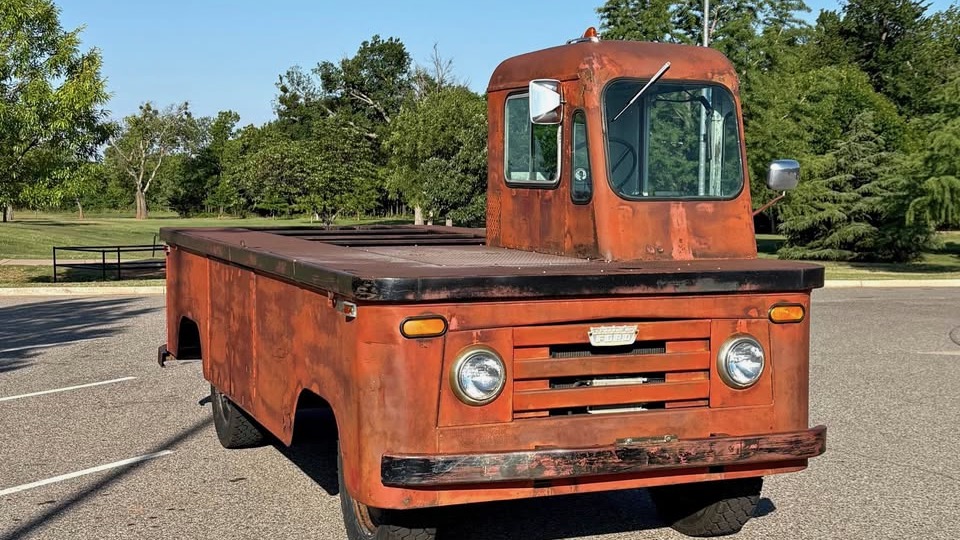
The DeKalb Lumberjack represents an extreme approach to single-cab truck design, stripping away creature comforts that define modern work vehicles. Built specifically for hauling construction materials, this truck prioritizes payload capacity and durability over driver amenities.
The Lumberjack's spartan design contrasts sharply with today's crew-cab trucks, which often feature leather seats, touchscreen infotainment systems, and climate control. This purpose-built hauler focuses entirely on what matters for job sites: structural rigidity, towing capability, and cargo bed versatility. The single-cab configuration maximizes the cargo area while minimizing curb weight, a critical advantage when moving heavy loads of lumber, drywall, or concrete.
Construction contractors have historically favored stripped-down trucks for this exact reason. Every pound dedicated to passenger comfort directly reduces payload capacity. Modern pickup trucks, even base models, carry thousands of dollars in electronics and comfort features that job-site vehicles simply don't need.
The DeKalb Lumberjack fills a niche that's shrunk considerably as manufacturers pursue higher-margin extended-cab and crew-cab models. Pickup truck economics have shifted dramatically. Automakers earn more selling crew-cab trucks to contractors who can afford upgraded packages and extended warranties. Single-cab workhorses generate lower profits, which explains why Ford, Chevrolet, and Ram have largely abandoned this segment.
This creates opportunity for specialty builders. The Lumberjack targets contractors who still value simplicity and efficiency over modernity. No infotainment screens to break on rough terrain. No automatic transmissions to service. Just a straightforward tool designed for one job.
The truck market's evolution tells a story about changing customer priorities. While consumer-focused buyers demand comfort and technology, working contractors face pressure to choose between what builders offer and what they actually