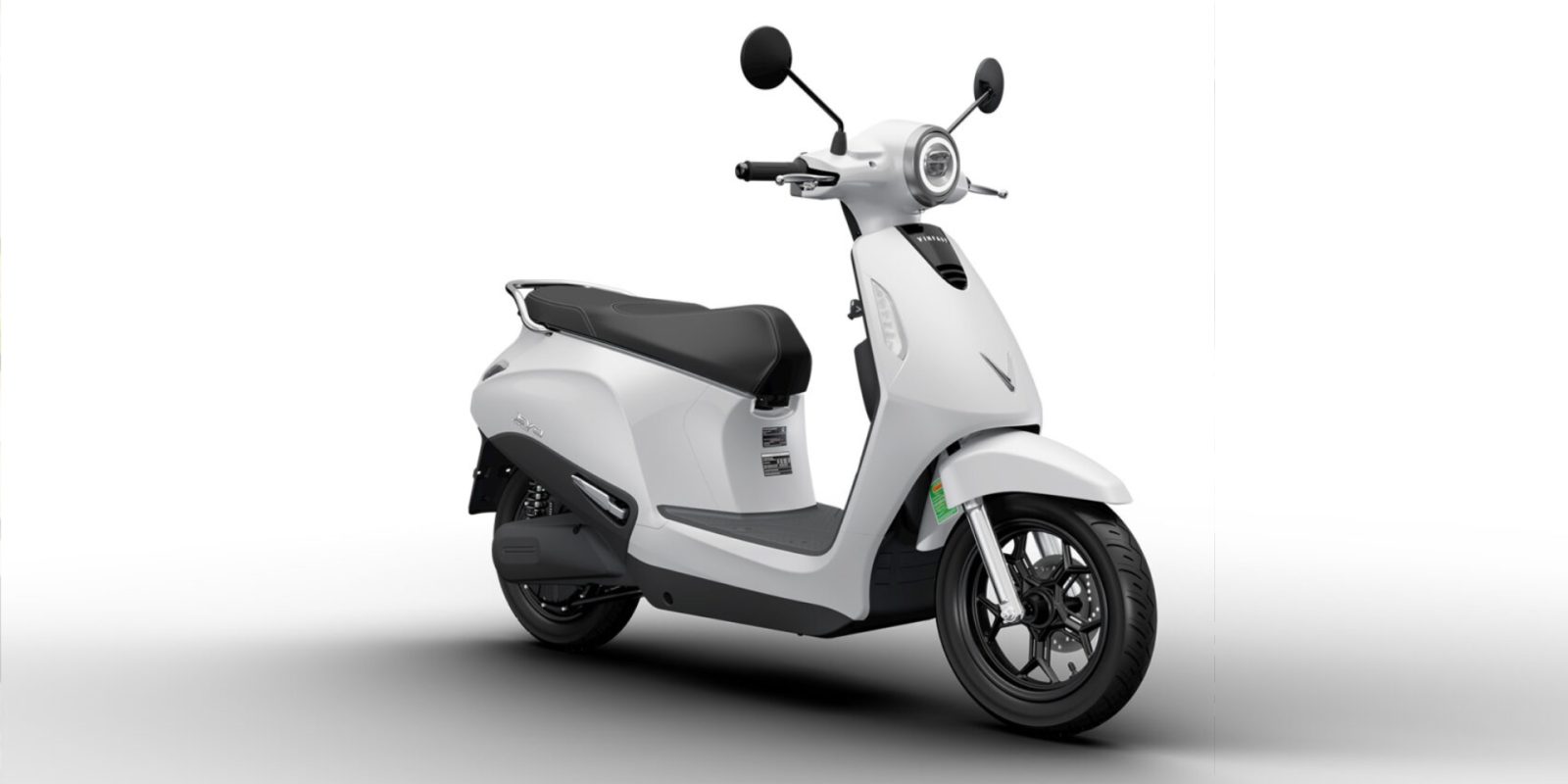
VinFast, the Vietnamese automaker chasing EV credibility in North America and Europe with electric SUVs, has quietly become a major player in two-wheelers. The company just produced its one millionth electric motorcycle and scooter.
Western consumers associate VinFast primarily with its entry-level and mid-range electric SUVs like the VF5 Plus, which generated 3,000 orders in nine hours when launched. That focus obscures VinFast's real scale in emerging markets. The company commands substantial market share in Southeast Asian two-wheeler sales, where electric motorcycles and scooters represent the dominant EV category, not cars.
This milestone exposes a critical gap in how the global auto industry measures EV success. The West fixates on passenger cars and light trucks. Meanwhile, two-wheelers constitute the largest EV segment by unit volume worldwide. India, Indonesia, and Vietnam produce tens of millions of two-wheelers annually, with electrification accelerating rapidly. VinFast's one million units places it among the world's largest EV manufacturers by actual production numbers, yet it registers barely on Western automotive radar.
The strategic implication cuts both ways. VinFast's motorcycle success generates cash and manufacturing expertise at scale. That operational foundation supports its international SUV ambitions. But it also exposes why the company struggles in developed markets. Two-wheeler profitability in Asia sustains operations that burn capital developing cars for premium markets where VinFast lacks brand recognition and dealer networks.
VinFast's dual strategy reflects hard industrial reality. The company cannot yet compete against Tesla, Volkswagen, or BYD in global car markets. Dominating the two-wheeler space in Vietnam, where it owns significant cost advantages and brand loyalty, provides both revenue and credibility. Each million two-wheelers sold funds another attempt