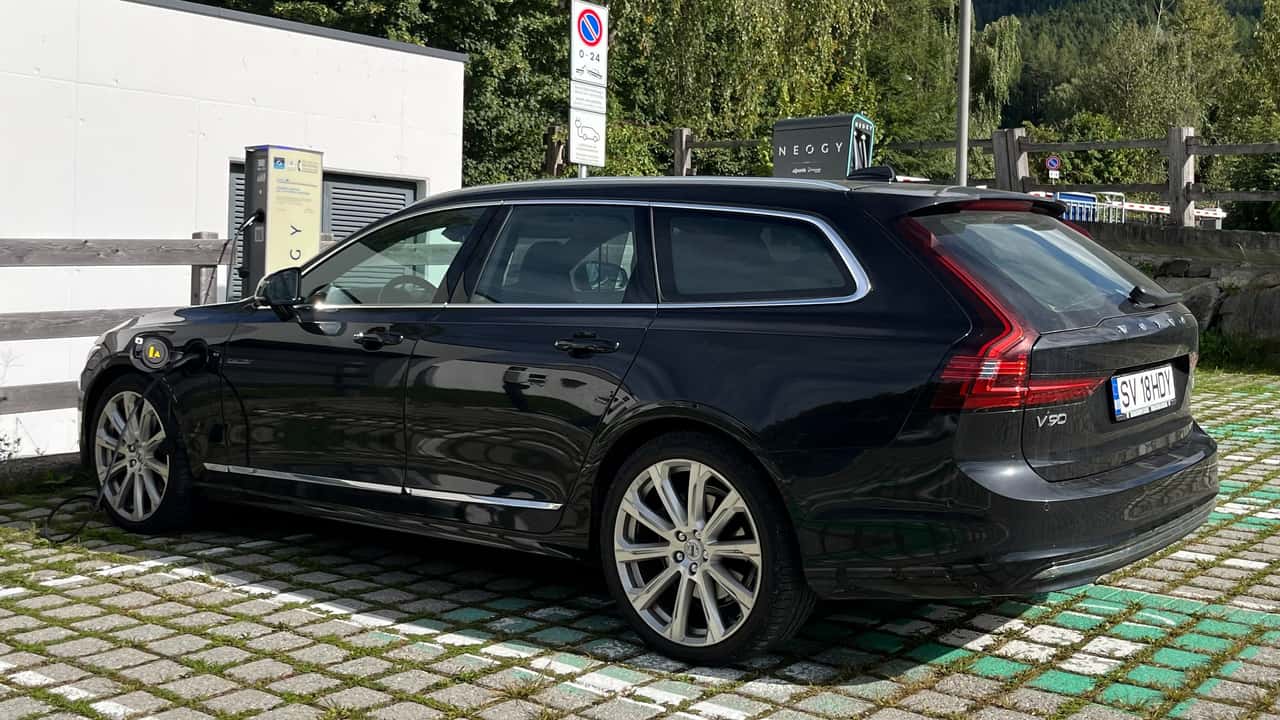
A Volvo wagon owner discovered that adjusted driving habits pushed their plug-in hybrid's fuel economy to 50 mpg, demonstrating how operating strategy shapes real-world efficiency in PHEV models. The driver modified their approach to battery depletion and engine engagement patterns, proving that driver behavior plays an outsized role in plug-in hybrid performance.
Plug-in hybrids occupy a unique segment where fuel consumption depends heavily on how owners use the electric motor versus the combustion engine. Many drivers fail to optimize their charging and driving patterns, leaving efficiency gains on the table. This Volvo owner's achievement underscores what manufacturers already know: PHEVs demand more driver engagement than traditional hybrids or pure EVs to reach their promised fuel economy numbers.
The 50 mpg figure reflects real-world driving rather than EPA testing, where PHEVs often underperform in customer hands. Owners who charge frequently, avoid excessive highway speeds, and time acceleration carefully see dramatically different results than those who treat their plug-in hybrid like a conventional car. Volvo's wagon platform, combined with intelligent driving strategy, delivered numbers typically reserved for smaller, lighter sedans.
This matters because the PHEV market remains price-sensitive. Buyers invest in plug-in technology partly for fuel savings, yet many never unlock the efficiency these vehicles promise. The disconnect between EPA ratings and real-world performance has frustrated consumers and complicated the case for plug-in hybrids against pure EVs, where range and efficiency feel more predictable.
Volvo's hybrid wagon lineup, which includes models like the XC60 and XC90 in plug-in form, attracts buyers seeking efficiency without full EV commitment. The performance ceiling the owner reached suggests Volvo's engineering delivers when drivers optimize their approach. As automakers refine their plug-in offerings and consumers grow more savvy