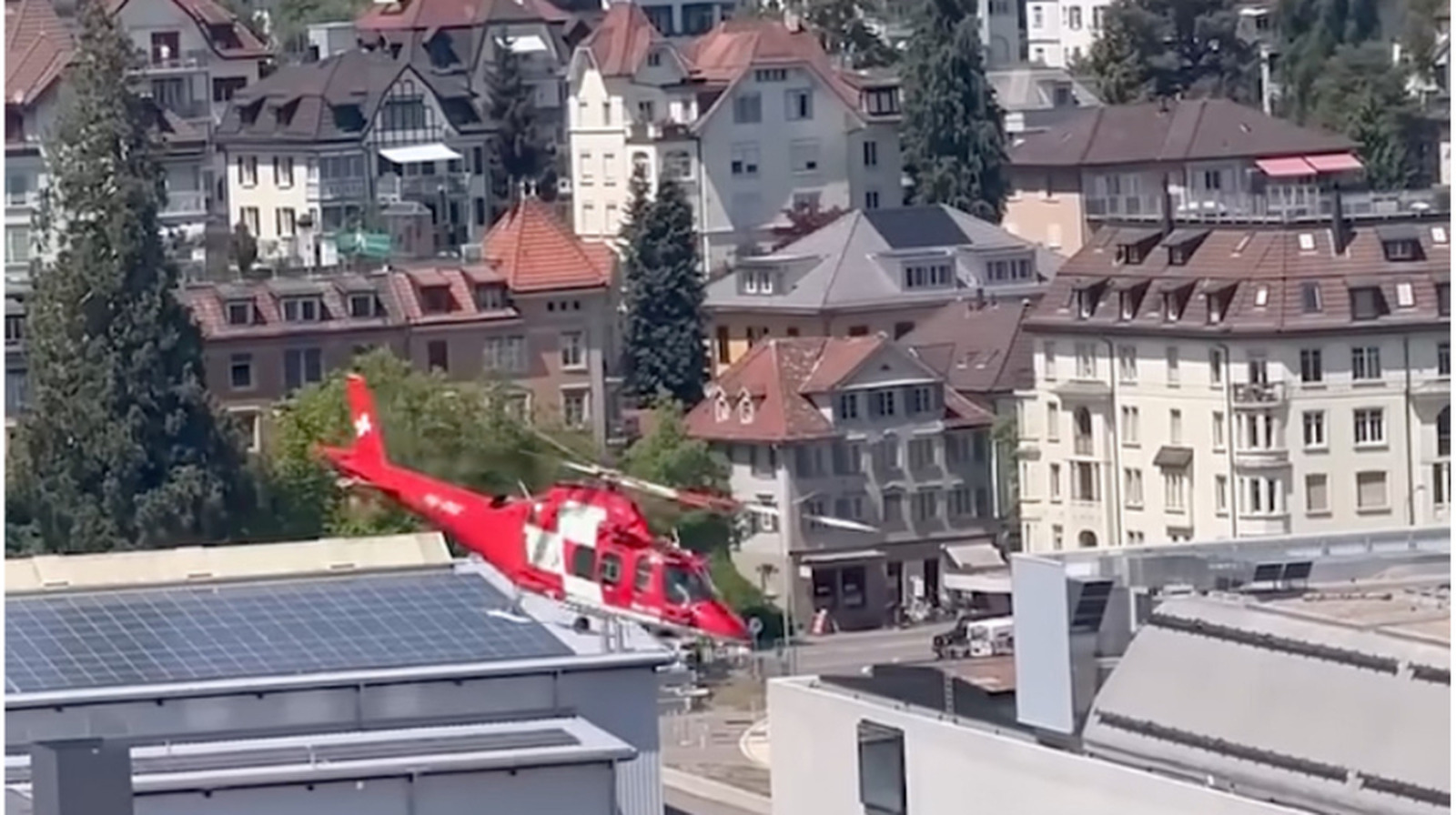
A helicopter pilot has gone viral by executing what amounts to a sustained drift maneuver in a rotorcraft, settling an argument that probably shouldn't have existed in the first place. The video shows the pilot maintaining a controlled slide while the helicopter remains airborne, defying the conventional wisdom that drift techniques belong exclusively to wheeled vehicles.
The stunt illustrates a fundamental principle: drift mechanics depend on momentum and control inputs, not the number of wheels touching pavement. A helicopter pilot can induce yaw by applying lateral cyclic control and tail rotor adjustments, creating the same visual effect as a car sliding through a corner. The helicopter maintains forward airspeed while the nose points in a different direction than the actual direction of travel. This is textbook drift behavior, just happening three dimensions up.
The viral moment reflects a growing trend of automotive and aerospace enthusiasts cross-pollinating ideas. Car culture concepts like drifting have existed for decades in motorsport and street racing contexts. The helicopter community operates under different rules and safety constraints, yet the underlying physics translates.
This stunt carries inherent risks that ground-based drifting doesn't. A helicopter pilot executing this maneuver operates with zero margin for error. Loss of control authority, engine failure, or miscalculated inputs create immediate catastrophic consequences. The pilot demonstrated serious skill and aircraft knowledge to pull this off safely.
The video's viral success highlights how audiences respond to rule-breaking and cross-disciplinary skill. People enjoy watching someone master a machine in unexpected ways. Whether you classify this as a "true" drift or not becomes irrelevant once you see the evidence. The helicopter drifts. Physics doesn't care about semantics.