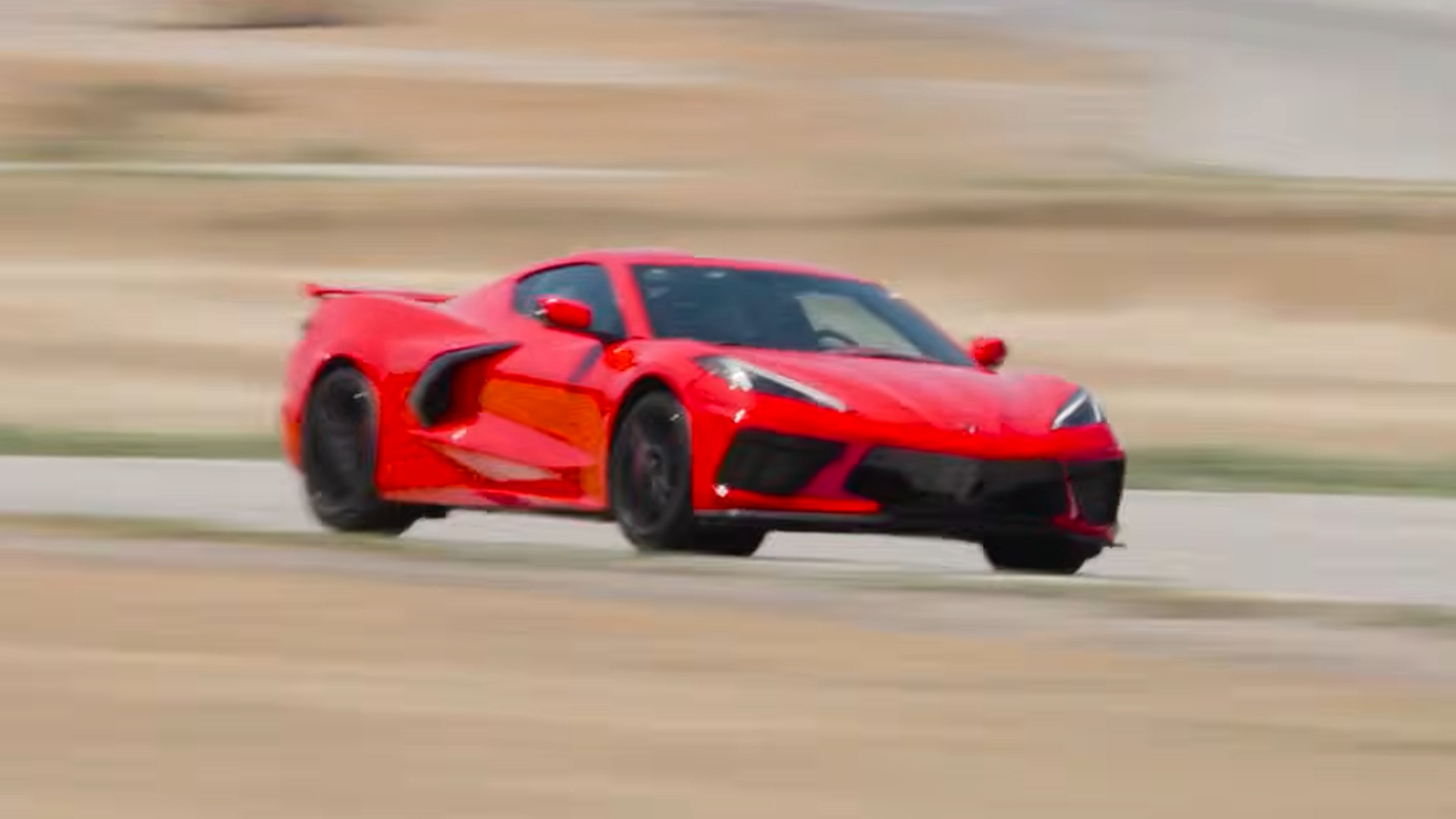
Modern traction control systems have evolved enough that professional drivers now recommend leaving them engaged on track. The counterintuitive advice challenges the old racing orthodoxy that demanded shutting off all driver aids for maximum performance.
Today's traction control algorithms work faster than human reflexes. They detect wheel slip in milliseconds and apply corrective braking or engine throttle cuts with precision a driver cannot match. On a road course, this means maintaining grip through corners without the dramatic slides that cost momentum. The system prevents the tire lockup and understeer that plague drivers trying to manage wheel spin manually.
Professional drivers report cleaner apexes and faster exit speeds when traction control stays active. The technology doesn't prevent aggressive driving. Instead, it operates at the threshold where tires still deliver maximum grip while preventing the loss of control that forces drivers to lift off the throttle and brake harder.
The improvement depends on track conditions and tire temperature. On a dry track with warm slicks, the gains shrink. Cold or wet conditions amplify the advantage. Traction control becomes nearly essential when margins are thin.
This shift reflects how far automotive electronics have come. Early traction control systems were blunt instruments that killed engine power abruptly and felt intrusive. Modern systems integrate with ABS, stability control, and brake management to operate seamlessly. They learn driving patterns and adjust response times accordingly.
Turning off traction control made sense when systems were primitive and slow. Drivers could control tire slip better themselves. Today's silicon outpaces human reactions. The fastest lap comes from trusting the machine to manage the physics while you focus on line and commitment.
The practical takeaway: leave it on unless you're chasing a specific setup goal. Even amateur track drivers see measurable improvement. The old advice needs updating.