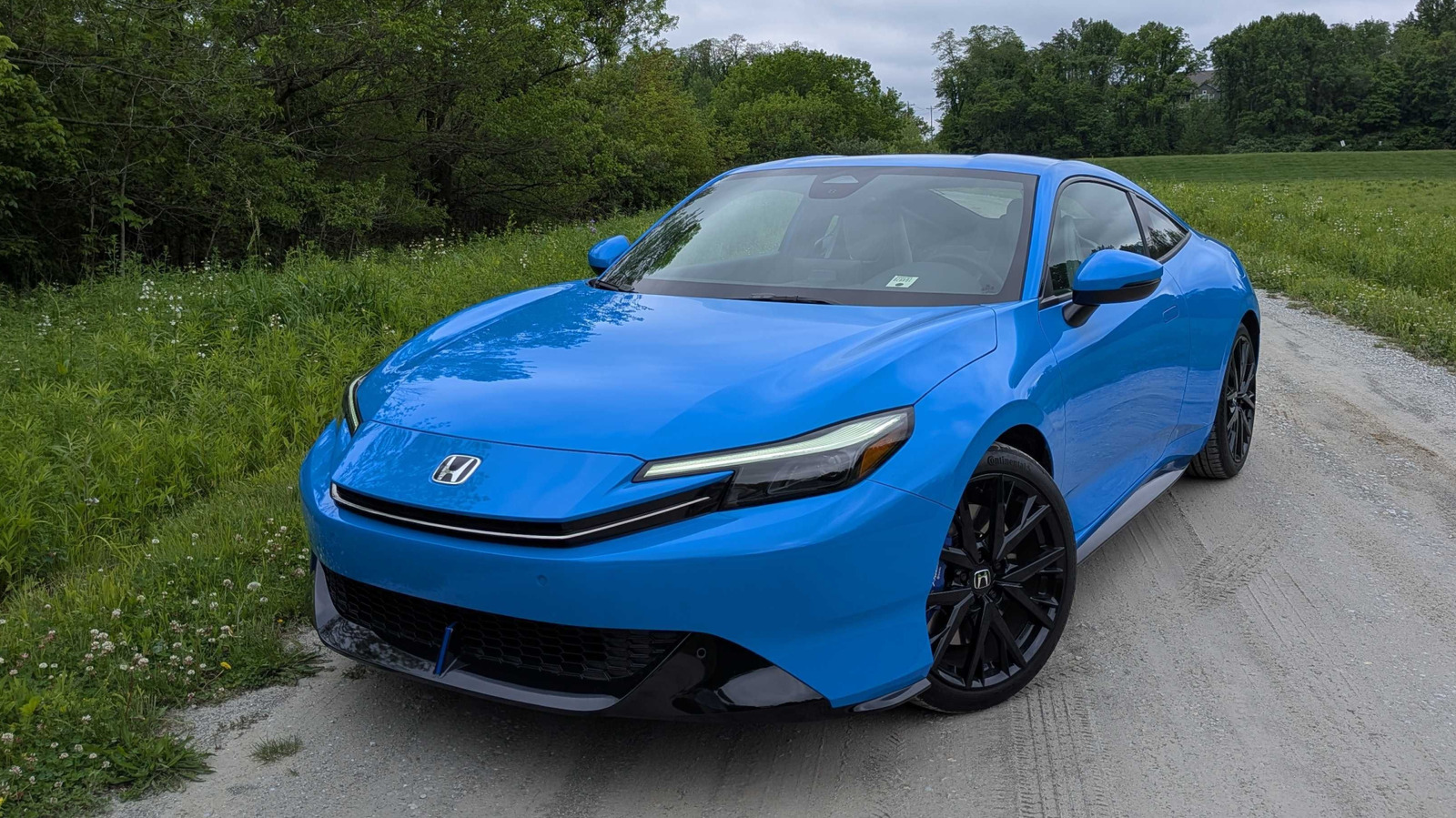
Honda revives the Prelude nameplate for 2026, and the brand makes no apologies about what this car actually is: a stylish, fun-to-drive coupe built for drivers who prioritize feel over raw performance metrics.
The new Prelude targets a specific audience. It's not a track-focused sports car competing on horsepower numbers. It's not trying to outrun rivals on spec sheets. Instead, Honda engineered this car around the driving experience, focusing on chassis balance, steering feedback, and overall connection between driver and machine.
This philosophy represents a refreshing counterpoint to the current automotive landscape, where manufacturers obsess over 0-60 times and peak horsepower figures. The 2026 Prelude asks a simple question: what if a car prioritized how it feels to operate rather than how impressive it looks on a data sheet?
The revival itself signals Honda's confidence in the coupe market segment, which has contracted dramatically over the past decade. Most manufacturers abandoned two-door platforms in favor of SUVs and crossovers. Honda's willingness to bring back the Prelude name demonstrates faith that enthusiasts still value driver-focused machines over trend-chasing design.
Pricing and final specifications remain fluid, but expectations point toward a sub-$30,000 entry point with modest power outputs. The target buyer isn't concerned with bragging rights at car meets or Instagram clout. They're the driver who values a responsive chassis, direct steering, and mechanical engagement on back roads over a 0-60 time that photographs well.
This approach defines a generational divide in automotive preferences. Younger buyers increasingly prioritize pure numbers and digital features. Drivers with real-world experience recognize that a slower car with excellent dynamics often delivers more enjoyment than a quick car with numb inputs.
The 2026 Prelude won't dom