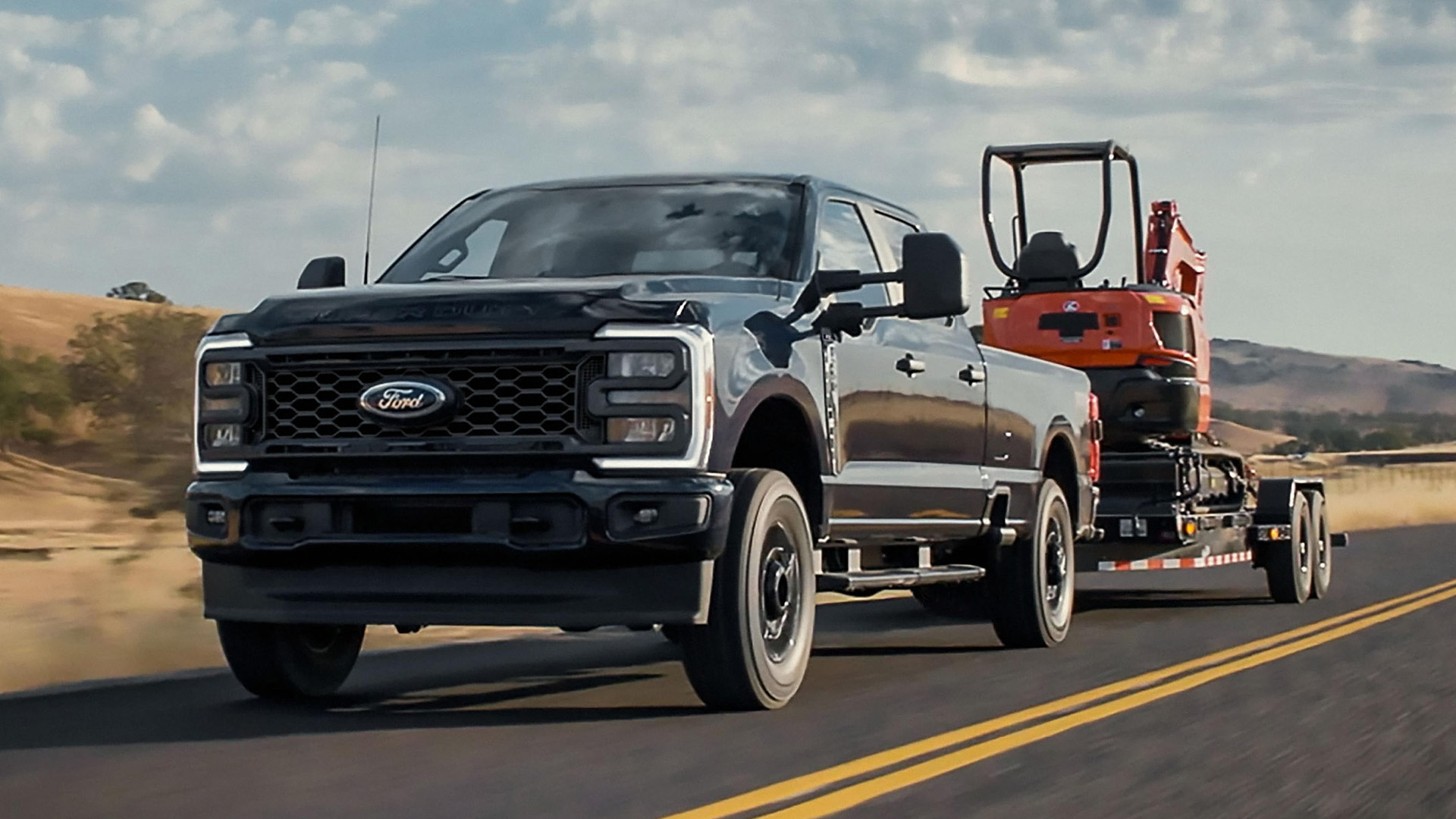
The Insurance Institute for Highway Safety (IIHS) has begun testing heavy-duty pickup trucks for the first time, filling a long-standing gap in vehicle safety evaluation. The Ford Super Duty and Ram Heavy Duty were among the first commercial vehicles subjected to IIHS crash testing protocols.
Heavy-duty trucks have historically escaped formal safety scrutiny from the IIHS and NHTSA because they fall into a different regulatory category than consumer vehicles. These trucks operate under commercial classification standards, allowing manufacturers to avoid the rigorous crash testing that sedans and light trucks endure. This regulatory blind spot meant that owners of vehicles like the F-250, F-350, and Ram 2500/3500 had no independent safety ratings to guide purchasing decisions.
The initial results proved better than anticipated. Neither the Super Duty nor Ram HD performed catastrophically in IIHS evaluations, though specific ratings remain unreleased. This outcome matters because heavy-duty pickups have become increasingly popular among individual buyers, not just commercial fleets. The trucks now sell in enormous volumes to consumers who use them as daily drivers despite their commercial roots.
The absence of safety testing created a peculiar market dynamic. Manufacturers could equip heavy-duty trucks with older safety technology without penalty since no independent ratings existed. Features like automatic emergency braking, blind-spot monitoring, and collision avoidance systems appeared on these vehicles far later than on lighter trucks and SUVs. Consumers simply had no way to compare safety performance between competing models.
The IIHS testing initiative addresses this directly. By subjecting heavy-duty trucks to the same crash protocols used for other vehicles, the institute provides transparency that consumers deserve. The Super Duty and Ram HD's respectable showing in preliminary testing suggests manufacturers have built these vehicles to handle impacts reasonably well, despite their size and weight differences from standard passenger vehicles.
This testing expansion