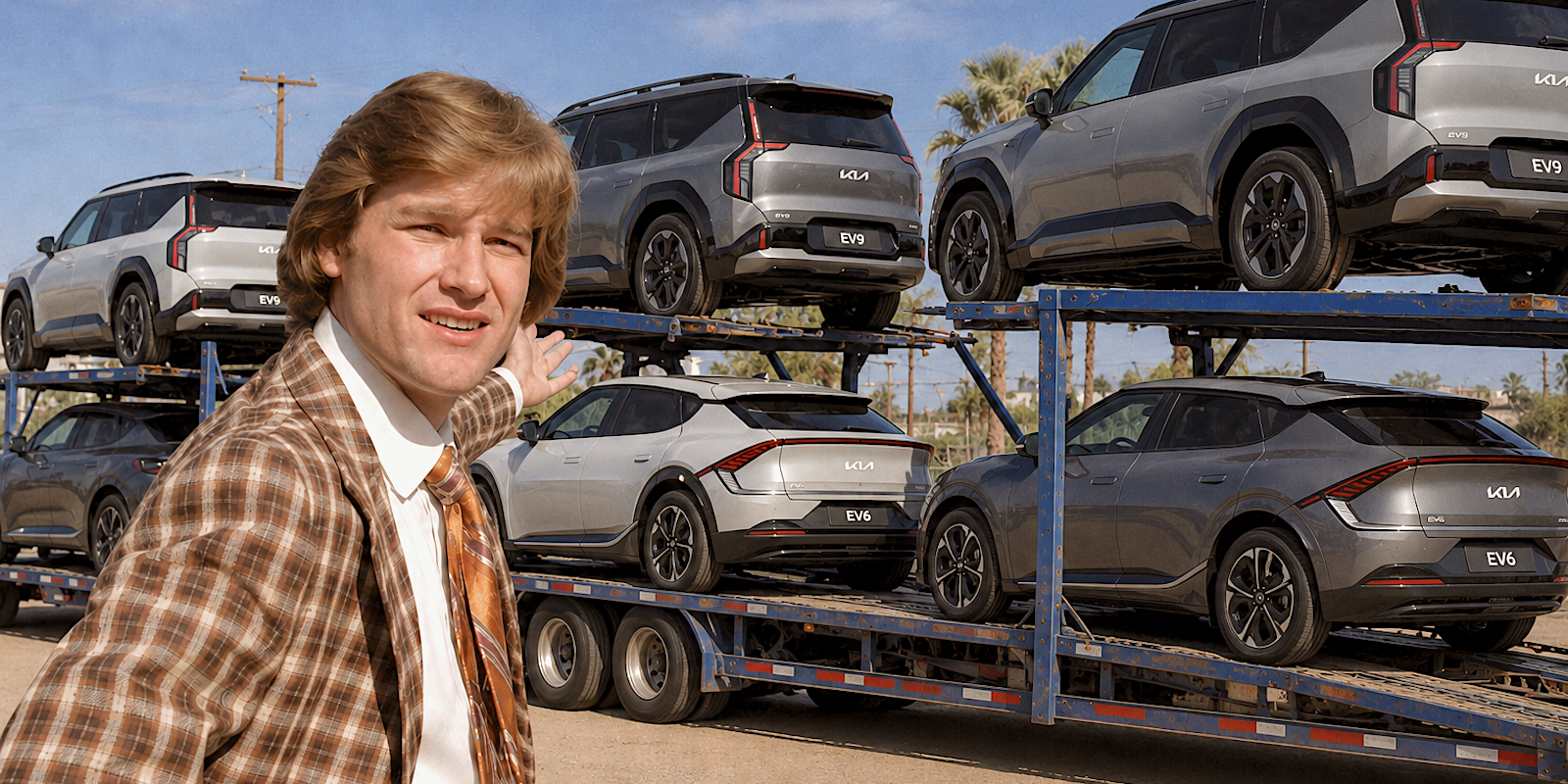
Negative equity on a gas-powered vehicle remains the primary barrier keeping buyers stuck on the sidelines of the EV transition. Many drivers owe more on their current car than it's worth, making a switch to electric prohibitively expensive without addressing that gap first.
Several EV manufacturers now offer aggressive incentive packages designed specifically to overcome this hurdle. These deals function as cash rebates applied directly to the purchase, effectively reducing the real cost of going electric and bridging the financial gap for upside-down owners.
The strategy targets a real market pain point. Trade-in values on combustion vehicles remain depressed as the industry shifts toward electrification, while EV inventory has normalized after years of supply constraints. Dealers and manufacturers benefit from moving both the old vehicle and a new EV off the lot simultaneously.
Buyers wrestling with this problem should evaluate offers from Chevrolet, Tesla, Ford, Hyundai, and Kia, which have all deployed substantial incentive programs on their EV lineups. The Chevrolet Equinox EV, starting around 35,000 dollars, pairs affordability with substantial rebate eligibility. Ford's Mustang Mach-E offers similar packages. Tesla has periodically deployed price cuts and incentive structures to clear inventory.
The math works like this: If you owe 28,000 dollars on a vehicle worth 22,000 dollars, you're 6,000 dollars underwater. A 7,500-dollar federal tax credit combined with manufacturer incentives of 3,000 to 5,000 dollars can cover that gap entirely, making the transition feasible.
Dealerships increasingly understand that negative equity represents genuine barrier rather than dealer resistance. Forward-thinking shops actively help customers navigate this transition because the alternative is losing them to competitors willing to absorb the equity gap.
This approach