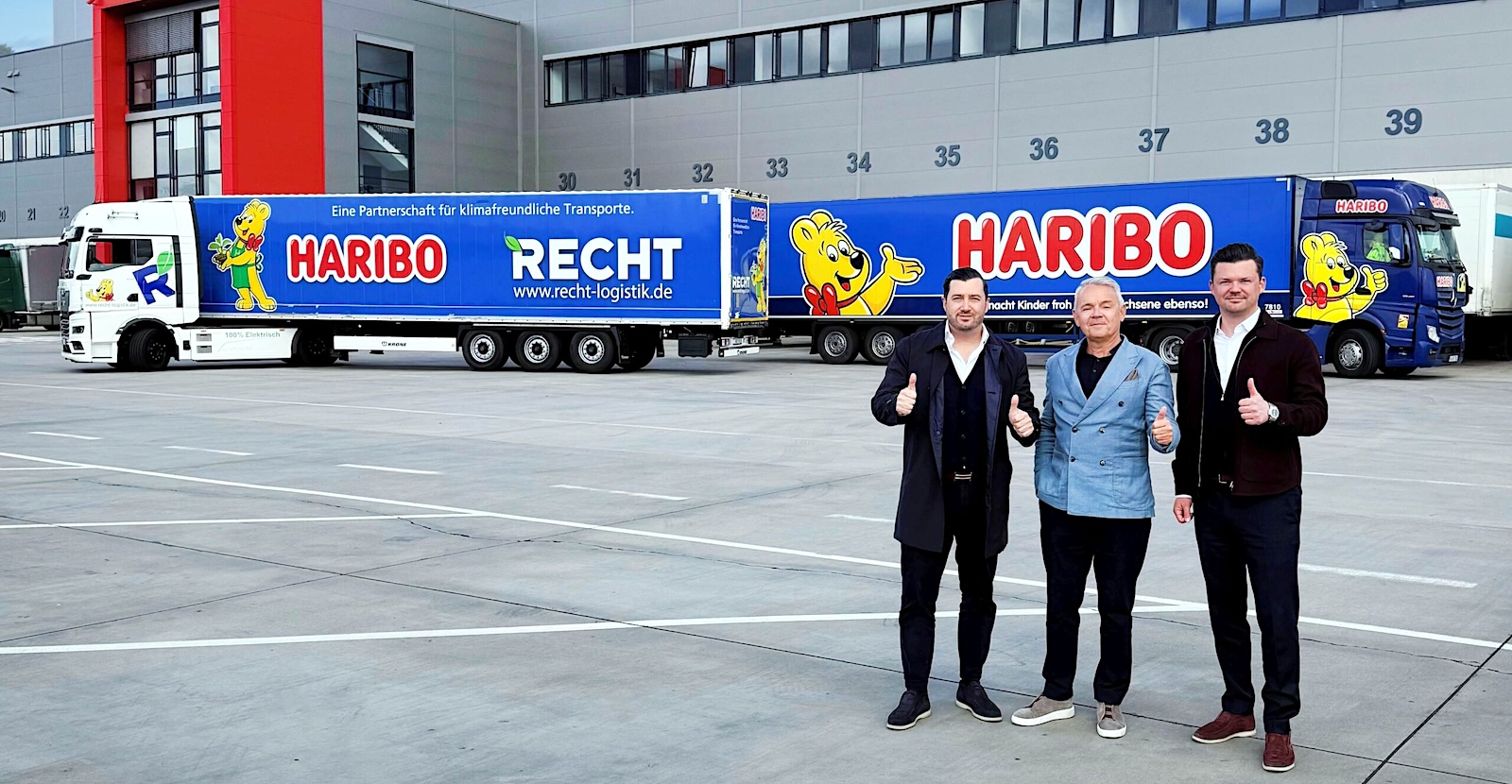
HARIBO and logistics partner Recht Logistik are deploying electric semi trucks across European operations to eliminate emissions from candy deliveries. The move marks a notable shift in last-mile logistics for a global consumer brand, where heavy-duty trucking remains one of the most stubborn sources of carbon output.
The partnership targets HARIBO's distribution network, replacing diesel rigs with battery-powered heavy trucks. This transition reflects broader pressure on food and beverage manufacturers to decarbonize supply chains. Consumer goods companies face mounting pressure from retailers and regulatory bodies to prove environmental credentials, particularly in Europe where carbon pricing and emissions regulations grow stricter each year.
Electric semi trucks from manufacturers like Volvo, Mercedes, and Scania have matured enough for commercial deployment on regular routes. These vehicles now offer sufficient range and payload capacity for regional distribution, though long-haul trucking remains more challenging. HARIBO's European footprint makes it an ideal test case. The continent hosts dense distribution networks where daily mileage fits within current battery ranges, typically 200 to 400 kilometers per charge.
Recht Logistik handles transport for multiple consumer brands, so its investment in electric infrastructure benefits multiple clients. Charging stations and depot facilities represent the largest capital requirement for fleet electrification. Logistics companies increasingly absorb these costs knowing that major customers demand zero-emission delivery options.
HARIBO joins competitors like Nestlé and Mondelēz in committing to electric freight. Food manufacturers rely on refrigerated transport and regular scheduled pickups, making them prime candidates for predictable electric routes. The shift also offers a marketing angle. HARIBO can promote emissions-free gummy production to environmentally conscious consumers, particularly in Germany and Scandinavia where green logistics messaging resonates.
Challenges persist. Electric trucks cost more upfront than diesel alternatives, charging infrastructure remains uneven