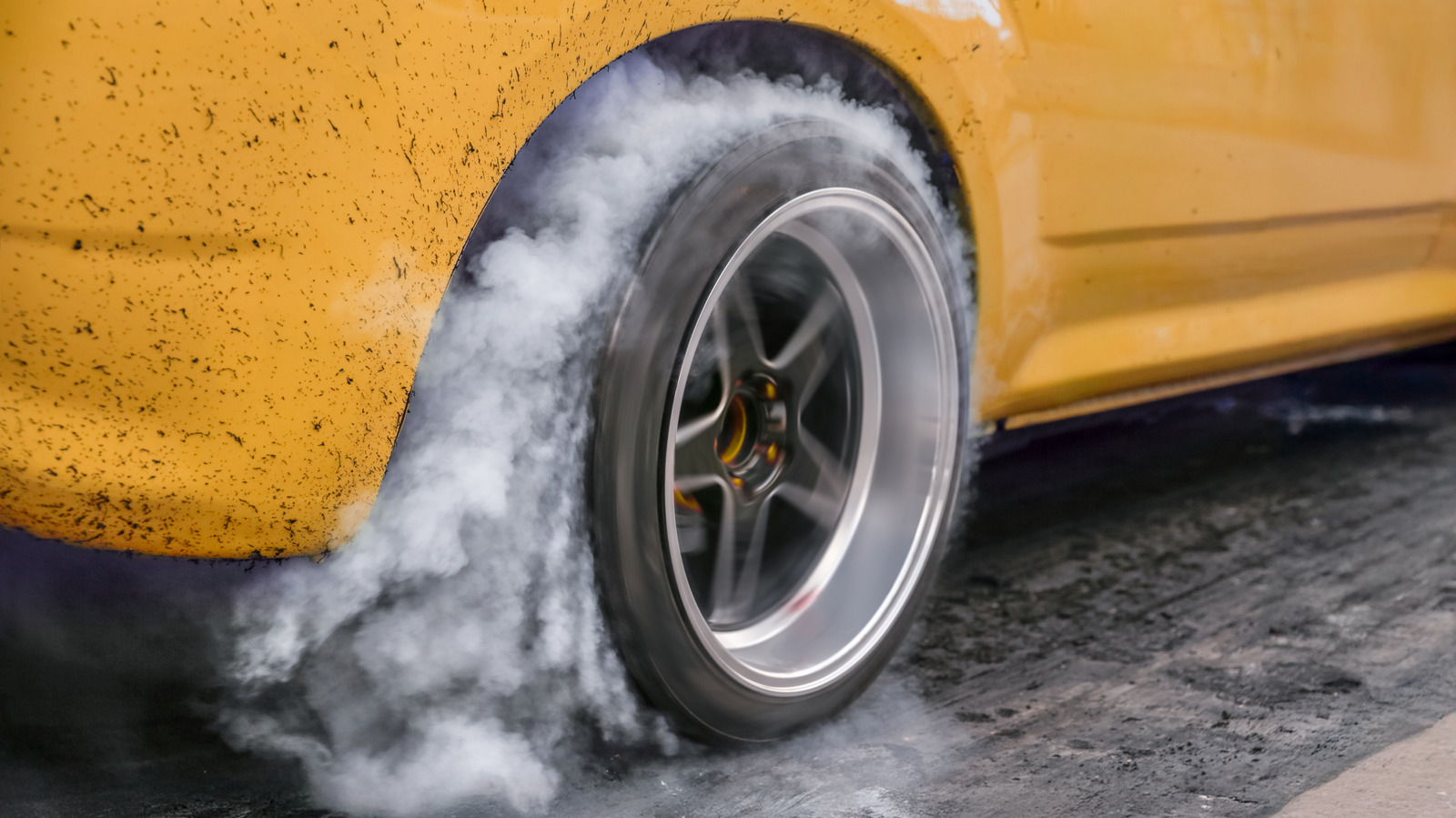
Drag racing has long been dominated by automatic transmissions, but a growing contingent of manual transmission drivers now runs in the sixes, matching or beating their automatic counterparts. This shift challenges the conventional wisdom that automatics hold an insurmountable advantage in quarter-mile acceleration.
The key to manual transmission success lies in clutch technology. Modern drag racing clutches operate differently than street versions. Purpose-built clutches engage with explosive force, allowing drivers to launch with minimal wheel spin and maximum power transfer. These components can slip just enough during initial acceleration to control tire grip, then lock fully once the vehicle gains momentum. This precision engagement mimics what automatic transmissions do automatically, but requires flawless driver execution.
Driver skill remains paramount. Manual transmission pilots must nail the launch window perfectly. The wrong pedal timing or clutch modulation results in either bogged-down launch or loss of traction. Top drivers execute this repeatedly in six-second passes, where tenths of a second mean the difference between winning and losing.
The resurgence of competitive manual drag cars reflects broader automotive trends. Enthusiasts value the engagement and connection manual transmissions provide, and the drag racing community has validated that skilled operators can overcome the transmission format's traditional limitations. High-revving engines paired with sophisticated clutch systems make manual launches remarkably consistent.
Automation still dominates professional drag racing at the highest levels, where computers manage shift points and launch control with inhuman precision. But for bracket racing and semi-professional competition, manuals now prove viable. This democratizes the sport and appeals to drivers who prefer mechanical feel over electronic intermediaries.
The manual transmission's resurgence in drag racing demonstrates that technology alone doesn't determine performance. Driver talent, mechanical tuning, and the right component selection can bridge gaps that seemed insurmountable a decade ago. The sixes are no longer exclusive territory.