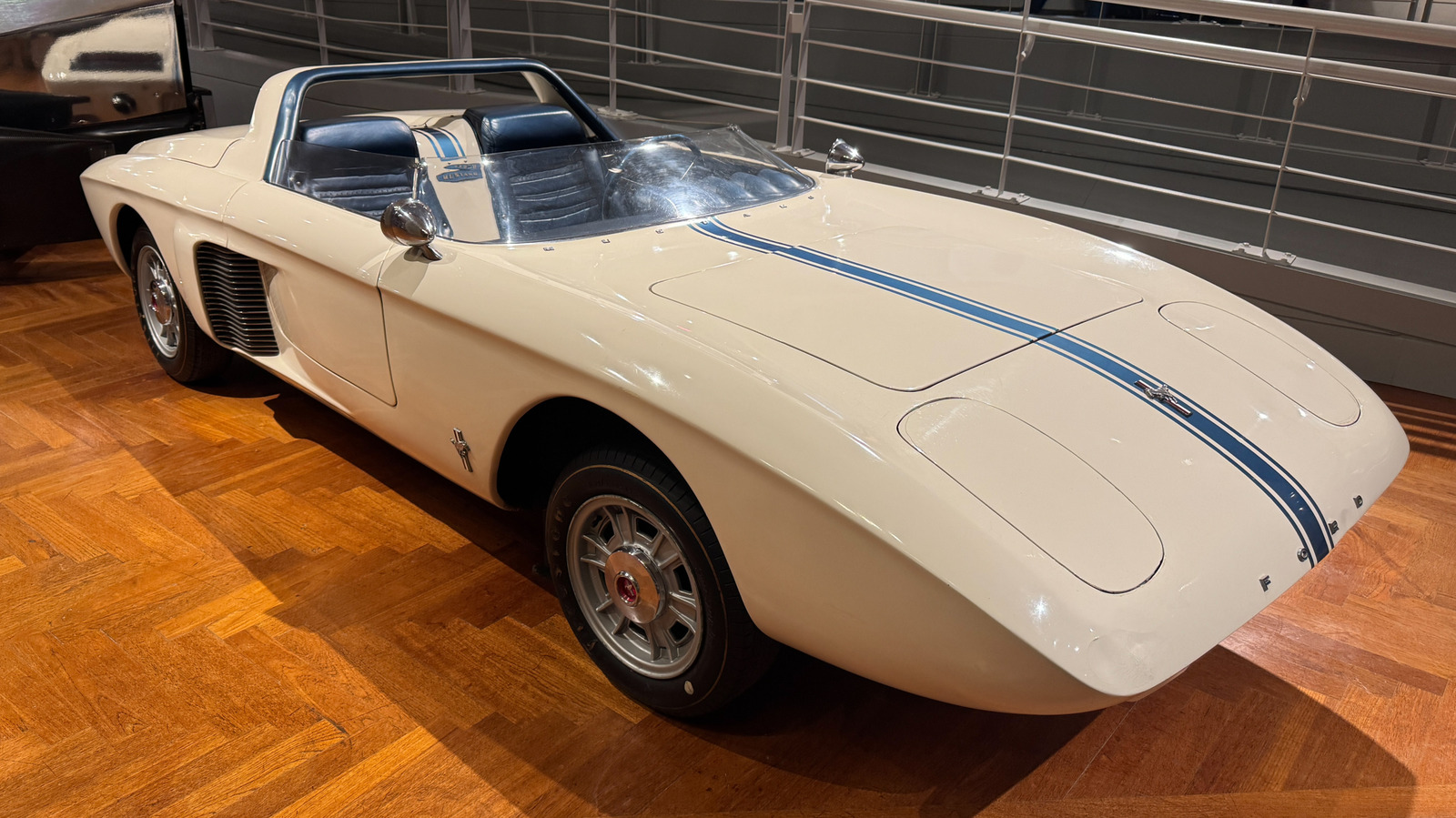
Ford shelved one of its most intriguing design concepts: a mid-engine Mustang. Reviving this idea could solve a real problem in the automaker's current lineup.
Today's Mustang sits heavy. The S650 generation weighs north of 3,800 pounds even in base form. It drinks fuel like a truck. Performance models push toward 4,000 pounds. Meanwhile, competitors like the Chevrolet Camaro have disappeared. Dodge kills the Challenger and Charger next year. The affordable, lightweight sports car segment has collapsed.
Ford's forgotten mid-engine Mustang concept addressed this gap directly. A mid-mounted engine would distribute weight evenly, improve handling balance, and allow engineers to cut overall mass. Lightweight construction and a smaller displacement engine could deliver genuine performance without the thirst of today's V8 models.
The business case works. Buyers still crave affordable thrills. The Miata sells steadily. Even the new Chevrolet Corvette, while pricey, proves mid-engine layouts excite enthusiasts. A Mustang built on that architecture, priced under $40,000, would own a void in Ford's portfolio.
Current constraints hold Ford back. The company bet heavily on electrification and SUVs. Developing a new lightweight sports platform requires capital. Supply chains favor larger vehicles with fatter margins. But these excuses miss a strategic reality: brand relevance demands breadth.
The Mustang nameplate carries emotional weight. Tying it to a modern, efficient, affordable sports car would remind buyers why they loved the nameplate in the first place. Not everyone wants a 5,000-pound SUV. Some want speed, simplicity, and a price tag that doesn't require financing approval from three banks.
Ford designed the mid-engine concept for good