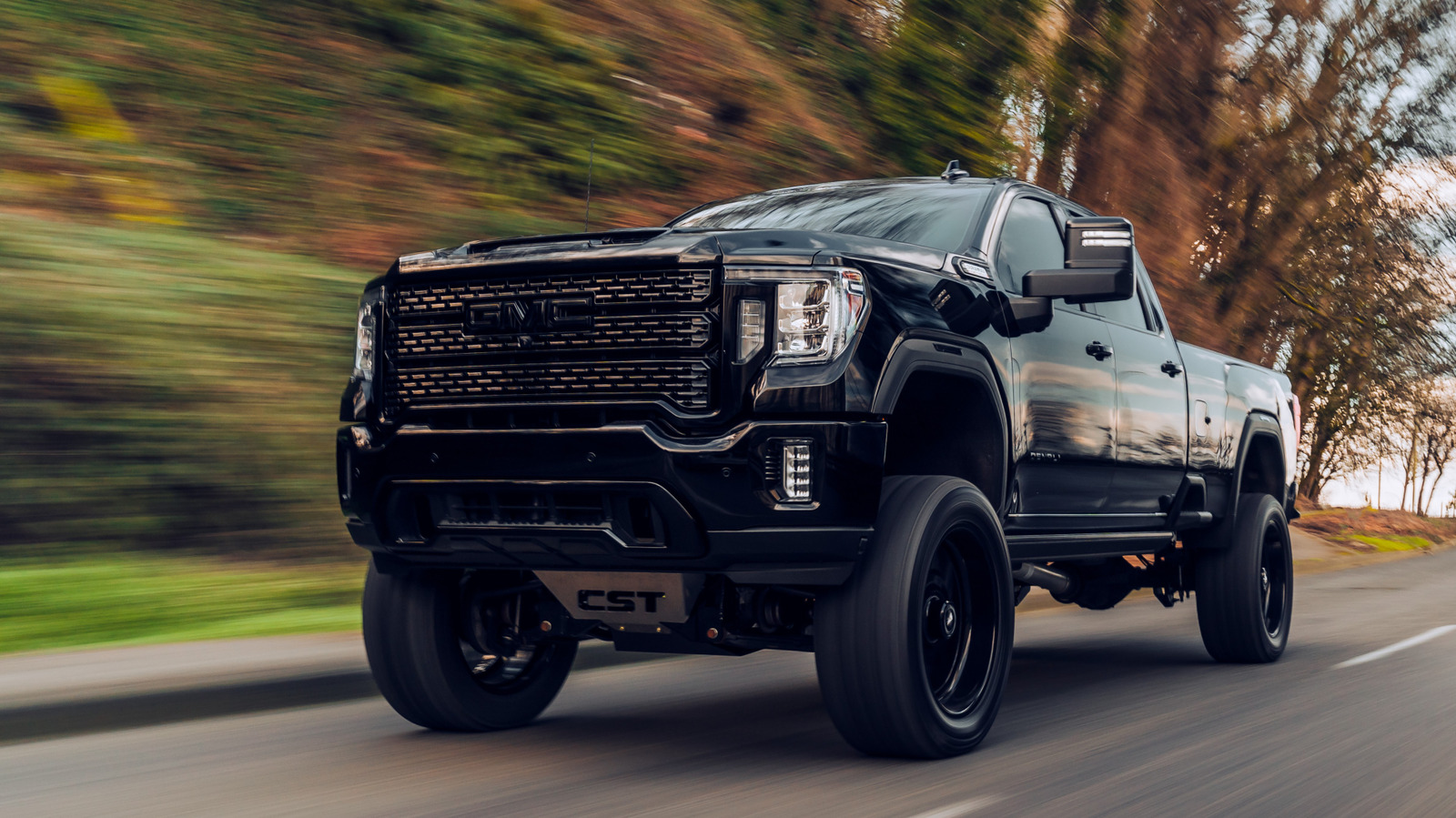
Diesel engines consistently outlive their gasoline counterparts, and the reason boils down to one critical factor: compression ratio and fuel properties. Diesel fuel contains more energy per gallon than gasoline, and diesel engines operate at significantly higher compression ratios, often between 14:1 and 25:1 compared to gasoline engines at 8:1 to 12:1. This higher compression generates more power from less fuel consumption, reducing overall stress on engine components.
The combustion characteristics of diesel fuel also matter. Diesel ignites through compression rather than spark plugs, creating a slower, more controlled burn that distributes stress more evenly across pistons and cylinder walls. Gasoline's rapid, explosive combustion places sharper loads on engine internals, accelerating wear. Additionally, diesel fuel's superior lubricity protects injectors and fuel pumps better than gasoline, reducing friction and component degradation.
Diesel engines typically feature heavier-duty construction throughout. Block walls run thicker, bearings larger, and overall tolerances stricter. Manufacturers engineer diesel powerplants for extended service intervals and higher compression pressures, meaning every component handles stress better from day one.
Real-world durability numbers support this. A well-maintained diesel engine regularly exceeds 200,000 miles, with many reaching 300,000 or beyond. Comparable gasoline engines often show significant wear at 150,000 miles. Pickup trucks like the Ford F-250 Super Duty with the 6.7-liter Power Stroke diesel and the Ram 2500 with the 6.7-liter Cummins routinely accumulate substantial mileage on original powerplants when owners follow service schedules.
The tradeoff exists. Diesel engines cost more upfront, require specialized maintenance, and produce higher nitrogen oxide emissions in some