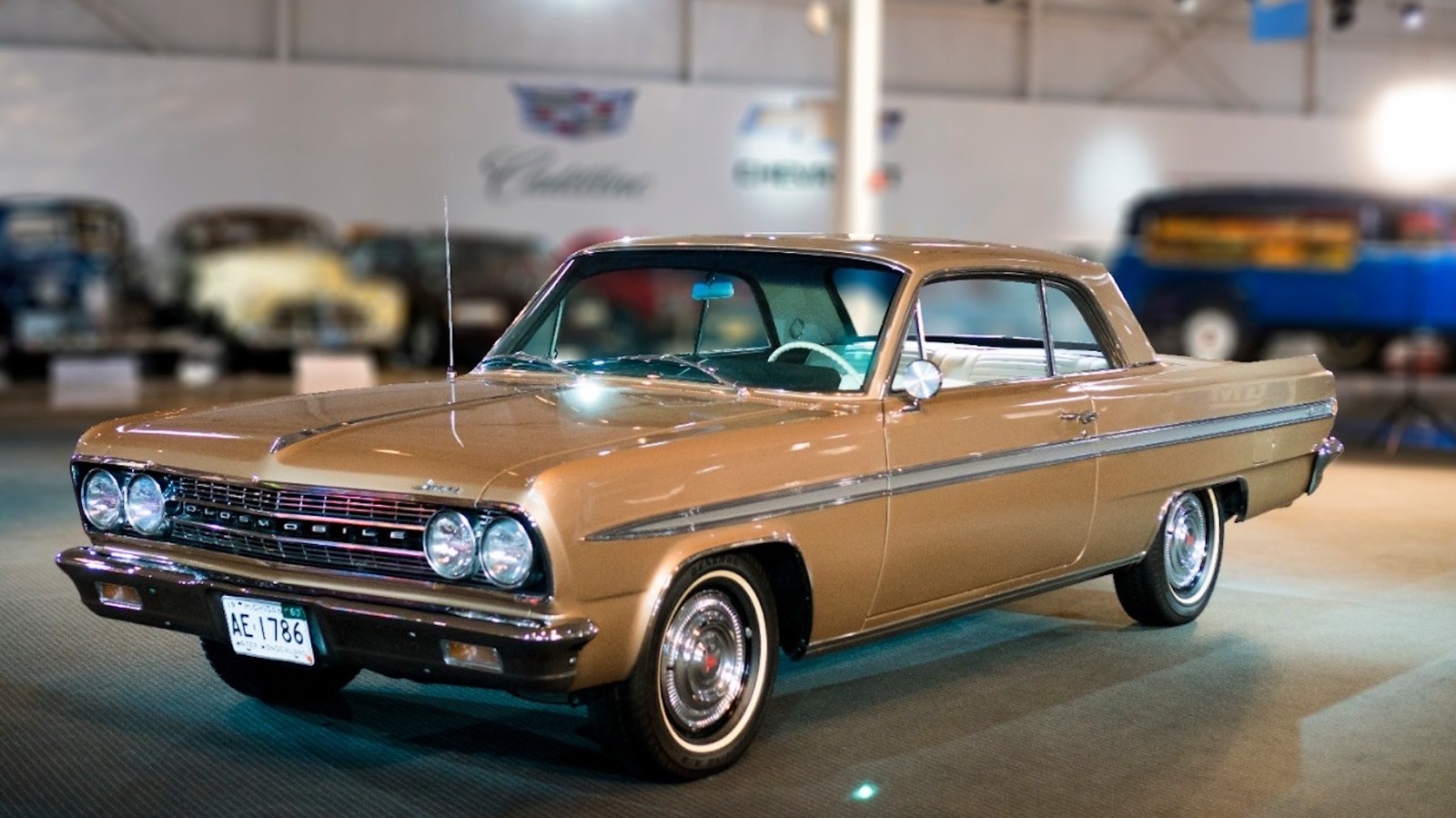
General Motors' 1962 Oldsmobile Jetfire represents one of the automotive industry's earliest and most ambitious turbocharged engines, but its technical ambition exceeded the manufacturer's production capacity. The 215-cubic-inch aluminum V8 paired with a turbocharger made it one of the first turbocharged production vehicles ever built, a genuine engineering achievement that put Oldsmobile on the map alongside Chevrolet's more famous performance initiatives.
The problem was execution. GM's fabrication infrastructure in the early 1960s simply wasn't equipped to handle the precision required for turbocharger assembly and the extreme stresses turbocharged combustion placed on engine internals. The Jetfire's aluminum block, while lightweight and innovative, proved fragile under boost pressure. Reliability issues plagued owners immediately. Turbo lag made the driving experience unpredictable. Detonation damaged engines prematurely. The cars required constant maintenance and dealer intervention.
Market response reflected these realities. Customers seeking performance looked elsewhere. Oldsmobile couldn't justify continued development when warranty claims mounted and reputation suffered. The Jetfire lasted only two model years before Oldsmobile pulled the plug, replacing it with conventional naturally-aspirated powerplants.
The Jetfire's failure teaches a lesson Detroit would revisit repeatedly: innovation without manufacturing readiness destroys brands faster than conservative engineering ever could. Buick and Pontiac learned this when their turbo experiments followed similar paths. It wasn't until the 1980s that Japanese manufacturers like Toyota and Nissan proved turbocharging could be done reliably at scale, using better metallurgy, tighter tolerances, and more conservative boost levels.
The Jetfire remains historically important. Oldsmobile gambled on future technology before the industry matured enough to support it. That boldness failed commercially but