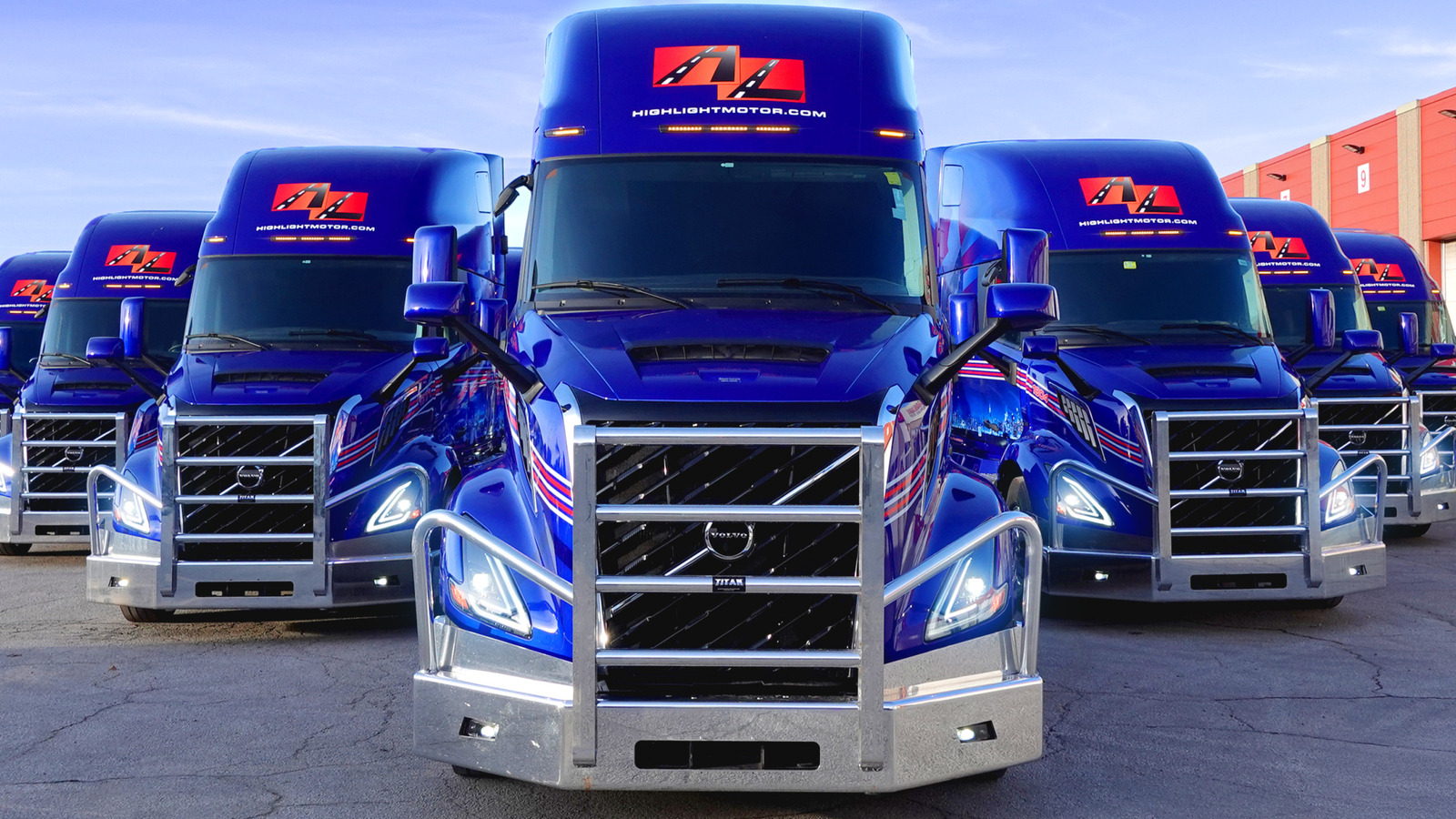
Volvo's I-See system turns semi trucks into learning machines. The technology maps terrain ahead using GPS and vehicle data, then automatically adjusts engine output, transmission settings, and braking regeneration before the truck crests hills or descends valleys. The result cuts fuel consumption by up to 5 percent on familiar routes.
Heavy-duty trucking margins live and die on fuel efficiency. A 5 percent reduction translates directly to thousands of dollars saved annually per vehicle across a fleet. That explains why Volvo invested in this connected approach rather than relying on driver behavior alone.
The system works by creating digital elevation profiles of frequently traveled routes. Once I-See learns the terrain, it pre-positions the truck's powertrain for optimal efficiency. Approaching a hill, the engine reduces rpm and the transmission adjusts gear selection before the incline demands it. Going downhill, the truck maximizes regenerative braking to recapture energy that competitors waste through friction brakes.
This is not autonomous driving. Drivers retain full control. I-See simply handles the predictable physics of terrain, freeing the engine management system to prioritize efficiency over reactive adjustments. On flat highways, the benefit shrinks. In mountainous regions, savings accumulate fast.
Volvo faces competition from Daimler's Freightliner and Paccar's Peterbilt and Kenworth, all pursuing connected truck technology. However, I-See's elevation mapping approach directly targets a pain point fleets understand viscerally. Every gallon burned on climbing unnecessary revs is money gone.
Integration with Volvo's existing telematics network and predictive maintenance systems strengthens the pitch. Fleet managers already use these platforms to monitor driver behavior and vehicle health. Adding efficiency optimization requires minimal new infrastructure.
The technology assumes consistent routes and regular data uploads. Regional carriers and dedicated lanes benefit most.