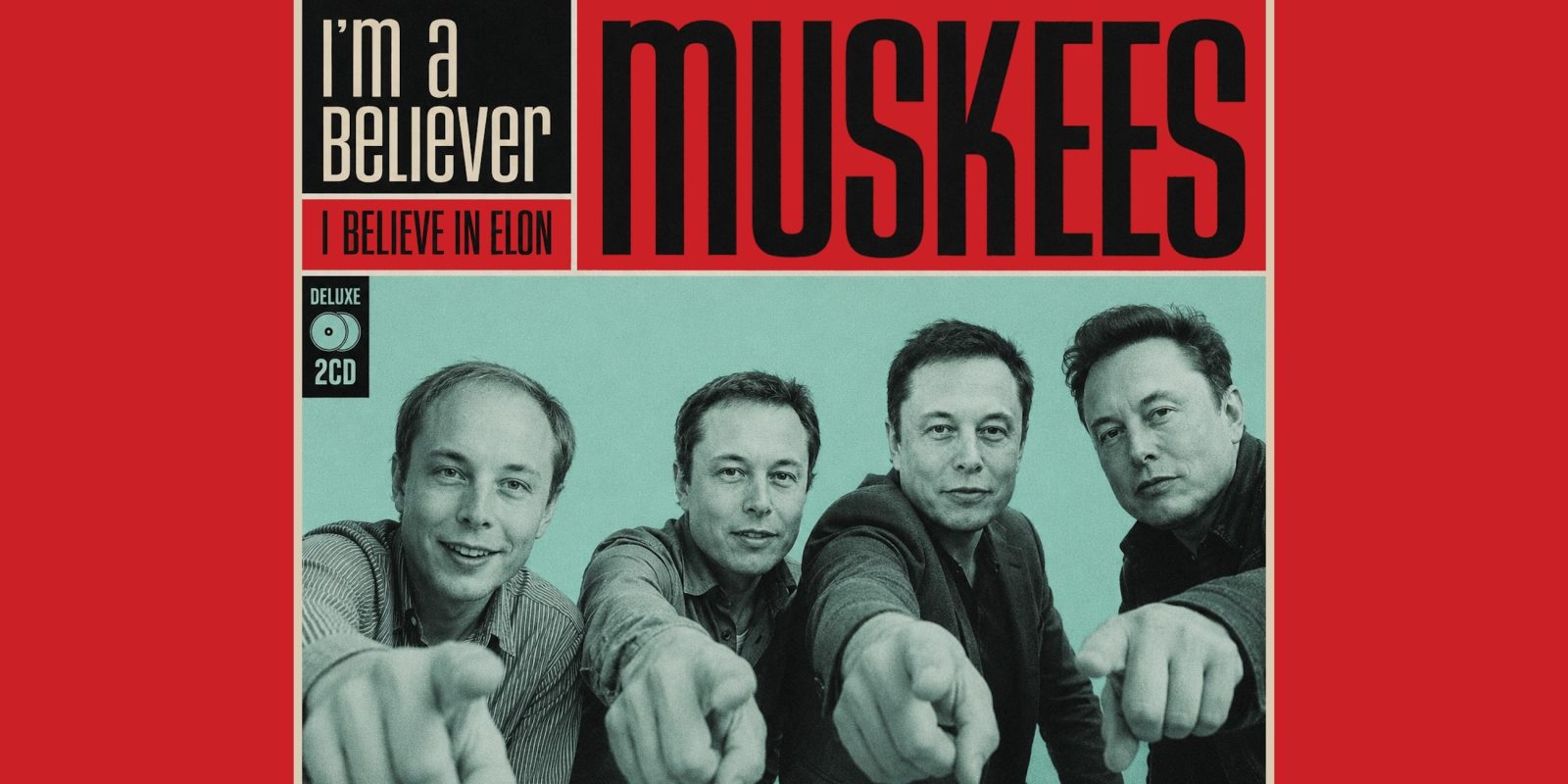
Electrek polled over 3,000 readers on their faith in Elon Musk's long-term vision, specifically around autonomous vehicles, robotic manufacturing, and Mars colonization. The survey gauged confidence in the Tesla CEO's ability to deliver on his most ambitious claims.
The poll reflects growing skepticism within the EV and tech enthusiast community. Musk has promised full self-driving capability for years without delivering a production-ready system. Tesla's Full Self-Driving remains in beta, restricted to limited rollouts, while competitors like Waymo push autonomous robotaxi services into real-world operations. His Mars ambitions through SpaceX face engineering hurdles and timeline slippage that have tested investor patience.
Reader sentiment likely splits between true believers who trust Musk's track record of delivering disruption and pragmatists fatigued by missed deadlines. Tesla's stock volatility and recent production challenges add context to any credibility assessment. Meanwhile, his public persona has shifted dramatically since his Twitter acquisition, introducing variables beyond automotive competence into the equation.
The survey captures a pivotal moment. Tesla dominates EV market share but faces increasing competition from legacy manufacturers and Chinese rivals. Autonomous driving remains the holy grail of automotive technology, yet technical and regulatory obstacles persist. Mars colonization sits furthest from consumer reality, making it the easiest claim to dismiss.
For the automotive industry, Musk's credibility directly affects Tesla's stock value, which funds his operations. Wavering confidence among engaged enthusiasts could signal broader market sentiment shifts. Whether readers still "believe" in Musk ultimately reflects confidence in his execution timeline rather than his vision itself. Most automotive breakthroughs he's pursued, self-driving and EV adoption among them, remain genuinely valuable. The question centers on when they arrive and whether Musk personally leads their realization.