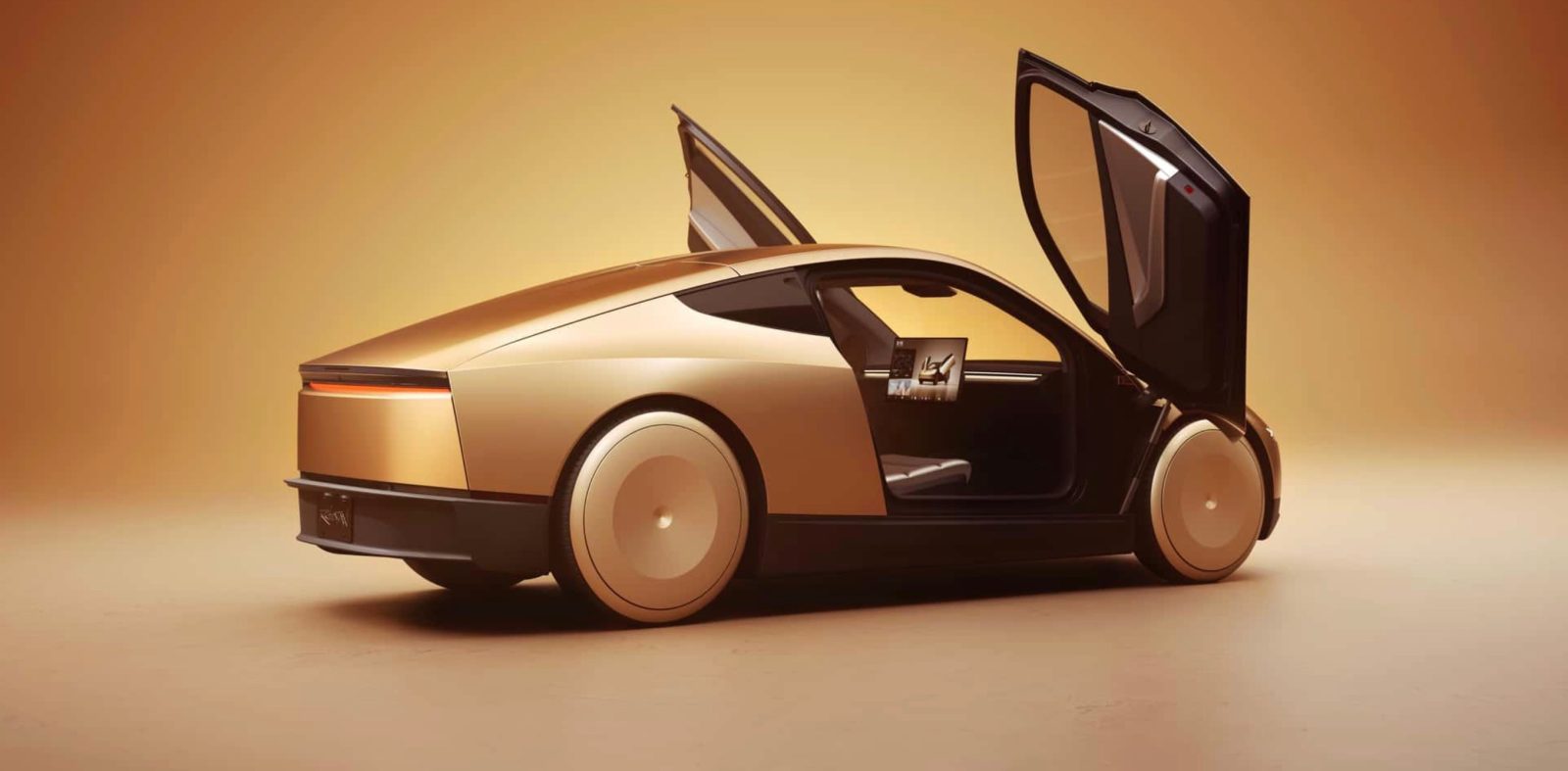
Tesla's Cybercab robotaxi arrives with specs that underscore the company's efficiency-first approach to autonomous vehicles. EPA certification documents filed in May reveal a 3,113-pound curb weight, 219 horsepower motor, and 48 kWh battery pack. The ultra-light platform reflects Tesla's engineering philosophy for a dedicated self-driving taxi that prioritizes range and operational cost over passenger comfort features found in traditional vehicles.
The 48 kWh battery paired with that modest horsepower suggests Tesla engineered the Cybercab for city and suburban duty cycles rather than highway performance. The weight figure proves dramatic. A comparable gasoline compact car weighs roughly 2,800 to 3,200 pounds. Tesla achieved similar mass while packing battery, electric motor, and autonomous hardware into what amounts to a minimalist two-seater designed for taxi fleet operations.
The 219 horsepower output aligns with early Tesla statements about Cybercab acceleration. That's roughly half the output found in a Model 3 Standard Range, confirming this isn't a performance vehicle. Instead, Tesla optimized for efficiency metrics. The company previously claimed the Cybercab achieves 165 watt-hours per mile, making it the most efficient EV Tesla produces.
These specs reveal Tesla's robotaxi strategy plainly. Autonomous taxis don't need extensive cargo space, driver comfort features, or acceleration thrills. They need reliability, low energy consumption, and fast turnaround times between rides. A 48 kWh pack supporting 165 Wh/mile range translates to roughly 290 miles per charge, sufficient for multiple daily ride cycles in urban environments where Cybercabs will operate.
The EPA filing also confirms Tesla's design decisions around materials and powertrain. This lightweight architecture requires careful component selection and likely