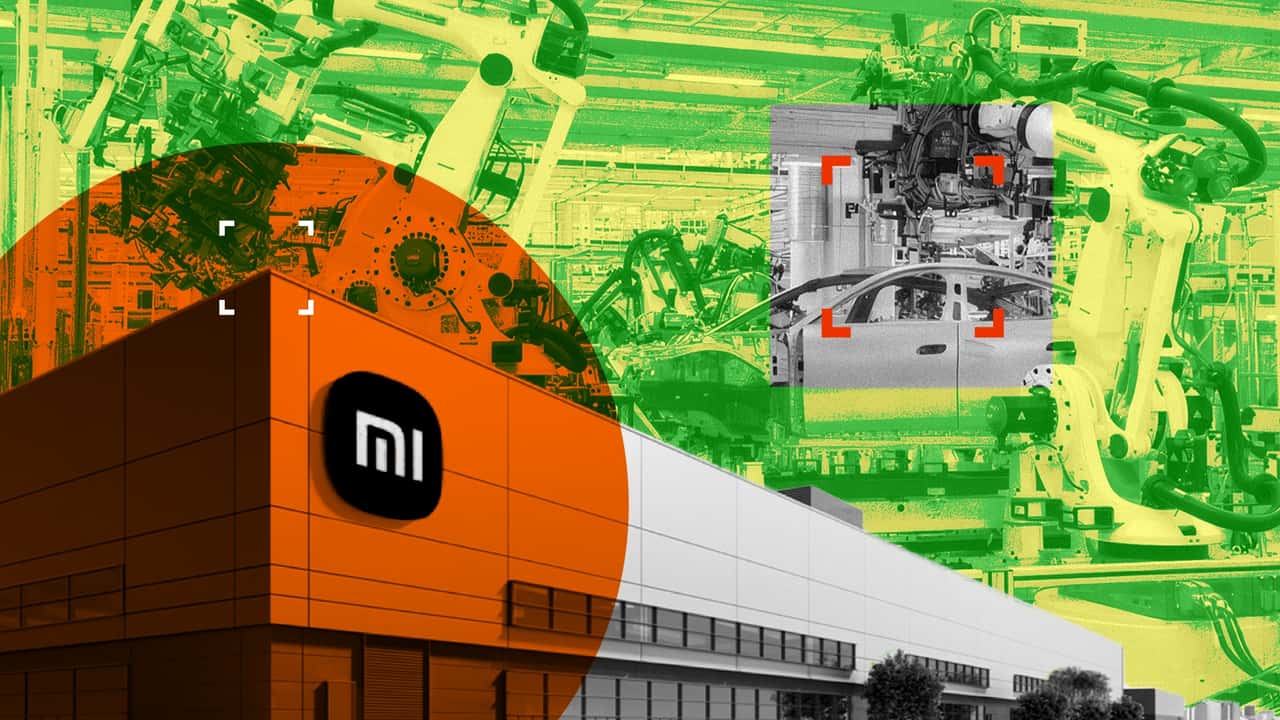
Xiaomi's updated SU7 sedan reveals why the Chinese tech giant has disrupted the automotive industry faster than traditional carmakers anticipated. The refreshed SU7 combines performance, technology integration, and pricing that undercuts rivals by thousands of dollars while matching or exceeding their capabilities.
The SU7 launches with Xiaomi's ecosystem advantage. The company bundles its smartphones, tablets, and smart home devices into the driving experience seamlessly. This integration creates switching costs that lock customers into Xiaomi's platform. Traditional automakers, fragmented across divisions and partnerships, cannot replicate this vertical control.
Xiaomi's manufacturing efficiency explains its cost structure. The company designed the SU7 for rapid production scaling and component standardization. Battery costs, the EV industry's biggest expense, drop further when sourced at Xiaomi's scale. The company absorbs margins competitors cannot match while maintaining profitability.
The updated SU7 sedan targets premium positioning without premium pricing. It delivers 300-plus horsepower variants, over-the-air software updates, and cabin technology that rivals Tesla Model 3 and BYD competitors. Yet pricing sits $10,000 to $15,000 below Western equivalents. Chinese consumers recognize the value immediately.
Xiaomi's speed matters most. From announcement to production took months, not years. The company iterated features based on customer feedback with updates that roll out continuously. Traditional automakers operate on product cycles measured in years. By then, Xiaomi already released two generations.
The SU7's success in China reflects broader competitive dynamics. BYD, Li Auto, and NIO already established beachheads. Xiaomi enters not as an outsider but as a trusted brand extension. Chinese buyers trust Xiaomi's software and quality from consumer electronics. That credibility transfers to vehicles instantly.
Western automakers