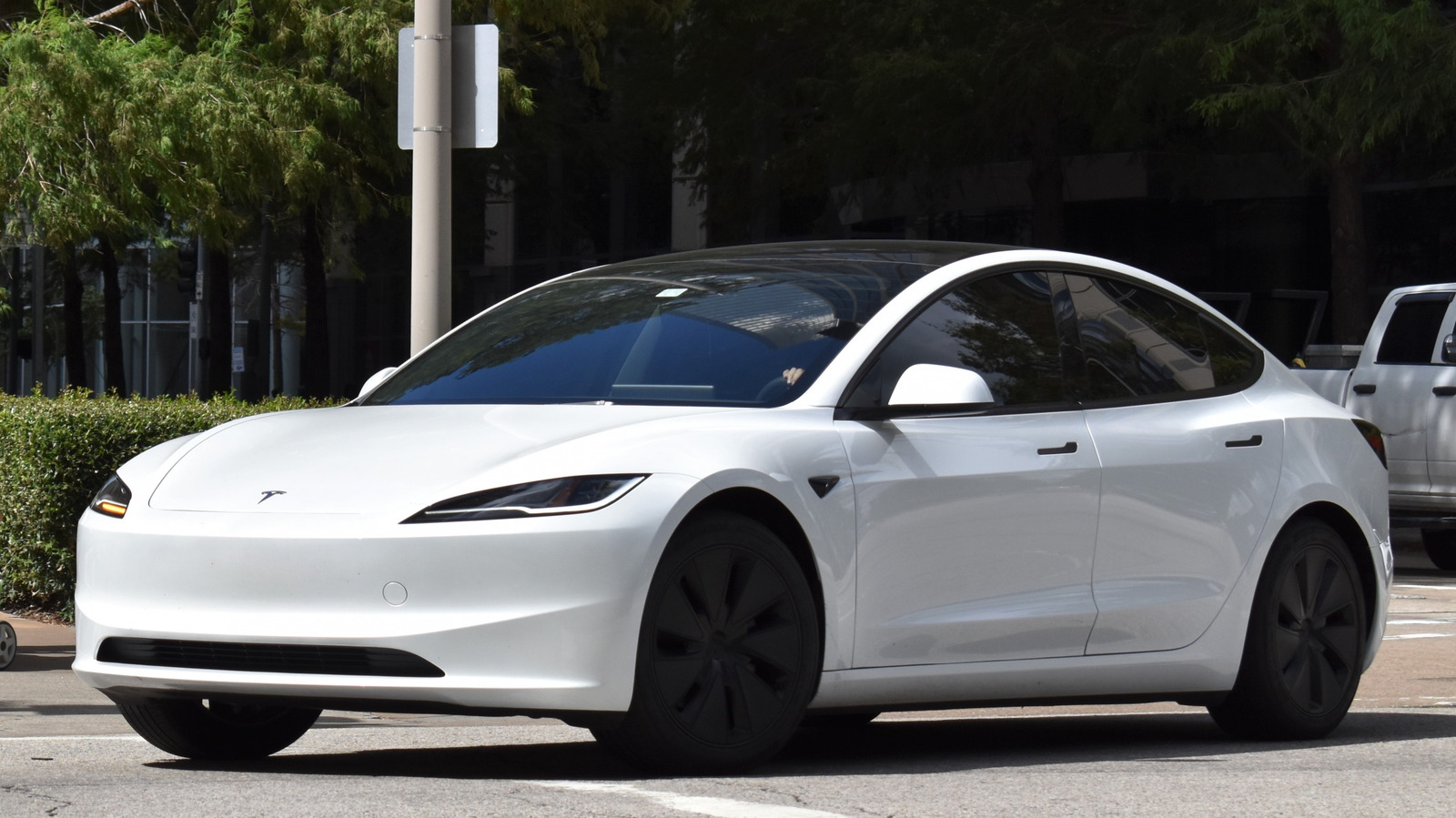
EV insurance costs run 50% higher than gas-powered vehicles in many cases, but the gap is closing fast. Several factors drive initial EV premiums up. Repair costs remain elevated because specialized technicians and parts command premium rates. Battery damage from collisions triggers expensive replacements. Fewer repair shops have EV certification, limiting competition and keeping labor costs high.
Insurance companies also factor in limited accident data. EVs represent a small portion of the total vehicle fleet, so insurers lack historical claims information to properly calibrate risk models. This uncertainty pushes rates upward as a safety margin.
State regulations matter too. Some states allow insurers more flexibility in pricing EV coverage, while others cap increases. Geography determines availability of qualified repair shops, which directly impacts premiums.
The cost curve is bending downward. More repair facilities gain EV certification every month. Competition increases as technician availability improves. Insurers accumulate years of accident and repair data, allowing them to price EVs more accurately. Major automakers improve battery durability, reducing catastrophic failure rates. Aftermarket suppliers bring part costs down through competition.
Battery costs specifically have dropped dramatically. A Tesla Model 3 battery pack cost roughly $4,500 in 2023, down from $13,000 five years earlier. Lower replacement costs translate directly to lower insurance premiums.
Insurers also recognize that EV drivers tend to be older, more educated, and more cautious than average motorists. Claims data confirms this demographic files fewer accidents. As datasets grow, actuaries can price based on actual risk rather than assumptions.
Within two to three years, EV insurance should approach parity with gas-powered cars in most markets. Premium vehicles like the Porsche Taycan will likely maintain a cost premium due to repair complexity, but mainstream EVs like the Tesla Model Y, Chevy Bolt,