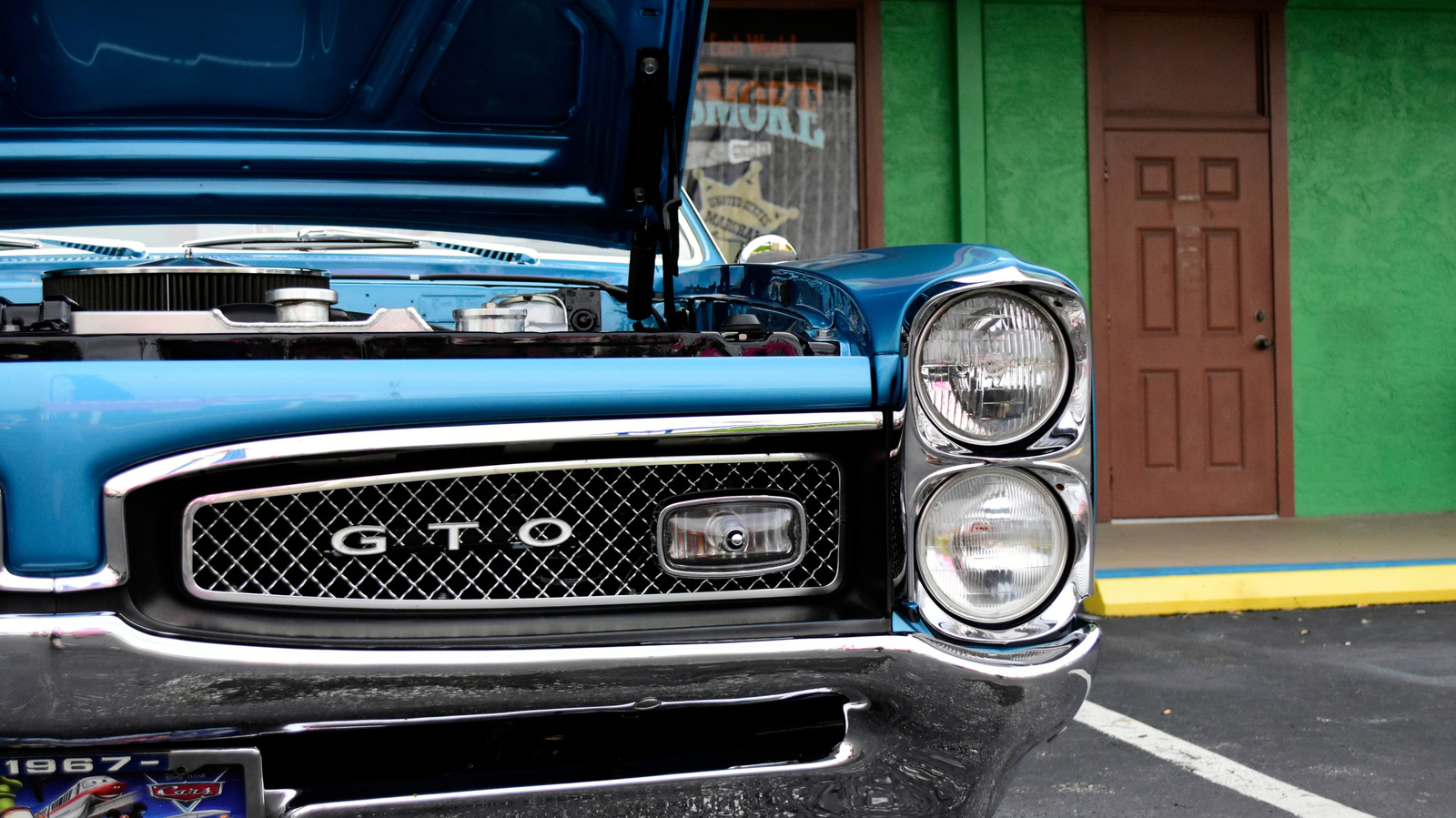
Pontiac attempted to replicate Ford's formula for high-performance V8 success in the 1970s by copying a critical design element from the Blue Oval, but the resulting engine fell short of expectations and became one of the brand's forgotten powerplants.
The engine in question borrowed heavily from Ford's proven architecture, a common practice among Detroit's Big Three during an era when manufacturers constantly benchmarked competitors' designs. Pontiac engineers believed they could adapt the concept to create a formidable muscle car V8 that would compete with Ford's most potent offerings.
The plan unraveled once the engine hit production. Despite promising specifications on paper, real-world performance proved underwhelming. Reliability issues plagued early examples, and power output failed to match Pontiac's internal projections or Ford's comparable engines. The displacement, tuning characteristics, and engineering compromises that seemed sound in development transformed into liabilities in customer hands.
The 1970s presented brutal constraints for American muscle cars. Tightening emissions regulations, rising fuel prices following the 1973 oil embargo, and shifting consumer preferences away from raw horsepower all conspired against performance engines. Pontiac's misstep occurred precisely when the brand needed a home run rather than a strikeout.
The engine disappeared quickly from Pontiac's lineup, replaced by more conventional offerings. Collectors and enthusiasts largely forgot about it, overshadowed by legendary mills like the 455 and the earlier Pontiac 389 and 400 engines that defined the brand's performance legacy.
This cautionary tale reveals how even careful design borrowing cannot guarantee success when execution falters. Pontiac's designers understood what worked at Ford but lacked the development resources or manufacturing precision to replicate that success. The forgotten engine serves as a reminder that the 1970s muscle car era ended not with a ro