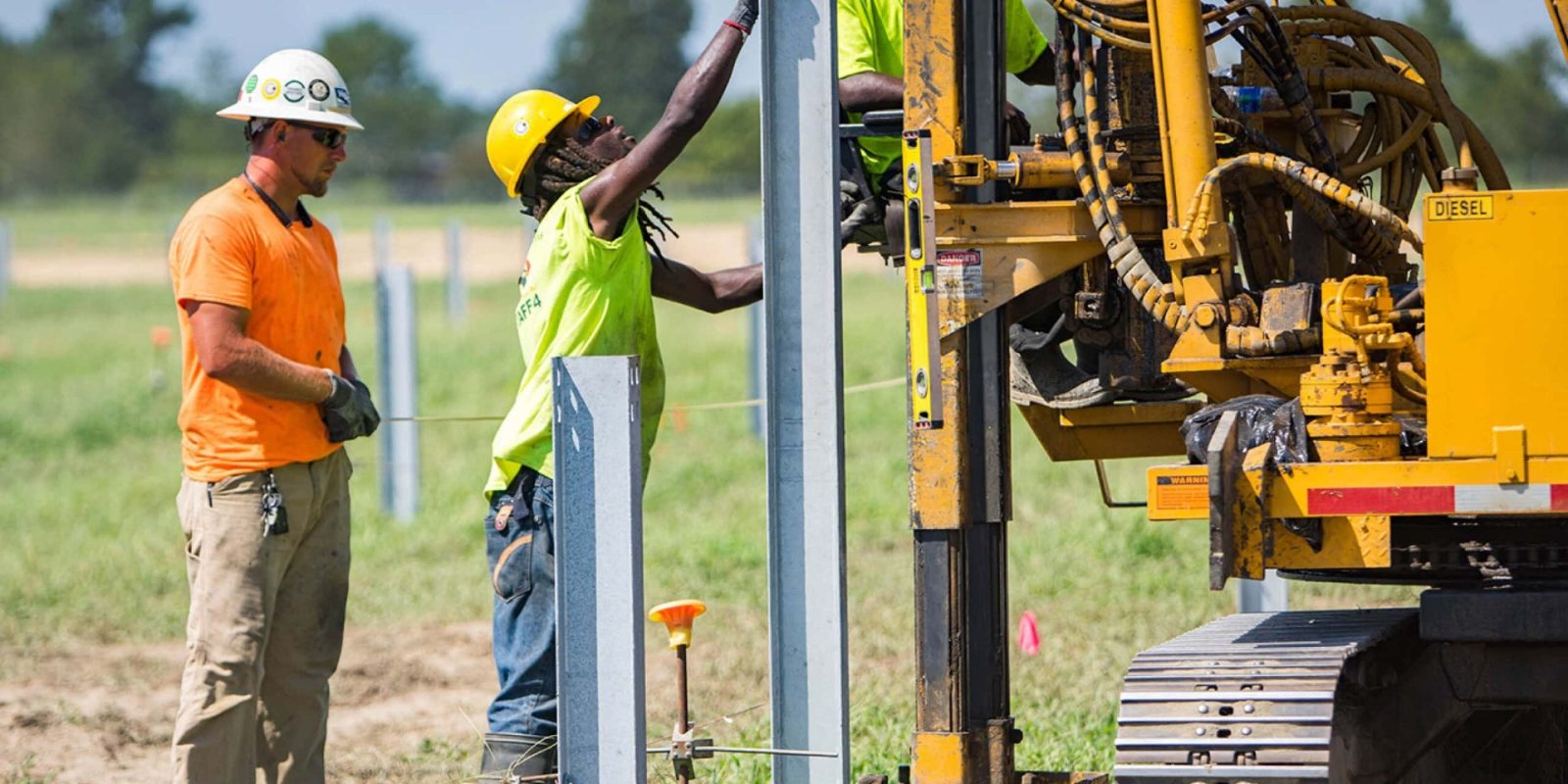
Cypress Creek Energy has secured $3.5 billion in financing for Steel River, a massive solar-plus-storage complex under development in Arkansas. The project ranks among the largest hybrid renewable installations in the United States.
The financing milestone signals serious momentum in the energy storage sector. Steel River combines utility-scale solar generation with battery storage capacity, addressing a core challenge for grid operators, renewable integration. Solar facilities produce power only during daylight hours. Battery storage systems capture that energy and dispatch it when demand peaks or when the sun sets, smoothing out supply volatility and reducing reliance on fossil fuel peaking plants.
Cypress Creek Energy operates across multiple states and has become a major player in the renewable energy buildout. The company specializes in large-scale solar and storage projects that serve utilities, corporate clients, and regional power markets.
This financing closure matters because it reflects investor confidence in the renewable energy transition. Major capital commitments like this one don't happen without institutional backing from banks, infrastructure funds, and other large financial players. The money validates the economics of hybrid solar-storage systems at scale. Grid operators and utilities increasingly view battery storage as essential infrastructure. Unlike pure solar plays, projects combining generation with storage command premium valuations because they deliver more reliable, dispatchable power.
Arkansas benefits from strong solar resources and available land. The state has become an attractive location for utility-scale renewable development, drawing investment away from more crowded markets in California and Texas.
The steel River project will compete directly with other major storage initiatives coming online across the country. NextEra Energy, Duke Energy, Southern Company, and other utilities are all expanding battery capacity. The competition intensifies as the grid transitions from fossil fuels toward renewables. Storage projects now become the tiebreaker in renewable procurement decisions.
Completion timelines and actual generation output will determine whether Steel River meets its promise. Financing approval is step one. Construction execution,