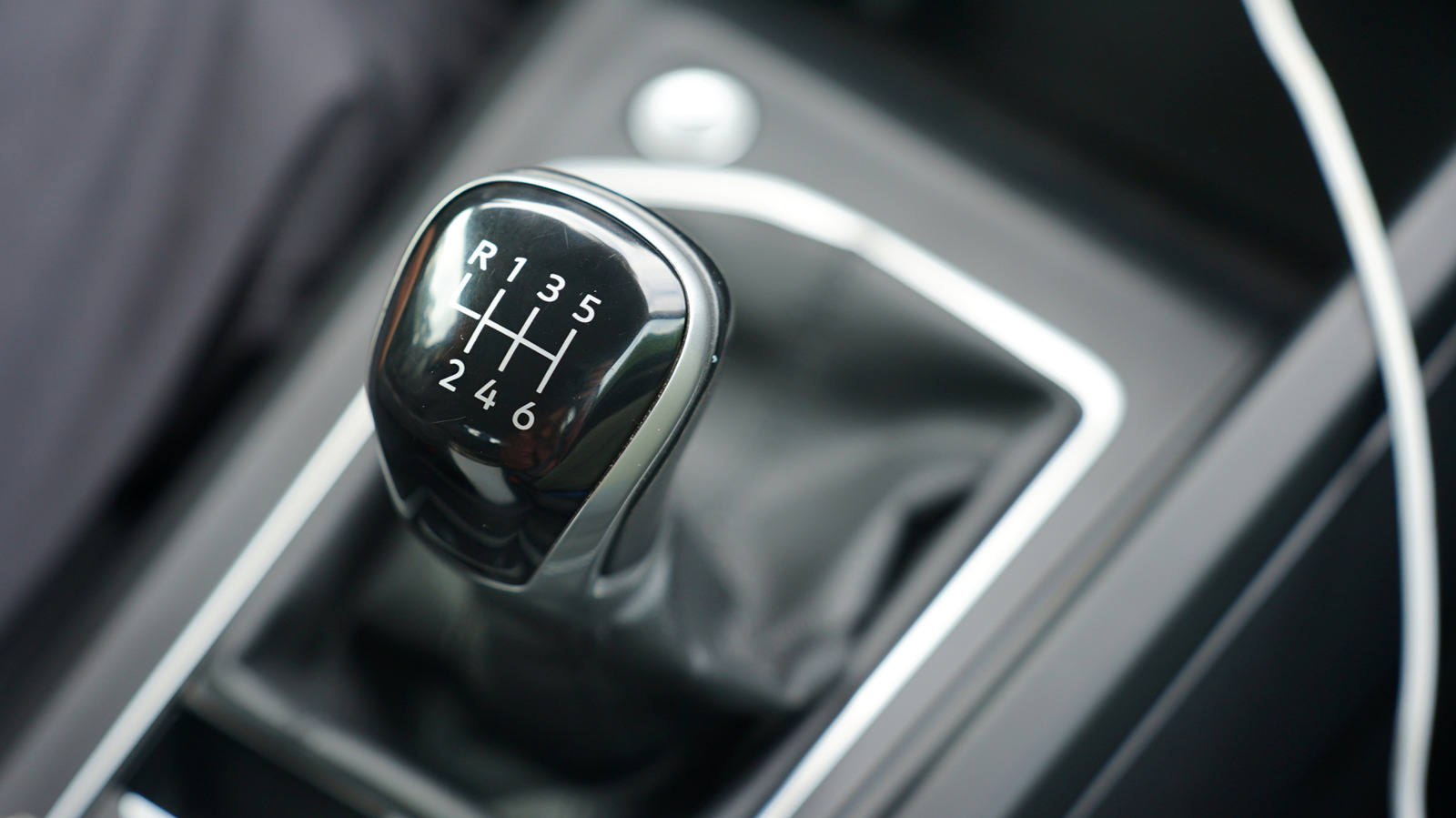
Manual and automatic transmission fluids perform different functions in their respective powertrains, making them incompatible despite surface similarities.
Automatic transmission fluid (ATF) must handle multiple duties simultaneously. It lubricates planetary gearsets, torque converters, and hydraulic clutches while serving as the working fluid for the transmission's internal hydraulic systems. ATF also manages heat dissipation across the entire transmission assembly. These demands require specific viscosity ratings, detergent packages, and friction modifiers tuned for automatic operation.
Manual transmission fluid has simpler requirements. It lubricates gears and synchronizers without managing hydraulic functions or torque converter operation. Manual fluids typically use higher viscosity ratings and different friction characteristics optimized for gear meshing rather than clutch engagement.
The friction modifiers differ critically. ATF contains additives that enable smooth clutch application in automatic transmissions. These same additives would cause slippage and chatter in manual clutches, degrading shift quality and creating synchronizer wear. Conversely, manual transmission fluid lacks the anti-foam agents and oxidation inhibitors necessary for automatic transmissions, which operate at higher temperatures and speeds.
Viscosity mismatches create immediate problems. Using automatic fluid in a manual transmission produces inadequate gear lubrication and poor shift feel. Filling an automatic transmission with manual fluid causes loss of hydraulic pressure, clutch slippage, and potential transmission failure.
Modern transmissions prove especially sensitive to fluid specifications. Dual-clutch transmissions and continuously variable transmissions (CVTs) require proprietary fluid formulations meeting precise OEM standards. Substituting incompatible fluid voids warranties and risks expensive repairs.
Drivers should always consult their owner's manual for the correct fluid specification. Transmission servicing demands exact fluid types. Using the wrong product compromises performance, accelerates wear, and can result in