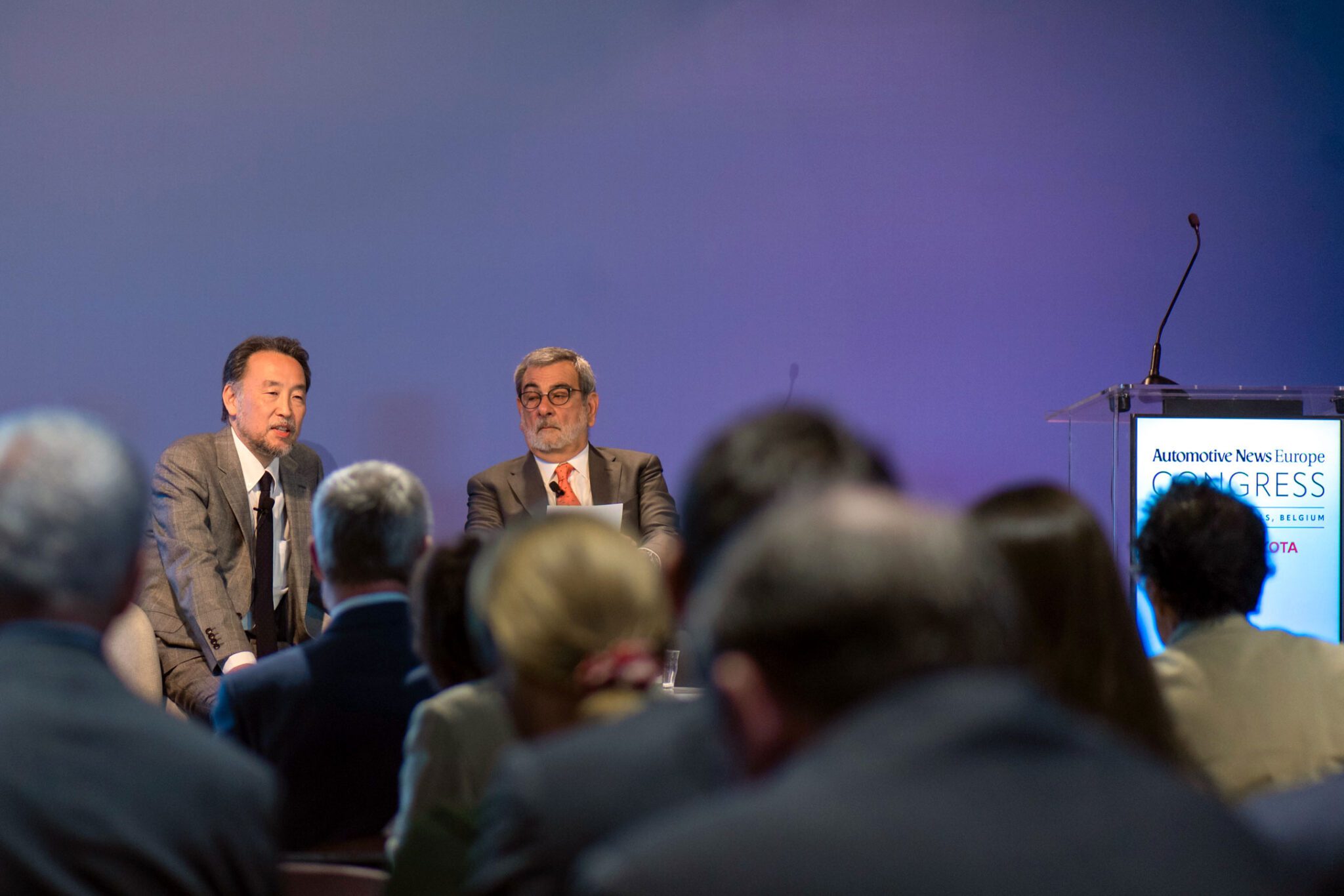
Toyota is pushing the European Union to expand the definition of eligible partners under its Industrial Act, requesting that the UK and Japan receive the same preferential treatment currently reserved for EU member states. The automaker's position challenges Brussels' protectionist framework just as the bloc tightens requirements around battery sourcing and manufacturing for electric vehicles.
The EU Industrial Act establishes subsidies, tax breaks, and regulatory flexibility for carmakers investing in European EV production. Current rules favor companies sourcing components from EU nations, creating a closed economic circle. Toyota argues this framework ignores geopolitical realities and supply chain interdependencies that extend beyond EU borders.
Japan remains a critical partner for automotive technology and manufacturing expertise. The UK, despite Brexit, maintains significant automotive production capacity and engineering talent. Both nations represent established allies in Toyota's global sourcing network. Excluding them penalizes companies like Toyota that rely on these partnerships for cost-effective EV component sourcing.
Toyota's challenge reflects broader tensions within EU industrial policy. Brussels wants to build domestic EV dominance, but overly restrictive rules risk fragmenting supply chains and raising production costs. Carmakers already navigate complex battery regulations under the Critical Raw Materials Act and the Carbon Border Adjustment Mechanism.
The automaker's request signals that Asia-based manufacturers view the Industrial Act as protectionist overreach. If the EU maintains strict definitions, Japanese and Korean competitors may consolidate US and Southeast Asian production instead of expanding European capacity. That outcome directly contradicts the EU's goal of attracting major EV manufacturing.
Toyota builds vehicles in multiple EU countries, including France, Portugal, and Poland. Its investment depends on regulatory clarity and cost competitiveness. Broadening the Industrial Act to include trusted non-EU partners like Japan and the UK would ease supply chain integration and lower EV manufacturing costs across Europe, making the bloc more attractive to international automakers competing with US and Chinese manufacturers