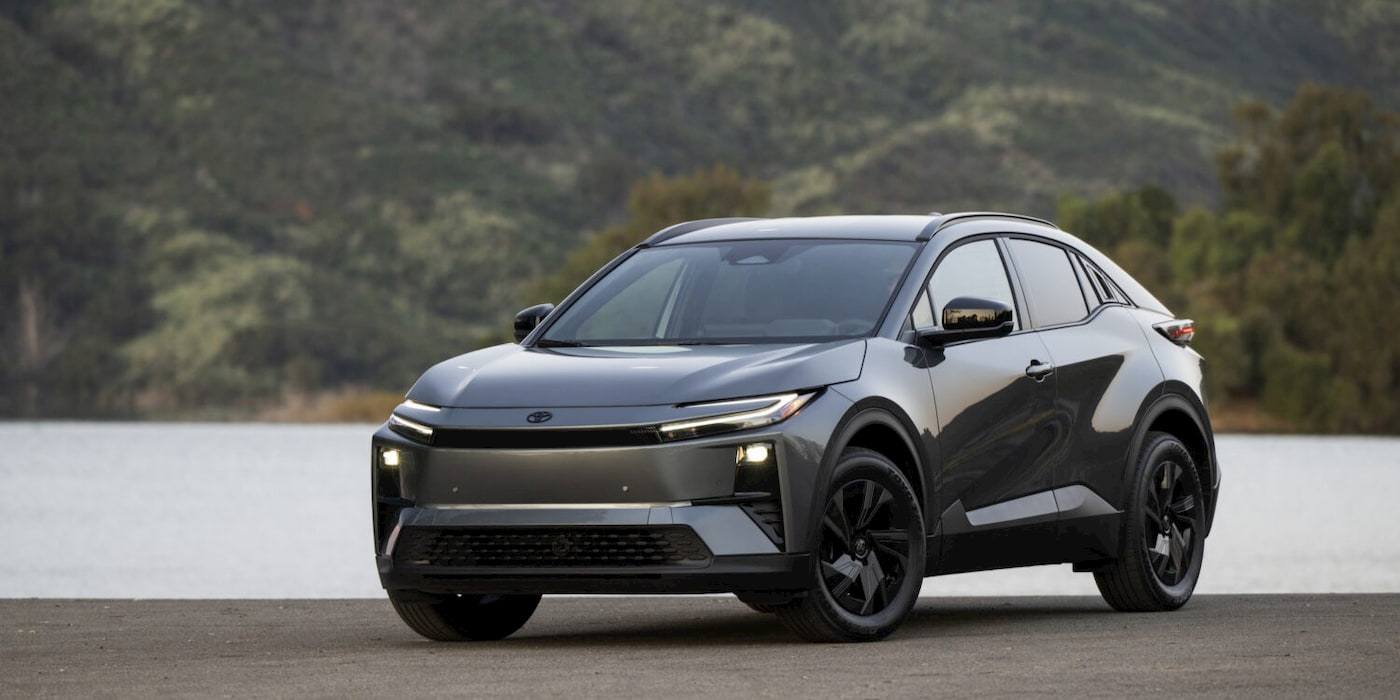
Toyota's electric vehicle lineup is accelerating faster than expected. The automaker logged a 225% jump in EV registrations during April, driven by three newly available all-electric SUVs hitting the market simultaneously.
The three models comprise Toyota's expanded battery-electric assault on a market where it previously lagged competitors like Tesla, Ford, and General Motors. This surge marks a turning point for Toyota, which built its reputation on hybrids rather than pure EVs but now recognizes that customers and regulators demand full electrification.
The April spike reflects a strategic shift. Toyota previously sold only the bZ4X crossover in limited quantities. Adding three SUVs to the lineup provides customers real choice across different size and price segments. SUVs dominate U.S. sales, so Toyota's focus on that category makes commercial sense.
The numbers matter in context. While a 225% increase sounds dramatic, Toyota's overall EV market share remains modest compared to Tesla or legacy brands pivoting aggressively to electric powertrains. However, the velocity matters more than the absolute figures. Toyota's manufacturing scale, brand loyalty, and dealer network position it to compound these gains rapidly.
Regulatory pressure accelerates this transition. California's zero-emission vehicle mandate and pending federal EV tax credit eligibility requirements force Toyota to move beyond its hybrid comfort zone. The company faces stricter emission standards globally, particularly in Europe and China.
Consumer acceptance has shifted notably. EV charging infrastructure has expanded, battery anxiety has declined, and early adopter feedback from existing bZ4X owners likely informed these new models. Pricing competitiveness also improves acceptance. Toyota's reputation for reliability transfers to its EV division in ways that benefit customer confidence.
Competition intensifies. Hyundai and Kia's Ioniq platform, Volkswagen's ID family, and Chinese automakers like BYD dom