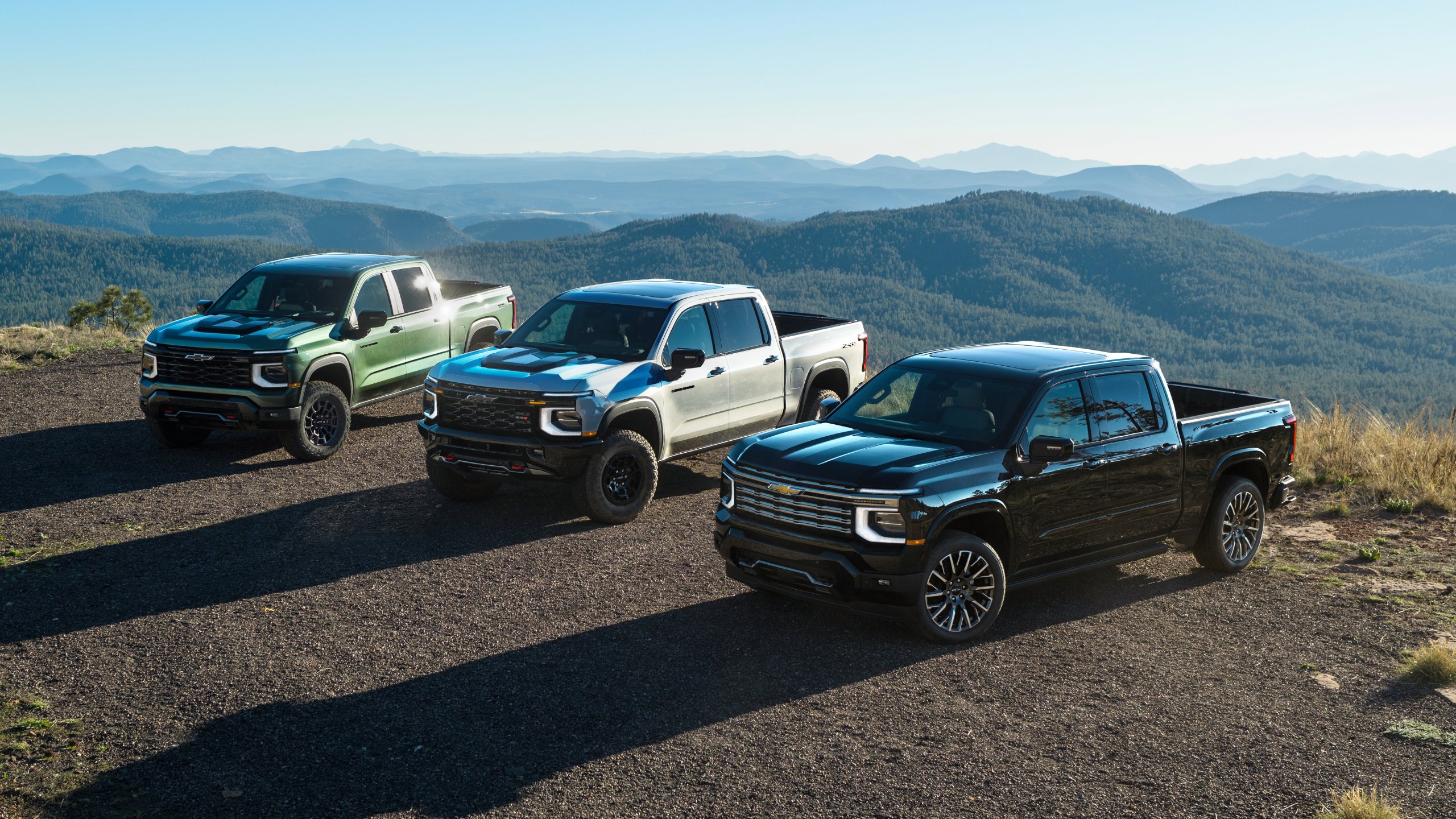
Chevrolet has resurrected three iconic V8 displacements for its current lineup, reviving the 350, 400, and 409 cubic-inch engines that defined the brand's muscle car era. The move marks a nostalgic callback to classic small-block and big-block architecture, though these modern iterations bear little resemblance to their predecessors beyond displacement figures.
The updated Corvette anchors the strategy with the new LS6 V8, delivering the kind of naturally aspirated performance Chevy's sports car division demands. Paired with the 350 and 400 options, these engines represent different power tiers across Chevy's truck and performance portfolio. The 409 completes the trilogy, offering the largest displacement for customers seeking maximum output.
This naming strategy taps into automotive nostalgia at a time when the market increasingly questions the future of internal combustion engines. Chevy's decision to badge modern engines with vintage displacement sizes appeals directly to buyers who remember the original small-blocks and big-blocks that made the brand legendary. The 350 small-block, introduced in 1967, became one of history's most prolific and reliable engines. The 409 big-block, immortalized in Beach Boys songs and 1960s muscle cars, carries equally potent brand heritage.
Modern engineering separates these engines from their forebears entirely. Direct injection, variable valve timing, advanced cooling systems, and computer management deliver efficiency and reliability unimaginable in the 1960s. Output numbers also dwarf vintage specs. Today's engines produce more power with smaller displacements and far superior fuel economy.
The naming choice reflects broader industry trends. As electrification accelerates, manufacturers lean harder into heritage and enthusiast appeal for traditional powertrains. Ford and Dodge employ similar tactics with their V8 lineups.