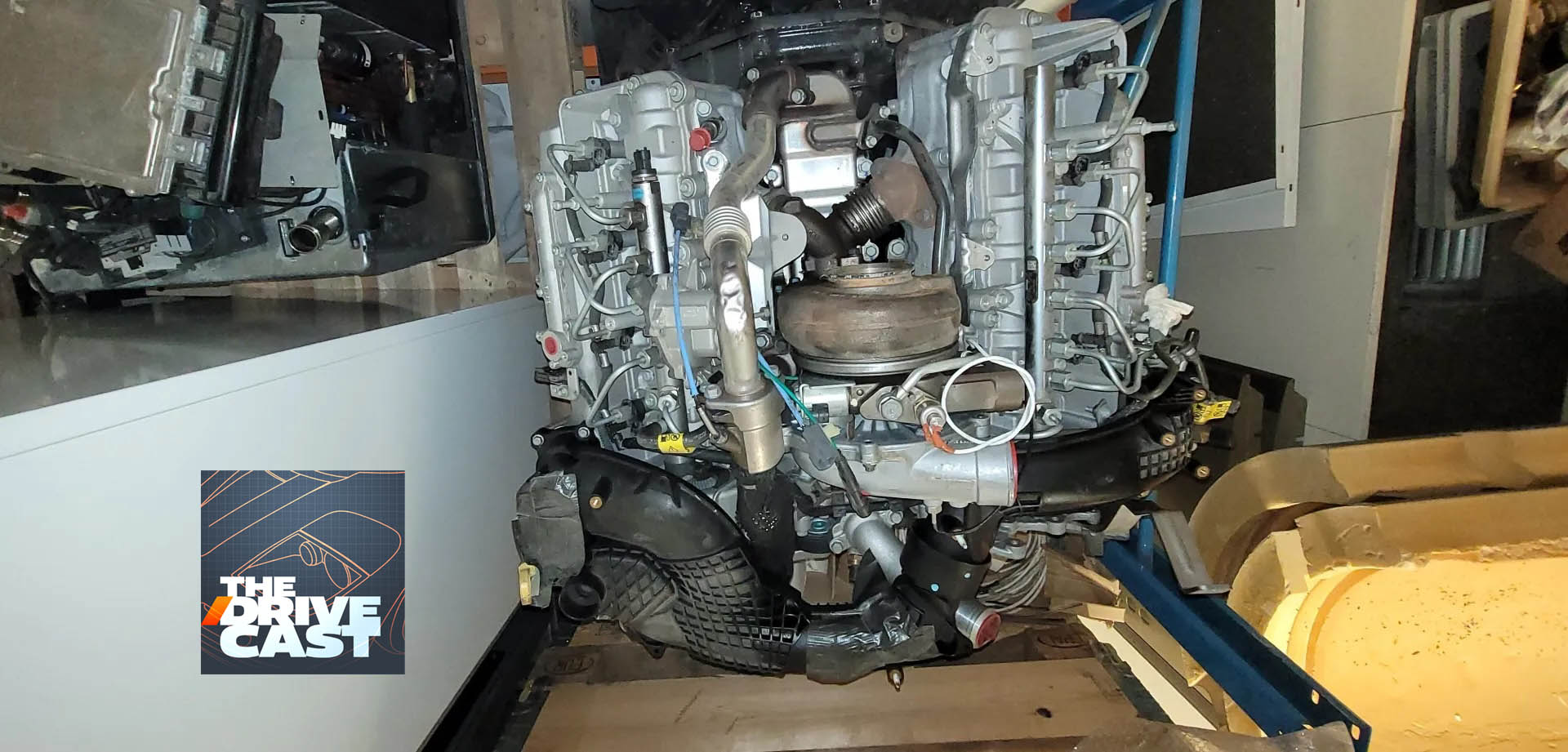
General Motors claimed it destroyed all prototype 4.5L Duramax V8 engines developed during the 2000s. At least one prototype survived. A Swedish owner possesses what appears to be an intact example of the engine that never made production.
GM developed the 4.5L Duramax V8 as a next-generation diesel powerplant for full-size trucks. The engine represented a significant engineering effort, designed to deliver modern efficiency and power in GM's pickup lineup. The company ultimately shelved the project, citing cost and market conditions. In official statements, GM maintained it crushed all remaining prototypes to prevent them from entering the secondhand market or becoming collectible oddities.
That narrative now faces challenge. The existence of a functional 4.5L Duramax V8 in Sweden raises questions about GM's disposal claims and how prototype engines sometimes escape corporate destruction protocols. The engine's survival suggests either oversight during the scrapping process or deliberate preservation before GM could seize it.
Diesel truck enthusiasts have long speculated about what the 4.5L Duramax could have accomplished. The engine promised to bridge the gap between displacement, emissions compliance, and fuel economy. Had GM brought it to market, it would have competed directly with Ford's 6.7L Power Stroke and Ram's Cummins offerings in the heavy-duty segment.
Prototype engines occasionally surface decades after cancellation, offering engineers and collectors rare windows into abandoned development paths. The Swedish example carries genuine historical value, documenting what directions the Duramax family might have pursued. For truck historians and diesel aficionados, proof that even one prototype survived GM's official destruction serves as compelling evidence that significant engineering work endures outside corporate vaults.
This discovery raises practical questions about how manufacturers manage sensitive prototypes and whether public destruction claims require independent verification. GM's disclosure gap