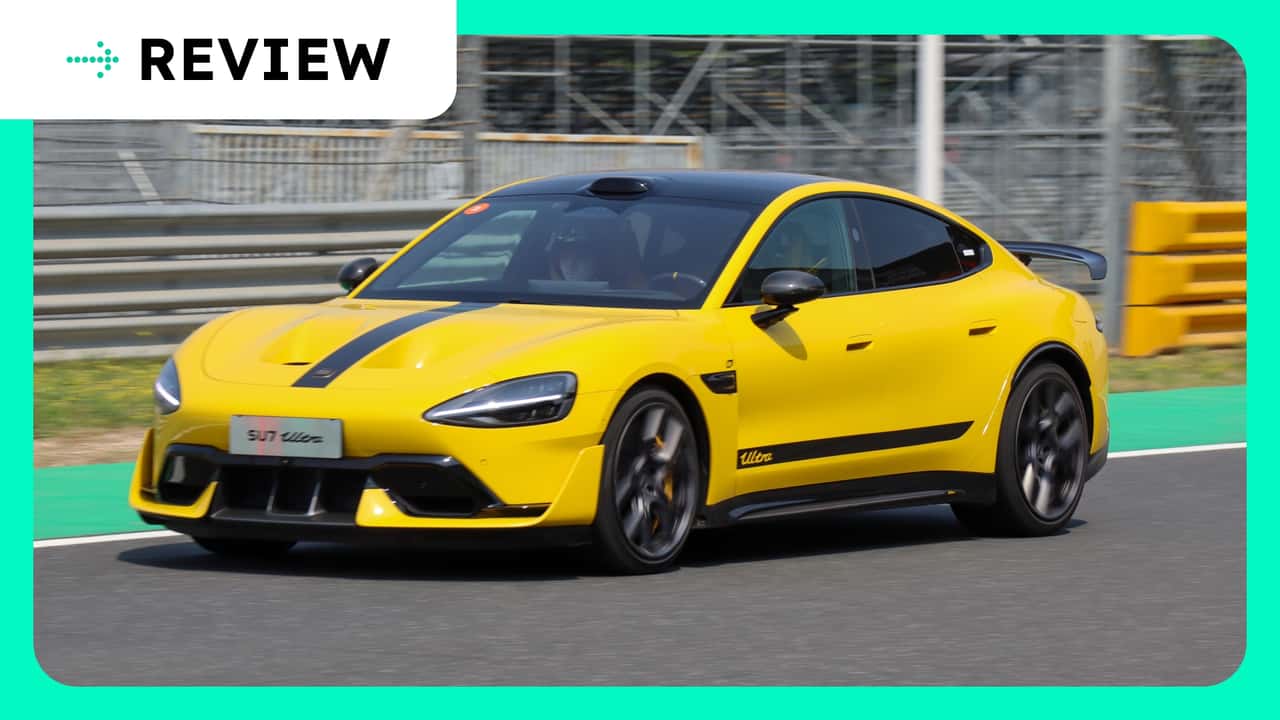
Xiaomi's SU7 Ultra delivers supercar-level power with sedan-like accessibility. The Chinese EV produces 1,526 horsepower and starts at $75,000, undercutting comparable performance vehicles from established automakers by tens of thousands of dollars.
The SU7 Ultra achieves this output through a tri-motor setup, with one motor on the front axle and two on the rear. This architecture enables sophisticated torque vectoring and stability control systems that make extreme performance manageable for average drivers. The car's weight distribution and low center of gravity, courtesy of its floor-mounted battery pack, contribute to balanced handling characteristics despite its significant horsepower figure.
Xiaomi's entry into automotive manufacturing represents a strategic shift for the Chinese tech conglomerate. Rather than compete directly with Tesla on range or charging infrastructure, the company targets the performance EV segment where Tesla's Plaid lineup dominates. The Model S Plaid delivers similar power output starting around $100,000, making the SU7 Ultra's pricing aggressive.
Driving dynamics matter here. The tri-motor configuration allows the SU7 Ultra to manage power delivery with precision that single or dual-motor vehicles cannot match. Electronic stability systems actively distribute torque across all three motors, preventing the violent oversteer that plagued early high-horsepower electric vehicles. Drivers get supercar performance without requiring professional racing skills.
Battery technology underpins the SU7 Ultra's capability. Xiaomi leverages partnerships with established cell manufacturers to source competitive battery packs. The platform supports rapid charging, a practical necessity for high-performance EVs that consume energy quickly under hard driving.
This represents a broader trend in Chinese automotive manufacturing. Companies like BYD, Nio, and XPeng have shifted from copying Western designs to building genuinely competitive products. Xiaomi's entry