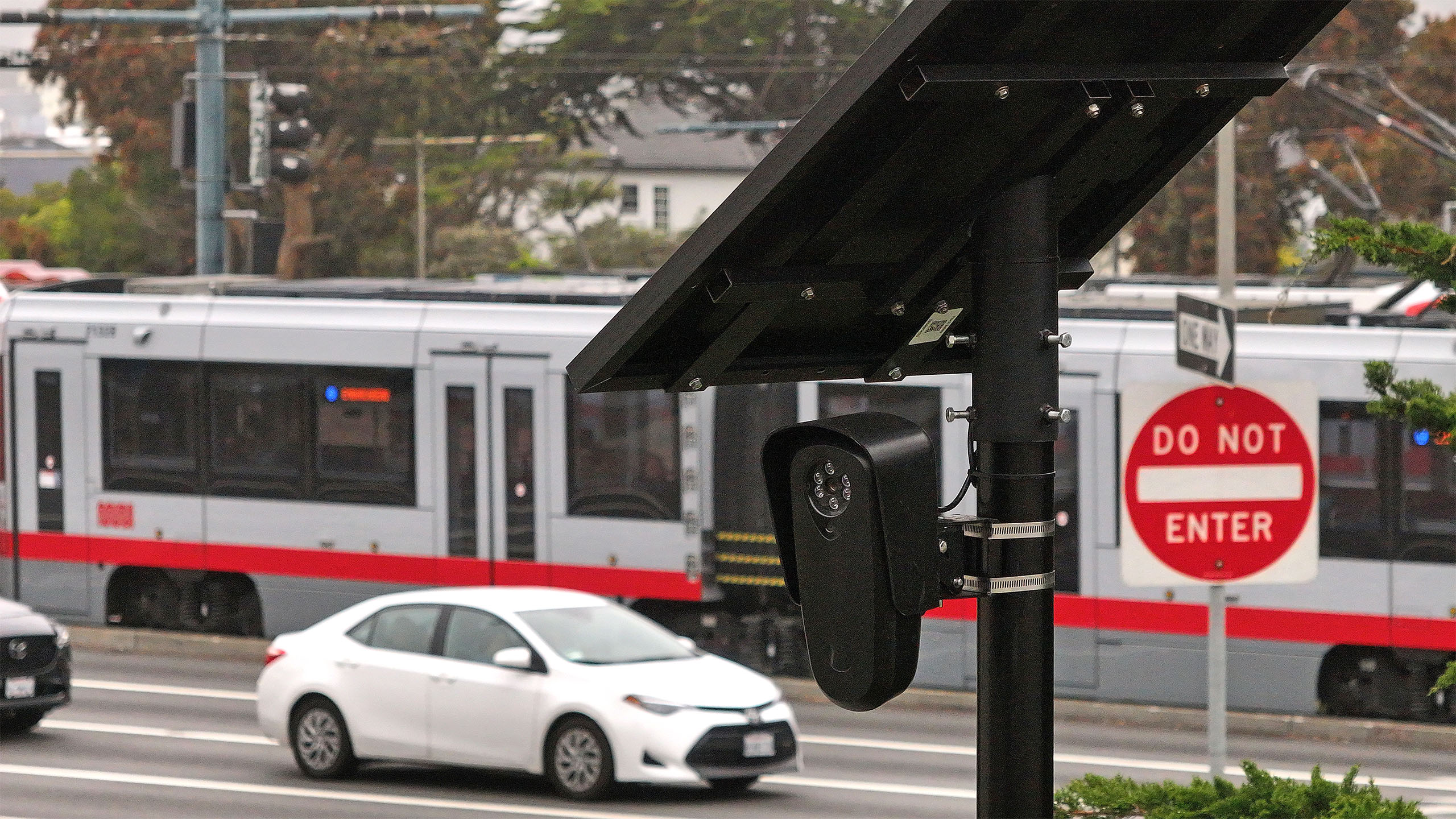
Next-generation license plate reading cameras will soon detect and track smartphones, smartwatches, vehicle infotainment systems, and pet microchips alongside traditional vehicle identification. Law enforcement agencies and government entities plan to deploy these expanded surveillance tools to compile comprehensive movement and device data in centralized databases.
The technology operates by capturing Bluetooth and Wi-Fi signals emitted from personal devices as vehicles pass through monitored areas. This approach combines traditional Automatic License Plate Recognition (ALPR) capabilities with broader digital footprinting. A single camera can now correlate a vehicle's plate number with the specific phones, watches, and connected car systems inside that vehicle, plus pet trackers.
Privacy advocates flag serious concerns. Current ALPR systems already operate with minimal regulatory oversight in many jurisdictions. Adding personal device tracking escalates surveillance scope dramatically without explicit driver consent. The data collection happens passively. Drivers remain unaware their devices broadcast identifying information captured by roadside cameras.
Law enforcement argues the expanded capability aids criminal investigations and locating missing persons. However, the same infrastructure enables mass tracking of ordinary citizens conducting legal activities. Device data reveals travel patterns, shopping habits, work locations, and social movements with granular precision.
The technology raises Fourth Amendment questions about unreasonable searches. Courts have previously ruled that tracking location data requires warrants in some contexts, yet ALPR expansion often proceeds without statutory guardrails. Data retention policies, access controls, and deletion timelines remain inconsistent across agencies.
Vehicle manufacturers and tech companies have enabled this surveillance architecture through ubiquitous Bluetooth and Wi-Fi broadcasting. Default device settings continuously broadcast identifying signals in the name of connectivity and convenience. Disabling these features requires manual intervention most drivers never perform.
Some jurisdictions have begun restricting ALPR data collection and sharing. California, for example, passed legislation limiting retention periods. However, no federal framework governs the expanded device