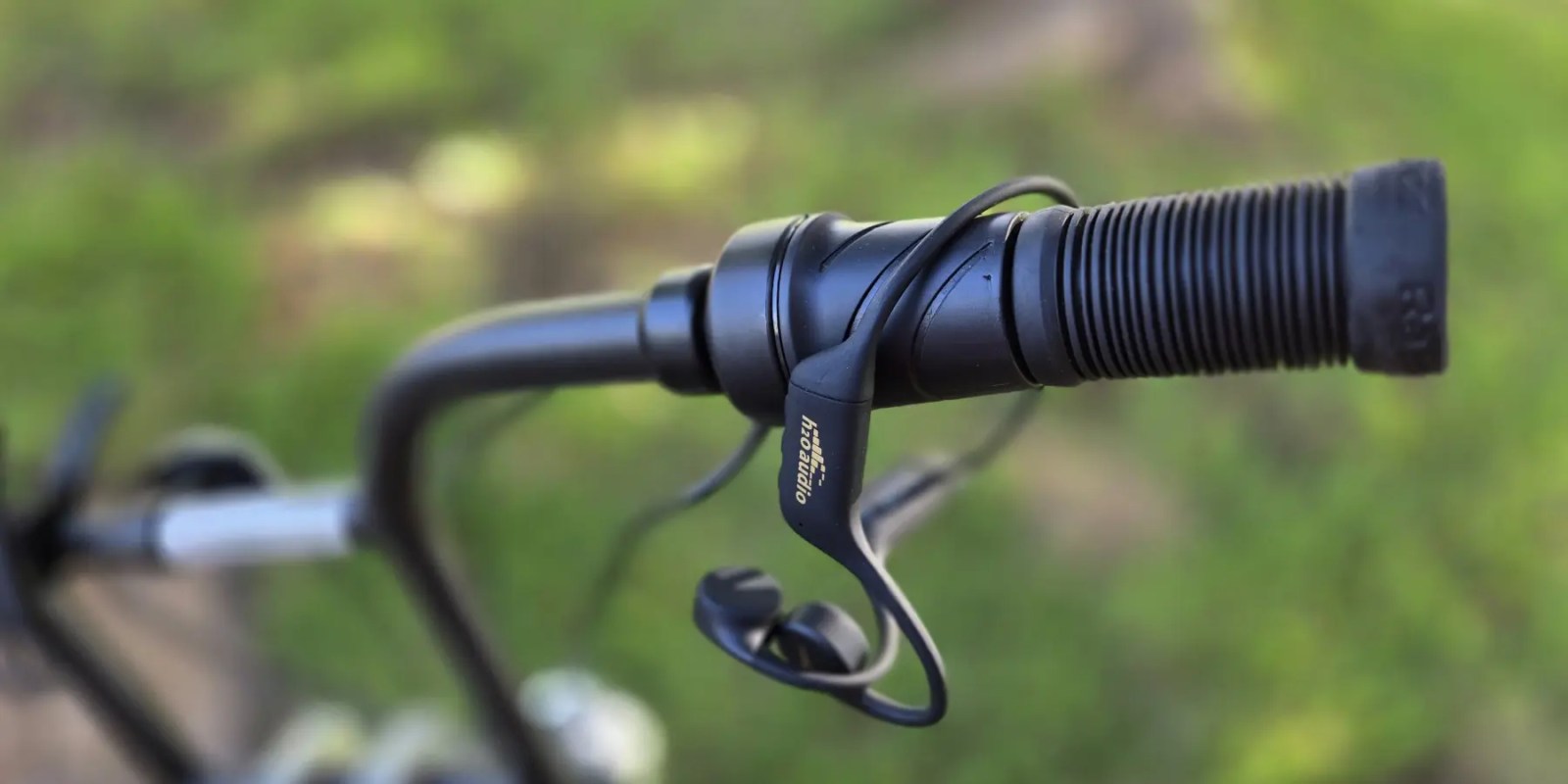
H2O Audio's TRI 2 bone conduction headphones deliver audio without blocking ambient sound, addressing a real safety gap for cyclists. The headphones sit on the cheekbones and transmit vibrations through bone conduction rather than using conventional speakers inside the ears. This keeps ear canals open to detect traffic, pedestrians, and other riders.
Bone conduction technology has existed for years, but H2O Audio refined it for active users. The TRI 2 weighs just ounces and comes with IP67 water resistance, making them sweat and rain proof. Battery life runs approximately six hours of continuous playback. Connectivity relies on standard Bluetooth, pairing quickly with smartphones or cycling computers.
The real advantage emerges during rides. A cyclist maintains normal hearing awareness while music plays. Traffic sounds remain audible. Verbal warnings from other riders register clearly. This safety-first design appeals to commuters and recreational riders who refuse to choose between entertainment and situational awareness.
Audio quality sits in the mid-range for bone conduction devices. The technology inherently produces less bass and treble articulation than traditional earbuds. Voices and vocals come through clearly, making podcasts and audiobooks practical choices. Music listeners may find them less satisfying for genre-heavy bass tracks or classical orchestration.
Comfort matters on longer rides. The TRI 2 secures via adjustable bands rather than ear insertion. No pressure builds inside ear canals. Glasses wearers experience no conflicts. Fit feels stable even on rough terrain.
H2O Audio positions the TRI 2 against specialized cycling audio products and mainstream earbuds. The price point hovers around $150 to $200, placing them above cheap earbuds but below premium cycling-specific audio gear. Direct competitors include AfterShokz and Philips bone conduction models,