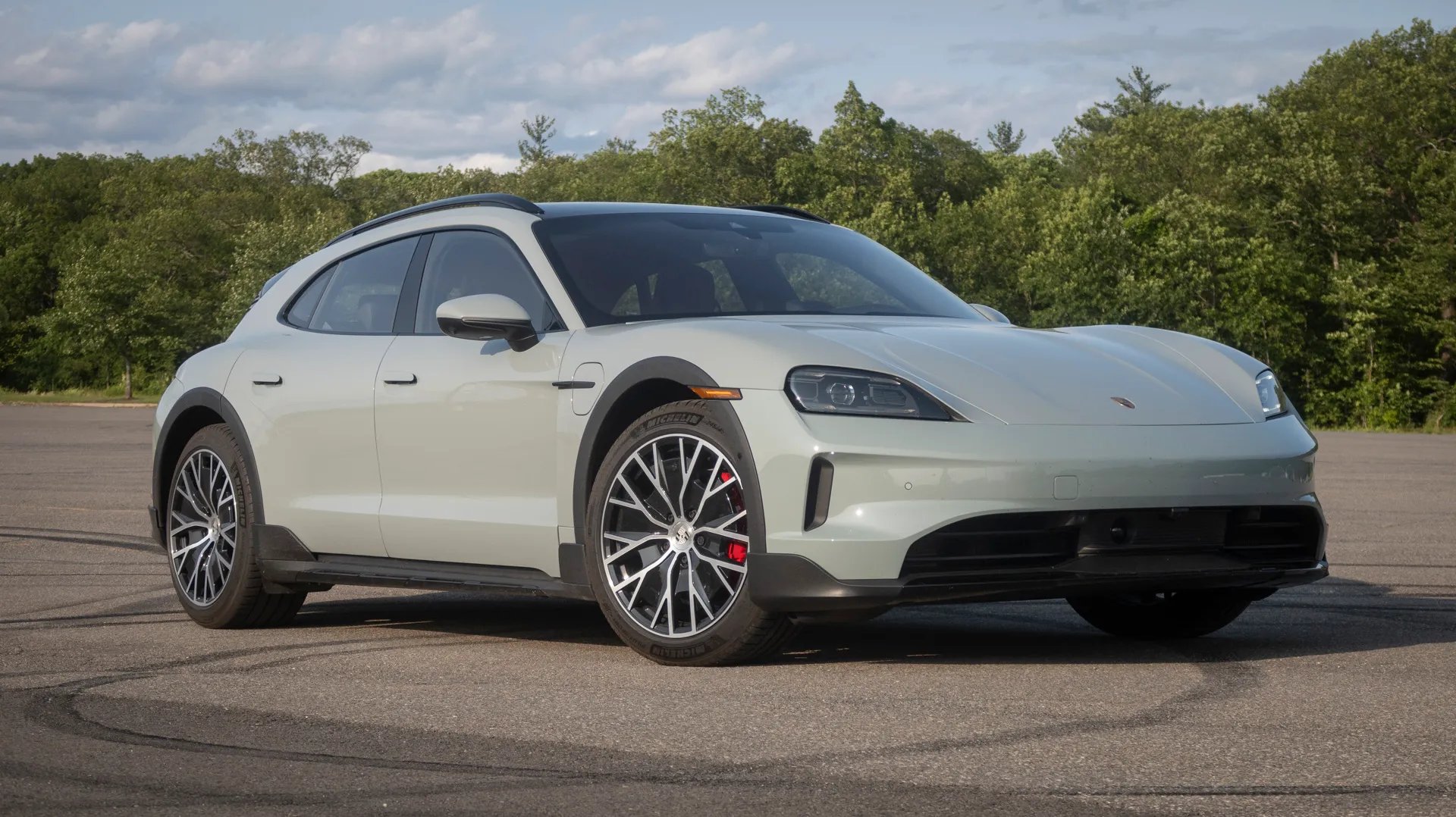
Porsche has discontinued the Taycan Sport Turismo and Cross Turismo variants for the 2027 model year, eliminating the electric sedan's wagon and crossover body styles. The decision reflects weak consumer demand for these models despite their practical appeal and performance credentials.
The Sport Turismo and Cross Turismo represented unconventional choices in Porsche's lineup. Both variants leveraged the same electric powertrain as the standard Taycan sedan but offered significantly more cargo space and versatility. The Sport Turismo provided a sleek wagon silhouette with hatchback practicality, while the Cross Turismo added all-wheel-drive standard, increased ground clearance, and rugged styling cues aimed at adventure-focused drivers.
These vehicles occupied an unusual market position. They blended Porsche's performance engineering with family-car functionality, yet neither variant gained meaningful traction in sales. American buyers especially showed indifference, gravitating instead toward traditional sedan configurations or the brand's established SUV lineup like the Cayenne. European markets demonstrated more interest in wagon body styles, but volumes never justified continued production across both regions.
The discontinuation underscores a harsh reality in the automotive industry. Manufacturers invest heavily in product development with the expectation that novel designs will convert enthusiasts into buyers. When volumes fail to materialize, even well-executed vehicles get axed. Porsche saw the Sport Turismo and Cross Turismo as opportunities to expand the Taycan's appeal beyond traditional sports car buyers, but the market rejected this premise.
The 2027 Taycan refresh will reportedly focus on the standard sedan and a new crossover variant, suggesting Porsche believes a conventional SUV body style will perform better than the more specialized Cross Turismo. This decision prioritizes sales volume over design innovation. For drivers who valued the wagon's practicality