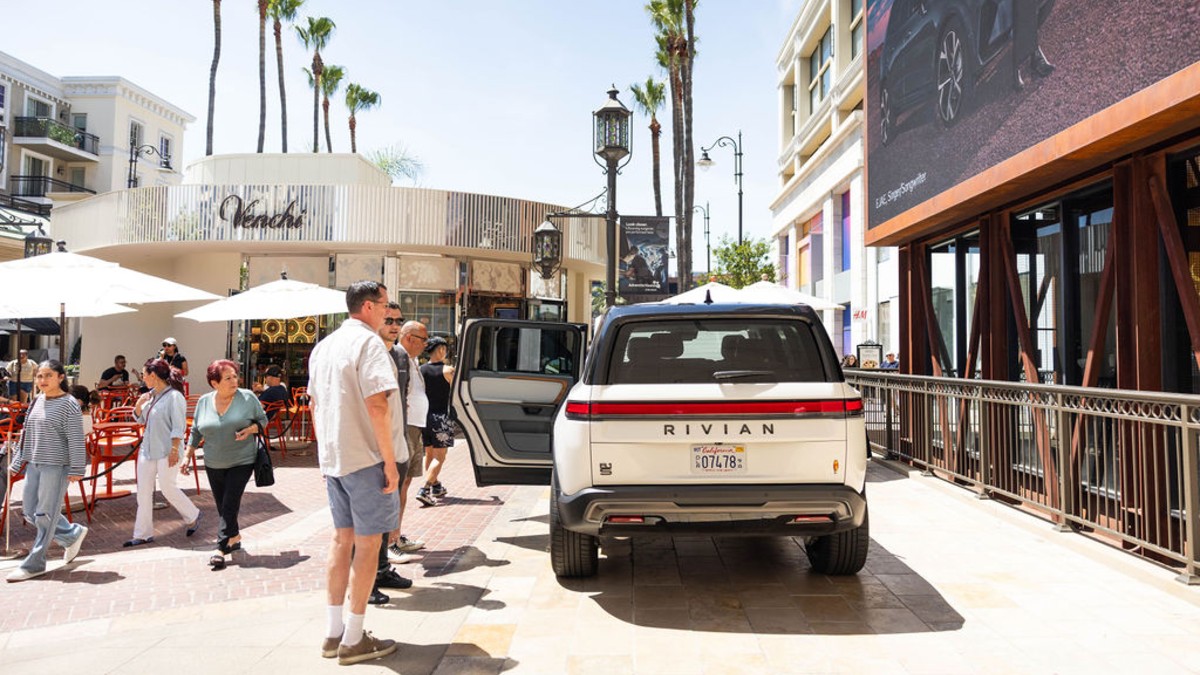
Rivian cut hundreds of workers this week, representing less than 2% of its total workforce. The layoffs targeted service and customer-facing teams including sales and marketing divisions.
The timing lands just one week after Rivian began R2 deliveries, the compact electric SUV the company positioned as its path to volume production and profitability. The R2 starts at $35,000 and represents Rivian's most affordable model to date. It competes directly with Tesla's Model Y and upcoming vehicles from legacy automakers pivoting to electric powertrains.
Rivian has never posted a profitable quarter. The company burned through cash during development of the R1T pickup truck and R1S three-row SUV, both premium vehicles that failed to generate the sales volume needed to offset production costs. The R2 launch signals a strategic pivot toward mass-market customers with tighter budgets.
The service and marketing cuts suggest Rivian is consolidating operations to extend runway while ramping R2 production. Customer-facing roles typically carry higher overhead than manufacturing positions. By trimming these departments, the company reduces operational burn while maintaining production capacity for the vehicle it expects to drive future growth.
The layoff timing appears counterintuitive to outside observers. Typically, automakers ramp up sales and marketing when launching critical new models. However, Rivian likely determined it could reach early R2 buyers through existing channels and brand awareness without maintaining bloated customer service infrastructure during the capital-intensive production ramp phase.
Wall Street watches Rivian closely as a barometer for EV startup viability. The company has faced skepticism since its 2021 IPO over whether it could achieve manufacturing scale and profitability before capital reserves depleted. These cuts indicate management believes efficiency gains matter more than aggressive customer acquisition during this critical phase.
The R2's sub-$40