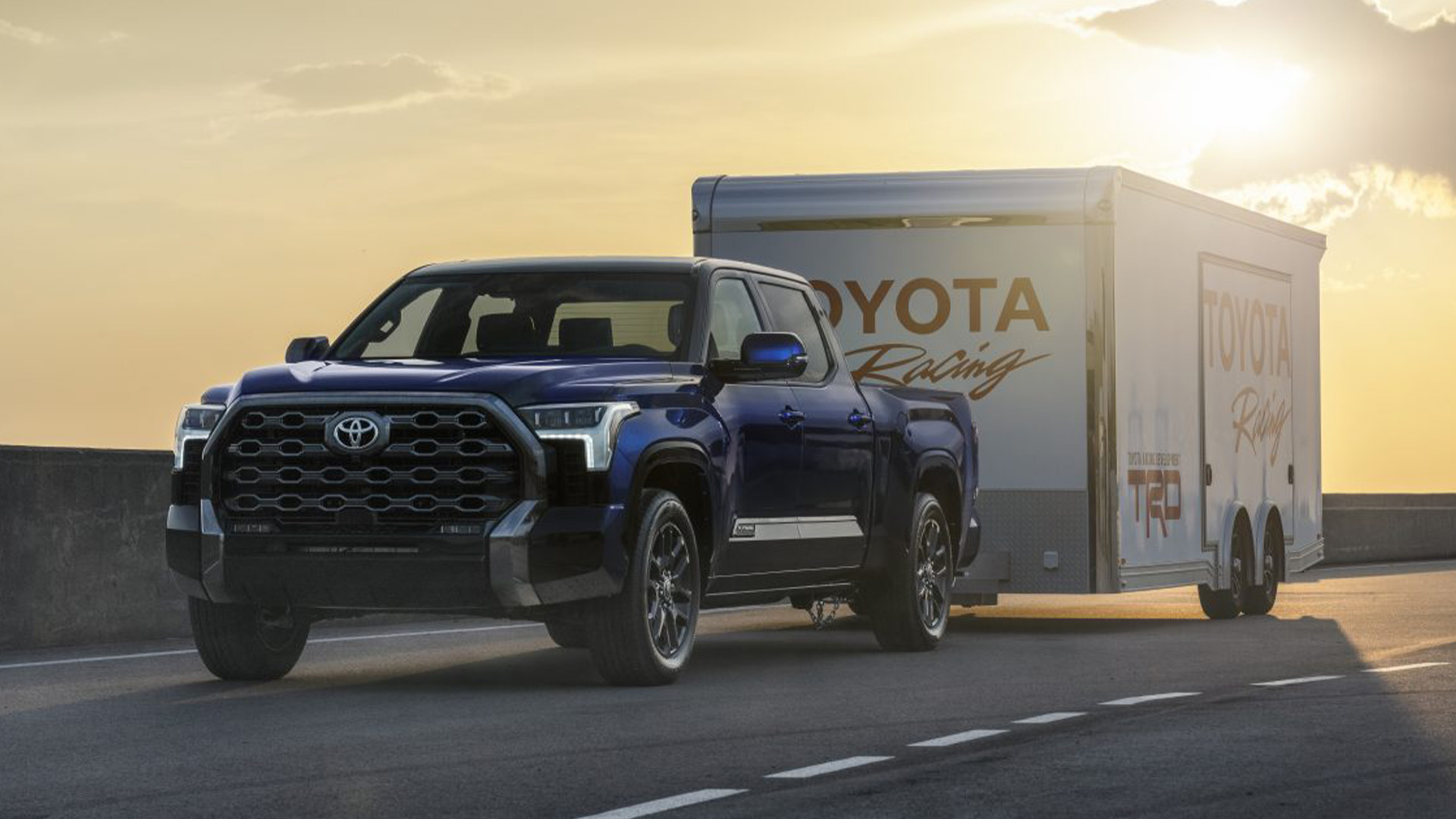
Toyota is addressing a recall on its Tundra pickup truck V6 engines with a software-based approach rather than replacing all affected units, triggering frustration among owners facing potential engine failure.
The automaker recalled certain Tundra models equipped with its 3.5-liter twin-turbocharged V6 due to faulty piston rings that can cause excessive oil consumption and catastrophic engine damage. Rather than conducting blanket engine replacements across all recalled vehicles, Toyota will deploy software diagnostics to monitor individual trucks and determine which ones actually require new powerplants.
This selective strategy works as follows. Toyota's software monitors engine parameters and oil consumption rates in real time. Only trucks showing genuine degradation will qualify for replacement engines. The company argues this approach prevents unnecessary work on vehicles without actual defects while reserving resources for trucks in genuine distress.
Owners dispute this logic. Many argue they purchased trucks with faulty components and deserve new engines regardless of current performance data. They contend that waiting for catastrophic failure before replacing engines is unacceptable for a $50,000-plus vehicle. Social media complaints indicate widespread dissatisfaction with Toyota's refusal to offer proactive replacements.
Toyota counters that most recalled Tundras operate normally despite the defect. The automaker maintains that monitoring software catches problems early, preventing roadside breakdowns. Replacing every engine would waste resources and materials on vehicles that may never experience failure.
The recall primarily affects 2022 and 2023 Tundra models built before a manufacturing fix was implemented. Toyota sold thousands of these trucks, making a universal replacement program expensive and logistically complex.
This situation reflects broader tension in automotive recalls. Manufacturers increasingly rely on data-driven approaches to target remedies, while consumers expect traditional solutions like replacement parts. Toyota's software-first strategy may set precedent for future recalls, but