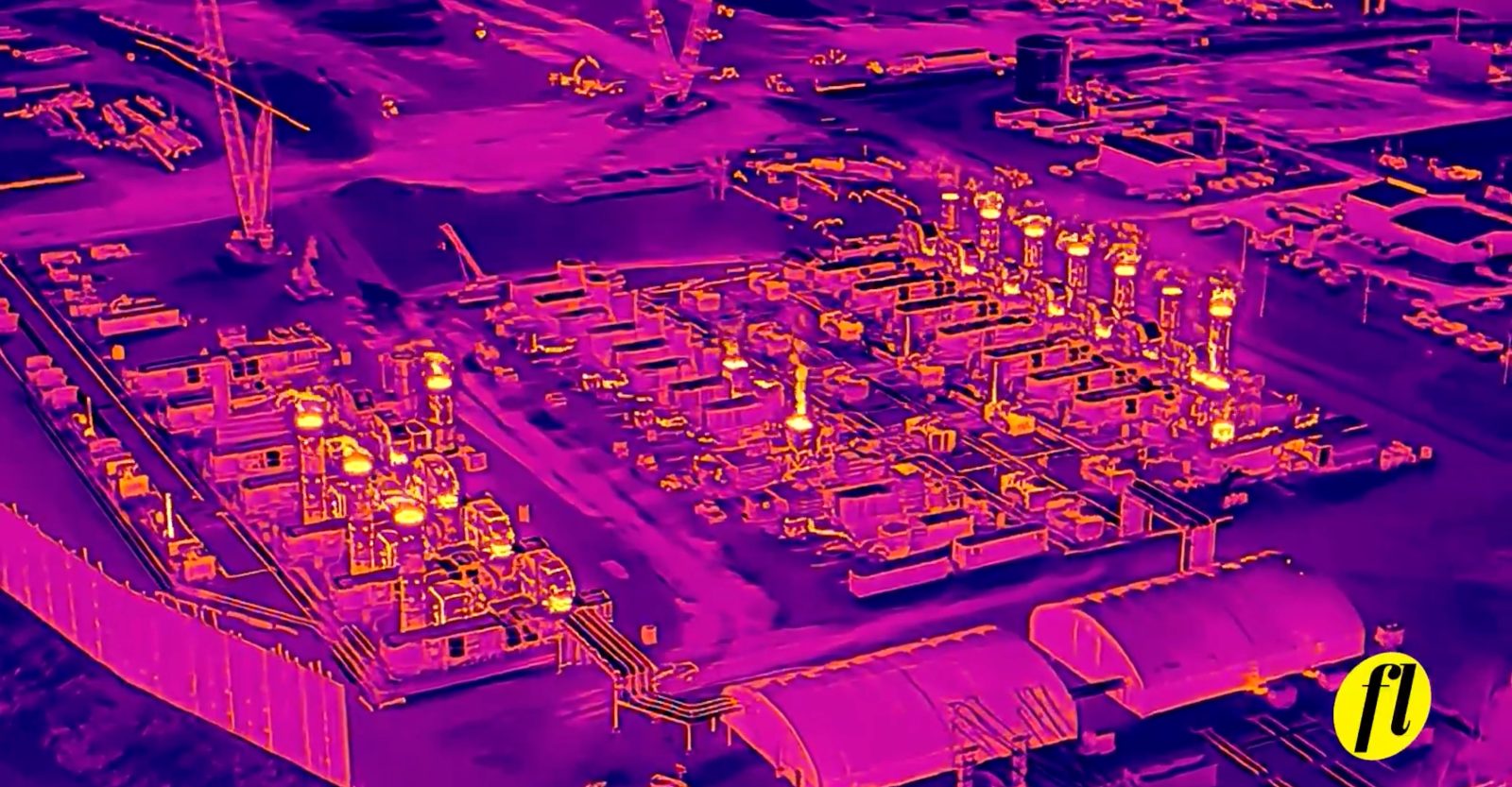
The Trump administration's Department of Justice moved to dismiss a Clean Air Act lawsuit targeting Elon Musk's xAI facility near Memphis, claiming the company's unpermitted gas turbines serve national security and energy interests. The filing positions the DOJ alongside Musk to defend dozens of methane-burning generators operating without required air permits in a region already burdened by significant pollution.
xAI operates the turbines to power its Colossus supercomputer complex, which the company built to support its artificial intelligence development. The facility has run these generators without obtaining proper air quality permits from the Environmental Protection Agency or state regulators. The lawsuit, brought under the Clean Air Act, challenges this operational status.
The DOJ's intervention reflects the Trump administration's prioritization of energy independence and domestic AI capabilities over environmental enforcement. By framing the turbines as matters of national security, federal prosecutors argue the courts should defer to executive judgment on the facility's necessity.
Memphis sits in Shelby County, one of America's most polluted areas with chronic air quality violations. The addition of dozens of unpermitted industrial turbines adds to an already strained environmental baseline. Local residents and environmental groups challenged xAI's operation, triggering the litigation.
This case highlights the tension between AI infrastructure demands and Clean Air Act compliance. Data centers and AI training facilities consume massive amounts of electricity, often requiring backup power generation. Musk's operations frequently clash with environmental regulations. SpaceX facilities face similar battles over rocket launch impacts, while Tesla manufacturing plants have faced air quality complaints.
The DOJ's position essentially argues that xAI's computational needs supersede permit requirements designed to protect public health. Whether federal courts accept this national security framing remains unclear. The Clean Air Act provides citizens the right to challenge unpermitted emissions, and judges must weigh that statutory protection against executive claims of energy security.