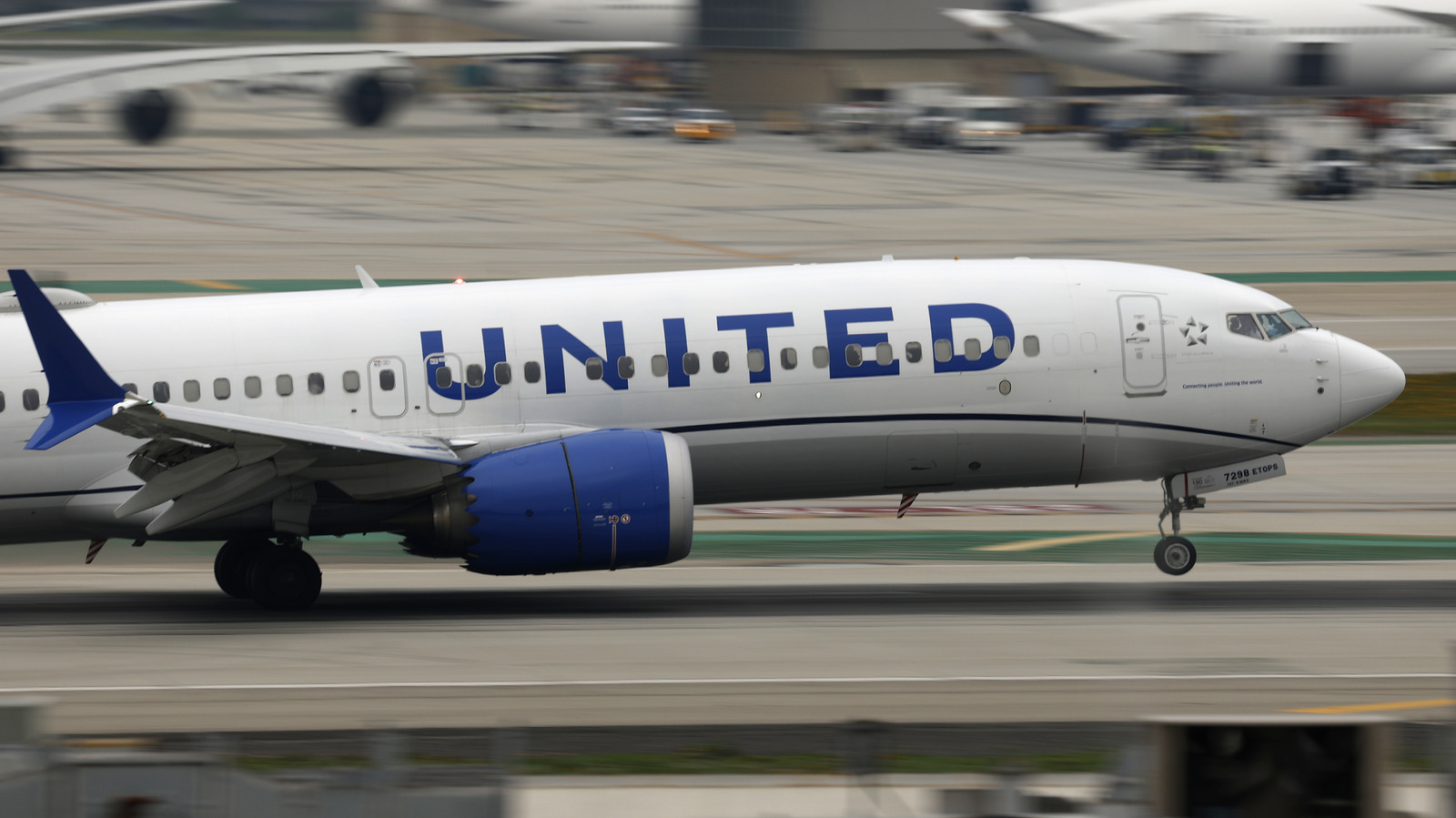
United Airlines left a World Cup commentary team stranded more than 200 miles from their destination at 3 AM, a travel mishap that highlights the operational struggles plaguing major U.S. carriers. The incident, reported by Jalopnik, underscores how airline failures extend beyond routine delays into genuine service failures.
The team faced a cascading problem typical of modern airline operations. A flight issue forced a diversion, leaving passengers at an airport far from their intended arrival city with minimal support or communication. Being stranded at 3 AM compounds the problem—no ground transportation readily available, hotels already full, rental car agencies closed. For a commentary team with broadcast obligations, missing their destination becomes a career-threatening problem, not just an inconvenience.
United's handling of the situation reflects systemic issues across legacy carriers. After decades of consolidation, the Big Three U.S. airlines operate on razor-thin margins with minimal buffer capacity. When disruptions occur, the system collapses. Weather, mechanical issues, or crew availability ripple through entire networks within hours. Ground crews are stretched thin. Customer service lines jam. Passengers absorb the chaos.
This incident matters because it reveals what passengers already know. Airlines prioritize aircraft utilization and revenue over service resilience. Overbooking, tight crew scheduling, and reduced staffing maximize profits but eliminate flexibility. When something goes wrong, passengers pay the price—literally and figuratively.
The World Cup commentary team's situation differs only in degree from what countless business travelers and families endure annually. The stranding happened at an inconvenient hour with an important deadline. Most passengers lack leverage or media attention to publicize their problems. United's operational failures continue largely unchecked because regulatory oversight remains weak and consumer alternatives remain limited on most routes.
For business travelers and anyone with tight connections, the lesson is clear. Build redundancy into travel plans.