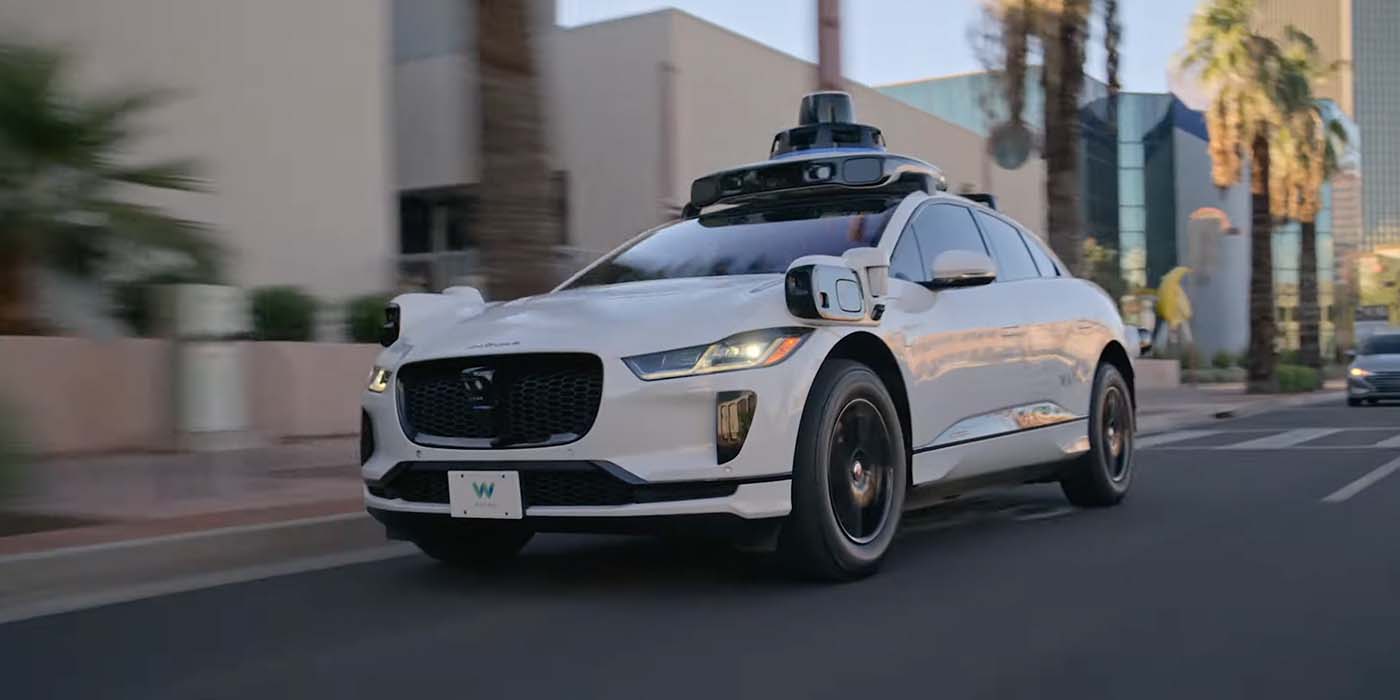
Waymo partners with Element Fleet Management to handle charging, maintenance, and fleet operations as it scales its driverless taxi service across new markets. Element, a major fleet management specialist, will support Waymo's expanding robotaxi network, handling the logistics and upkeep that autonomous vehicles demand.
This deal signals how Waymo approaches growth. Rather than build internal fleet operations from scratch in each new city, Waymo taps established infrastructure experts. Element operates tens of thousands of vehicles globally and manages charging networks, maintenance schedules, and vehicle lifecycle management. That expertise translates directly to keeping Waymo's Jaguar I-PACE robotaxis running reliably.
The partnership matters because autonomous ride-hailing succeeds only when vehicles spend maximum time earning money. Downtime for charging or repairs cuts revenue. Element handles exactly this problem for traditional fleets. Now it does the same for driverless cars entering San Francisco, Phoenix, Los Angeles, and other markets where Waymo operates.
Waymo operates roughly 700 driverless vehicles today, mostly Jaguar I-PACE models equipped with its custom sensor suite. Expansion plans target new cities in 2025. Each market requires local charging infrastructure, service centers, and compliance with regional regulations. Element's existing footprint and vendor relationships accelerate that rollout.
This approach reflects industry reality. Autonomous vehicle companies focus on the self-driving software and hardware. Fleet operations represent a different skill set entirely. Companies like Uber and Lyft rely on driver partners who handle their own cars. Waymo owns its fleet, so it needs operational expertise that Element provides.
The robotaxi sector remains immature and capital-intensive. Waymo has raised billions from investors including Google, Alphabet, and SoftBank. Partners like Element lower the per-market cost of expansion. They also reduce execution risk by bringing proven operational