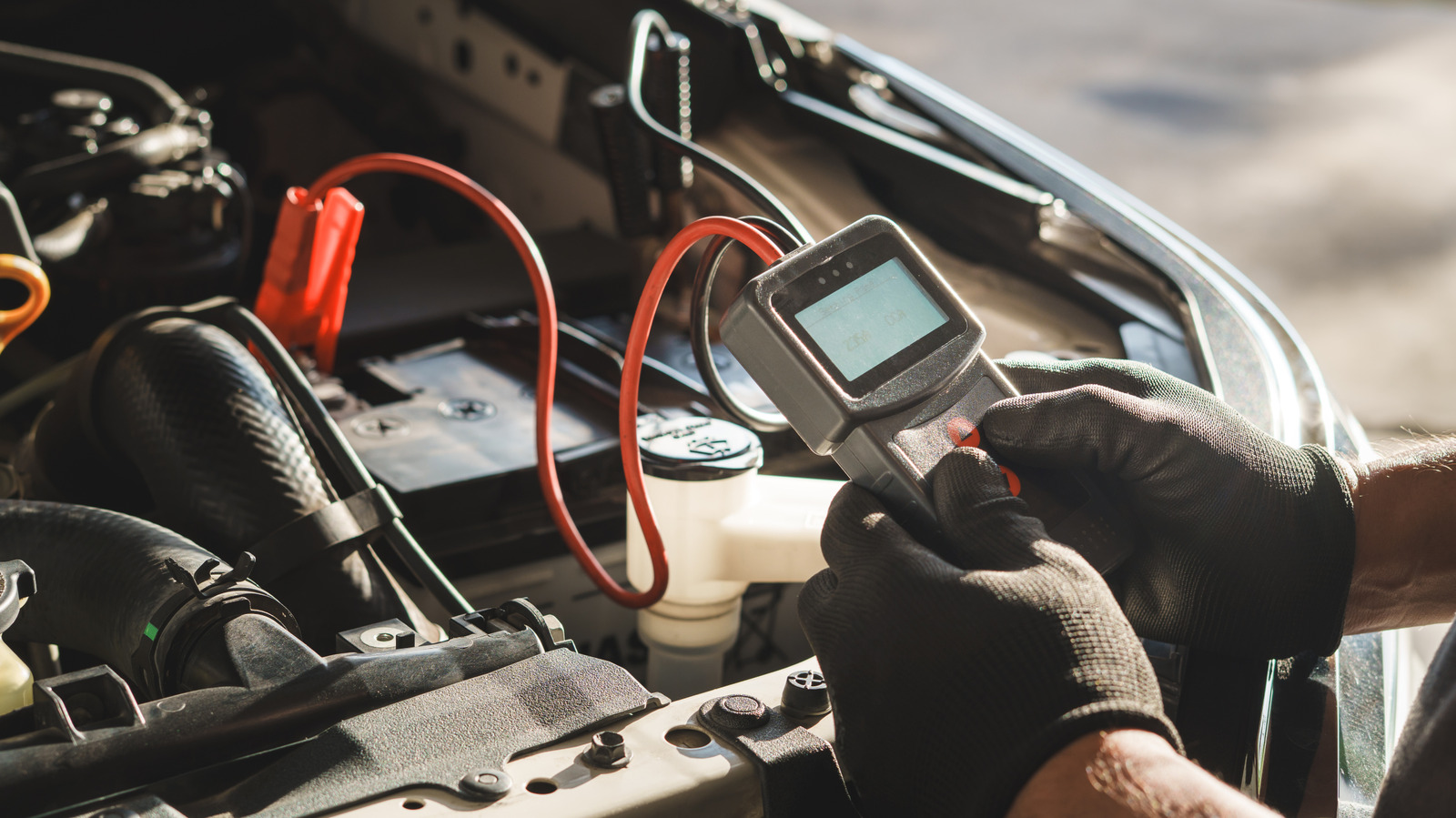
Engine ground straps complete the electrical circuit between the engine block and the vehicle's chassis or battery negative terminal. Without them, electrical current has no return path, leaving your car unable to start or operate properly.
These straps carry high amperage during engine cranking. When an engine starter motor engages, it can draw 200 to 400 amps from the battery. That current must flow through the starter, through the engine block, and back to the battery. The ground strap provides that return route. Corrosion or loose connections at either end of the strap create resistance that blocks current flow.
A failed ground strap produces obvious symptoms. Your engine won't crank despite a strong battery. Electrical systems malfunction. Lights flicker or dim unexpectedly. You may experience hard starts or complete no-start conditions.
Ground straps corrode from engine heat, vibration, and moisture exposure. The strap itself, typically braided copper or aluminum, degrades over years of use. Connection points where the strap bolts to the engine block and chassis accumulate oxidation that increases electrical resistance.
Maintenance requires visual inspection during routine service. Look for loose bolts, visible corrosion, or frayed strands on the strap itself. Clean corroded connection points with a wire brush. Tighten bolts to manufacturer specifications. Replacement straps cost between 50 and 200 dollars depending on the vehicle, plus labor.
Neglecting ground strap maintenance eventually leaves you stranded. A failing strap taxes your battery and alternator as they struggle to compensate for increased resistance. Modern vehicles with multiple electrical systems and sophisticated engine computers depend even more heavily on clean, low-resistance grounds. That simple copper strap delivers more than aesthetics. It delivers reliability.