The Interior Department entered into an illegal agreement with a gas company that effectively subsidizes fossil fuel development while blocking offshore wind projects, according to allegations in this report. The arrangement amounts to roughly a billion dollars in taxpayer benefits directed toward the gas company, while simultaneously starving the U.S. grid of cheap, clean wind generation capacity.
The core issue centers on a fundamental conflict of interest. The agreement prioritizes gas infrastructure over renewable energy development on federal lands and waters. This creates a direct financial incentive for the gas company to oppose wind projects that would compete with its operations and reduce demand for natural gas power generation.
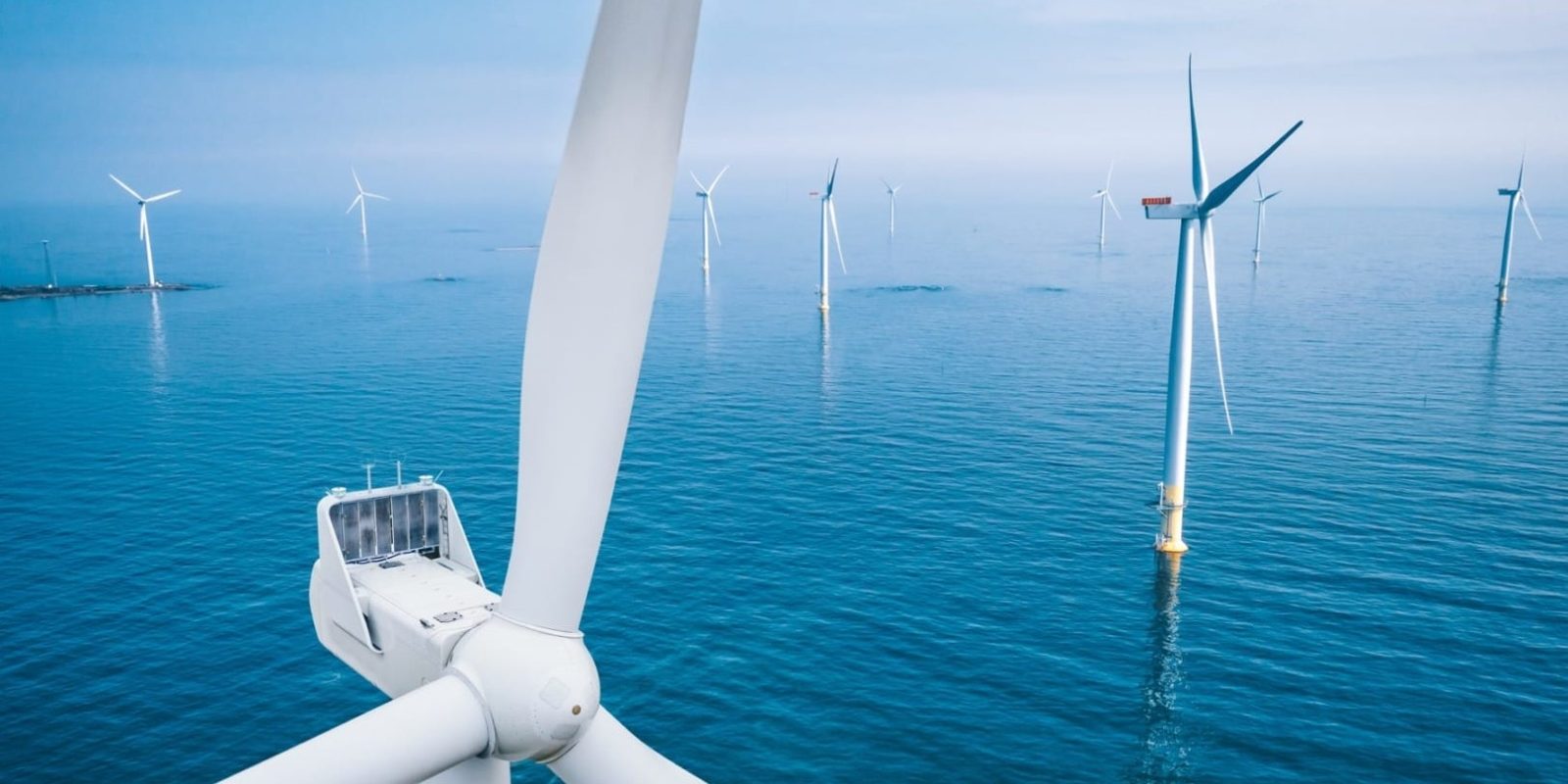
Offshore wind has emerged as a critical component of America's energy transition. Projects like Vineyard Wind demonstrate the technology's viability on the East Coast, with utility-scale turbines delivering consistent, dispatchable power. Yet regulatory favoritism toward gas companies systematically undermines wind deployment.
The billion-dollar value comes from multiple vectors. Tax incentives, lease preferences, infrastructure subsidies, and operational advantages accumulate into substantial public investment supporting natural gas. Meanwhile, wind developers face lengthy permitting processes, geological surveys, and interconnection delays that increase project costs and timelines.
This arrangement contradicts stated climate commitments and energy independence goals. Higher electricity prices follow directly from reduced wind supply and continued reliance on gas-fired generation with volatile fuel costs. Consumers bear the burden through elevated utility bills while taxpayers fund the subsidy structure.
The legality question turns on whether Interior Department officials possessed authority to enter such arrangements without congressional approval. Statutory constraints on executive branch deals with private companies may have been violated, creating grounds for legal challenge.
The precedent matters enormously. If this agreement stands unchallenged, similar arrangements can proliferate across other agencies, systematically tilting energy policy toward fossil fuels through executive action rather than legislative debate. Grid reliability, electricity affordability, and climate objectives all suffer