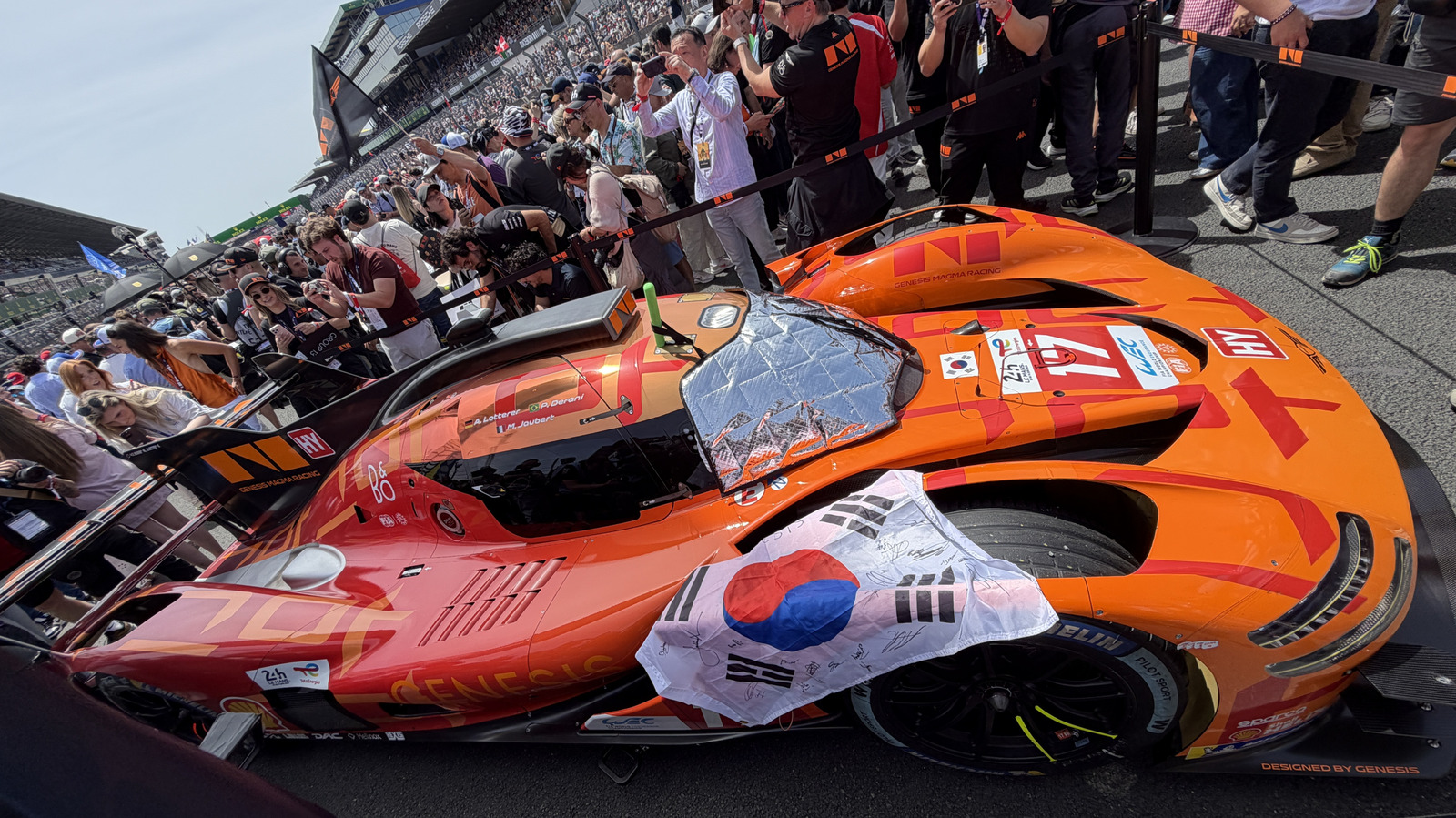
Genesis Magma Racing completed the 2026 24 Hours of Le Mans, marking a remarkable achievement for the Korean manufacturer's fledgling factory racing program. The team finished the grueling endurance classic, only their third official race, demonstrating serious commitment to competitive motorsport.
Le Mans remains one of racing's most unforgiving tests. Completing the 24-hour distance requires mechanical reliability, driver stamina, and flawless pit strategy. Most new teams struggle mightily with debut efforts. Genesis Magma Racing avoided that trap. The effort underscores Hyundai Motor Group's broader motorsport ambitions beyond road cars.
Genesis traditionally positioned itself as Hyundai's luxury brand, competing against BMW, Mercedes-Benz, and Audi. Factory racing programs build brand prestige and test mechanical innovation under extreme stress. The Le Mans entry reflects deeper ambitions than marketing optics alone. Finishing Le Mans on just your third race shows engineering competence and organizational rigor.
The 24-hour distance separates serious manufacturers from dilettantes. Porsche, Ferrari, Lamborghini, and Corvette have all invested heavily in Le Mans programs. Success builds marketing currency and validates engineering claims. Genesis Magma Racing's completion speaks to the team's preparation and the underlying strength of Hyundai Group's engineering talent.
Completing Le Mans doesn't guarantee future victories. The team still faces battles against established competitors with decades of experience. But finishing the race proves Genesis took their racing program seriously from day one. Most ambitious manufacturers stumble through their early seasons with DNFs and mechanical failures.
For Korean automotive industry observers, this represents another milestone. Hyundai has climbed from economy car maker to genuine competitor in global markets. A successful racing program amplifies that narrative. Motorsport success translates directly to showroom cred