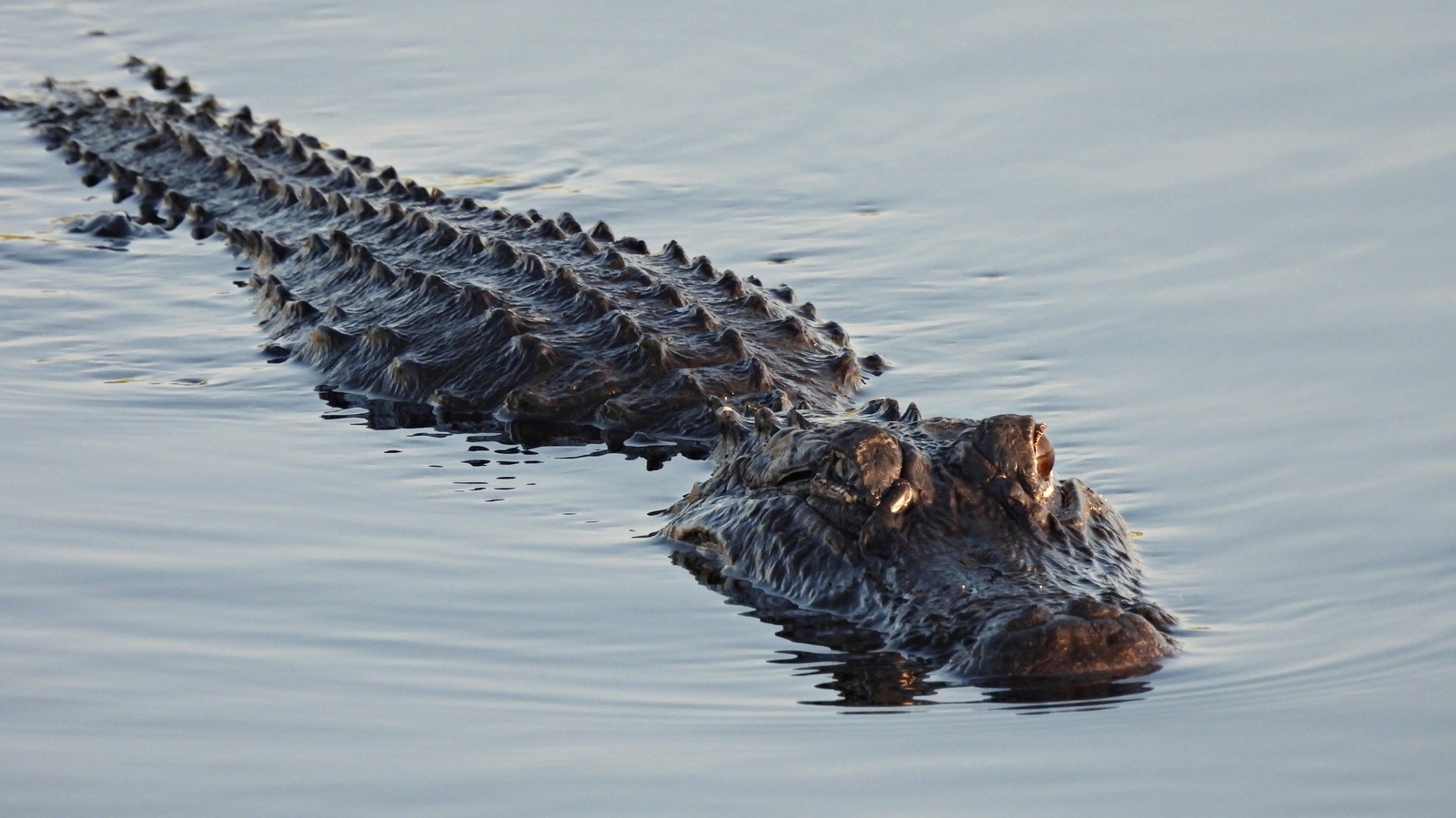
A DWI suspect's escape attempt in Florida ended when a wild alligator intervened. The driver crashed a Toyota Supra into a concrete barrier on the highway, then fled into a nearby swamp. The alligator attack slowed the suspect enough for law enforcement to make the arrest.
This incident underscores the unpredictability of high-speed pursuits and their outcomes. The Supra, a high-performance sports car capable of 165 mph, became irrelevant once the driver abandoned it. The crash into the barrier likely disabled the vehicle, forcing the suspect to run.
Swamps present obvious hazards beyond law enforcement. Florida's Everglades and similar wetland areas harbor numerous alligators, particularly in warmer months. Most wildlife experts warn against entering these areas on foot, especially at night or in states of panic.
DWI arrests involving sports cars reflect a broader pattern in traffic enforcement. High-horsepower vehicles like the Supra appeal to drivers seeking thrills, but that same performance makes them dangerous when operated under the influence. The National Highway Traffic Safety Administration reports that impaired driving remains a leading cause of fatal crashes.
The Supra represents Toyota's re-entry into the pure sports car market after a 21-year hiatus. Its inline-six turbo engine produces 382 horsepower and 368 pound-feet of torque. While legitimate owners use the car responsibly on track days and spirited drives, the platform attracts some buyers drawn to its speed and relatively affordable entry point for Japanese performance cars.
This particular case adds a comedic footnote to an otherwise serious situation. Property damage, potential injuries, and criminal charges all stem from impaired driving. The alligator, acting on instinct in its native habitat, performed what amounts to an unintentional assist to law enforcement.
The takeaway remains