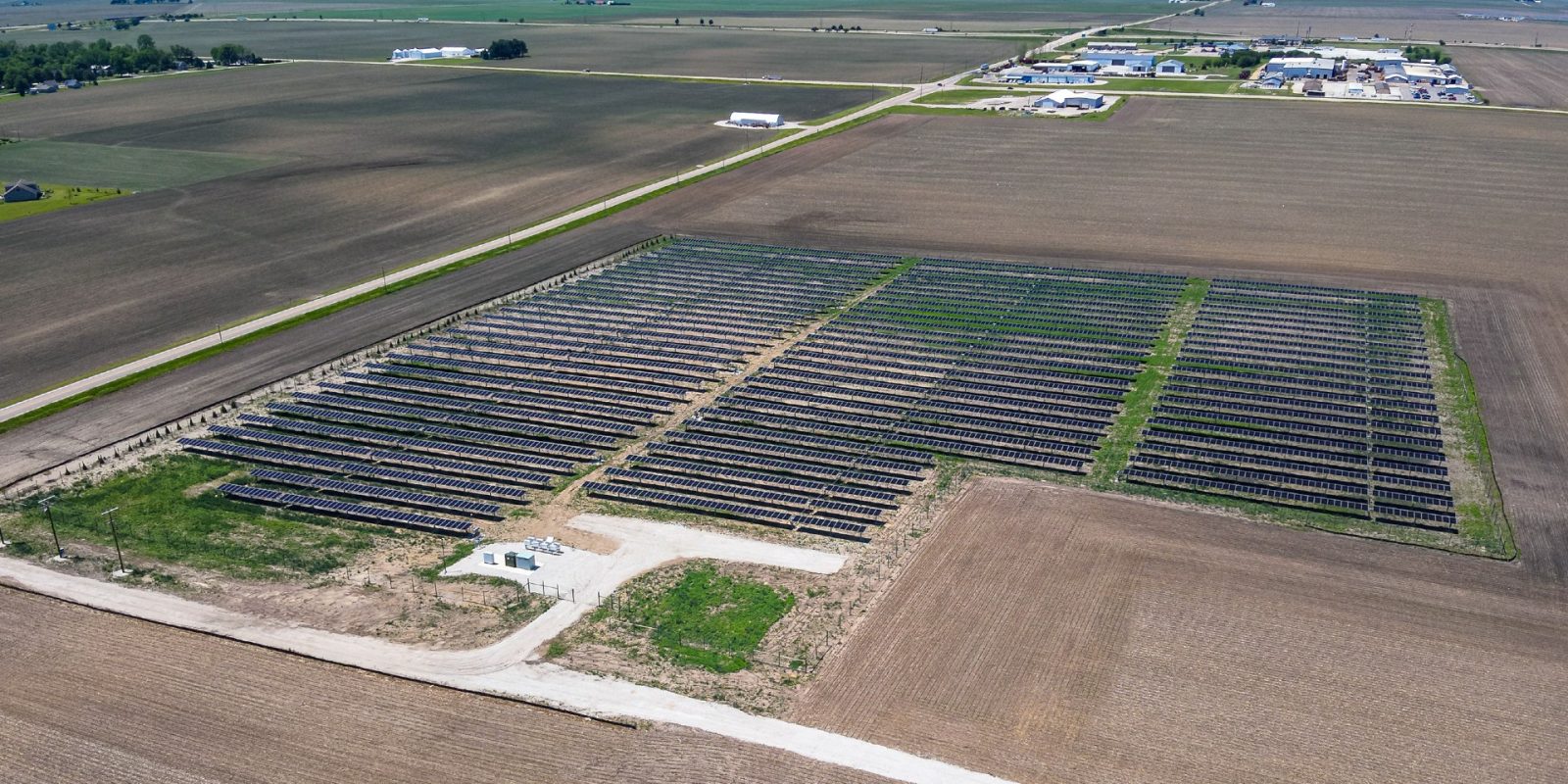
Illinois transforms a shuttered coal mine into productive renewable energy infrastructure. Developer Nexamp installed a community solar project on the former mining site, creating distributed clean power for hundreds of local households and businesses without requiring rooftop installations.
The project reflects a broader industry shift toward repurposing legacy fossil fuel infrastructure for clean energy generation. Coal mining operations across the Midwest have faced declining economics, leaving behind large tracts of available land. Rather than leaving these sites dormant, developers now recognize the financial and environmental advantage of converting them to solar farms.
Community solar models differ from traditional residential solar. Instead of individual homeowners installing panels, a centralized solar array distributes power and credits to multiple subscribers through the grid. This approach opens renewable energy access to apartment dwellers, renters, and customers without suitable rooftops. Illinois has established favorable policy frameworks supporting community solar deployment, making it an attractive market for developers.
The former coal mine conversion demonstrates land reclamation that benefits both economics and emissions reduction. Solar installations require minimal ongoing ground disturbance compared to mining operations. The site's size and existing electrical infrastructure reduce development costs and interconnection complexity.
For Illinois utilities and ratepayers, the project expands renewable generation capacity while supporting local workforce transition. Communities dependent on coal mining jobs face economic headwinds as the industry contracts. Solar development creates construction jobs and ongoing maintenance positions, though typically fewer permanent roles than mining provided.
This trend accelerates across coalfield regions. Similar projects emerge in West Virginia, Pennsylvania, and other traditional coal states. Energy developers target these sites because they already connect to electrical grids, possess workforce experience in heavy industrial projects, and face minimal regulatory resistance from communities seeking economic alternatives.
The conversion model works best on flatter, already-disturbed mining land. Appalachian strip mines with steeper terrain present greater challenges. Illinois' relatively accessible sites position the state as a model for other regions exploring post-