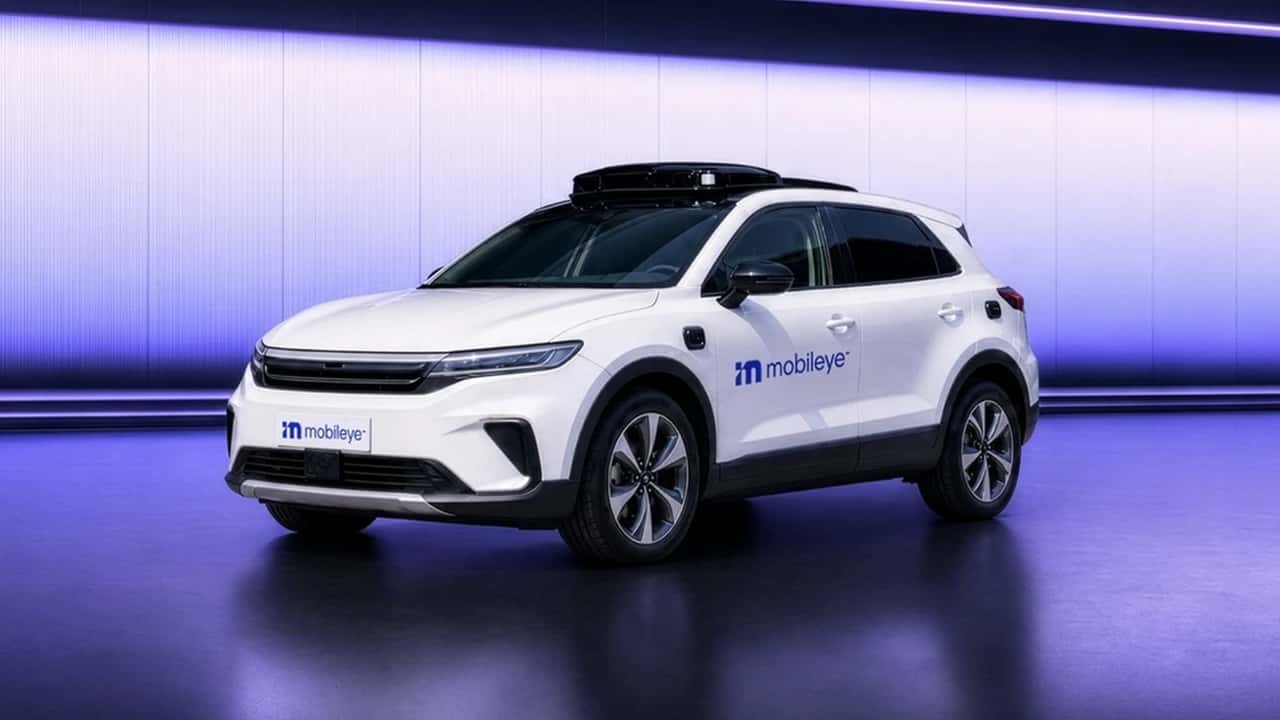
Intel's Mobileye, the autonomous driving technology supplier, is entering the robotaxi market directly with its own fleet in the United States. The move marks a strategic shift for the company, which has primarily supplied self-driving software and hardware to other manufacturers.
Mobileye's technology already powers Volkswagen's MOIA robotaxi service in select European cities. The company developed a proprietary autonomous driving stack that handles perception, decision-making, and vehicle control without relying on high-definition maps in the same way competitors like Waymo do. This approach reduces operational complexity and cost.
By launching its own U.S. robotaxi fleet, Mobileye transforms from a pure-play supplier into a direct competitor against Waymo, Cruise, and traditional rideshare operators preparing autonomous options. The move tests whether its technology can achieve commercial viability in American markets while simultaneously licensing that same tech to partners like Volkswagen.
This dual strategy carries risk. Mobileye must prove its autonomous system works reliably in complex U.S. traffic while maintaining customer relationships with manufacturers who now compete against Mobileye's own service. The company faces regulatory hurdles across multiple states and the challenge of building fleet operations and customer service infrastructure.
The timing reflects confidence in Mobileye's technology maturity. Intel has invested heavily in autonomous systems since acquiring Mobileye in 2017 for $15.3 billion. The company believes it can compete on both the technology-supply and service-operator fronts.
Mobileye's entry intensifies competition in the robotaxi space. The market remains unprofitable for most operators, with Waymo achieving limited profitability only in Phoenix. Mobileye's hardware-light approach using consumer-grade cameras and compute could offer cost advantages over competitors relying on expensive lidar systems, though this advantage remains un