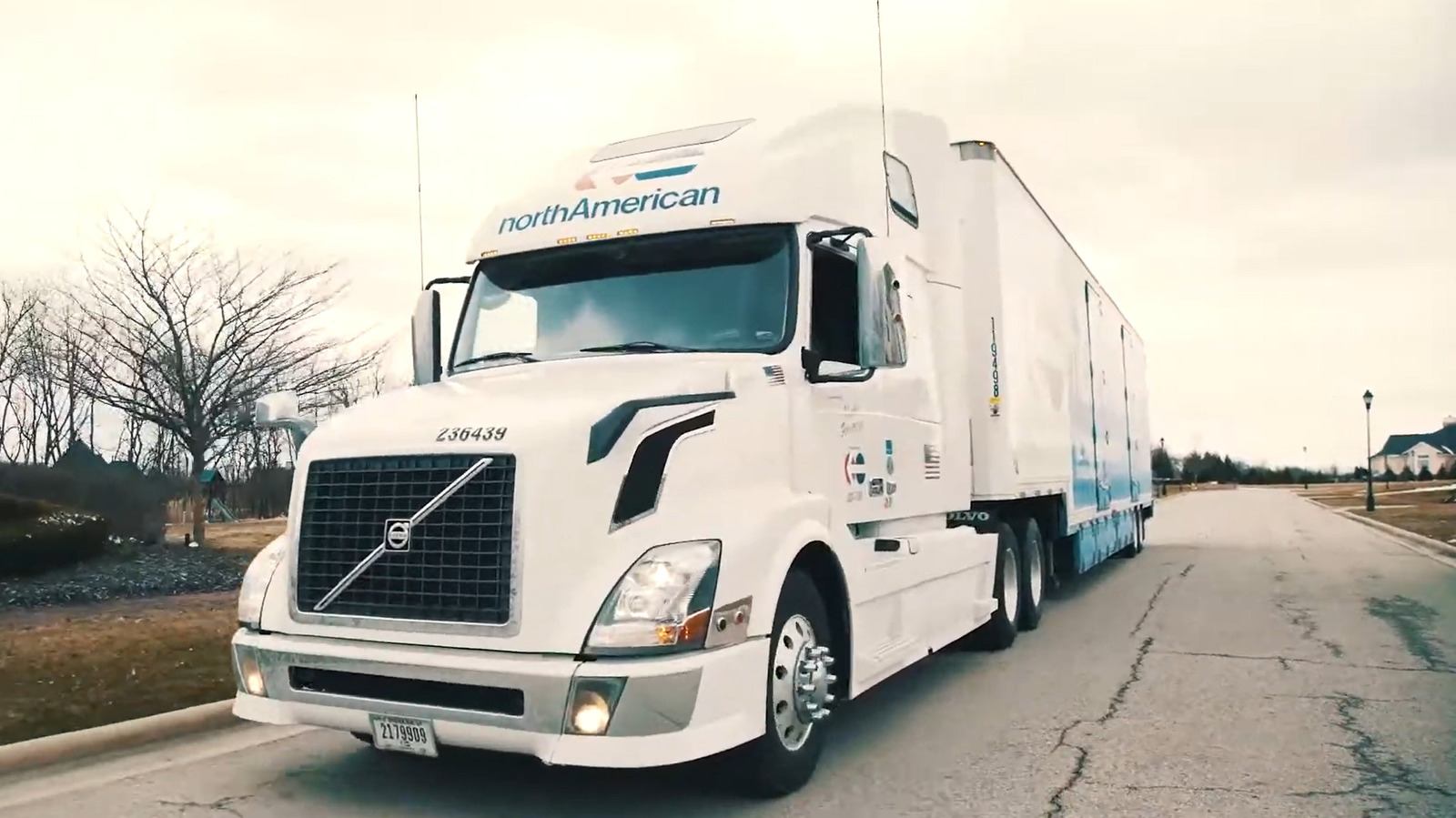
J.B. Hunt Transport Services, founded in 1961, claims the title of America's oldest trucking company, but this story highlights an even older operation. One African-American-owned trucking enterprise predates the automobile itself, operating since 1896, five years before Karl Benz built the first practical motorcar in 1901.
The company runs a modest but operational fleet of 45 trucks and employs 75 workers, maintaining its independent status in an industry dominated by massive carriers like J.B. Hunt, Swift Transportation, and Schneider National. Those giants operate fleets exceeding 20,000 vehicles. This smaller outfit represents a rarity in modern trucking, where consolidation has eliminated most family operations.
The trucking industry itself underwent radical transformation since this company's founding. Early operations relied on horse-drawn wagons for freight. The shift to motorized vehicles happened gradually through the 1920s and 1930s. Interstate commerce regulation, introduced in 1935, fundamentally reshaped the business. Modern trucking faces pressures from driver shortages, fuel costs, electronic logging device mandates, and increasingly, autonomous vehicle development.
This company's longevity reflects both resilience and the challenges facing independent operators. African-American business ownership in trucking remains underrepresented. Barriers to entry include expensive equipment purchases, insurance requirements, and fuel costs that strain cash flow. Owner-operators typically struggle against larger carriers that absorb losses through diversified revenue streams.
The company's 45-truck operation positions it as a regional carrier rather than a national force. That scale allows flexibility that massive fleets lack, but limits bargaining power with shippers. Rates, fuel costs, and driver retention remain constant battles.
This operation's survival into the 2020s demonstrates staying power in an unforgiving sector. Most trucking companies fail within five