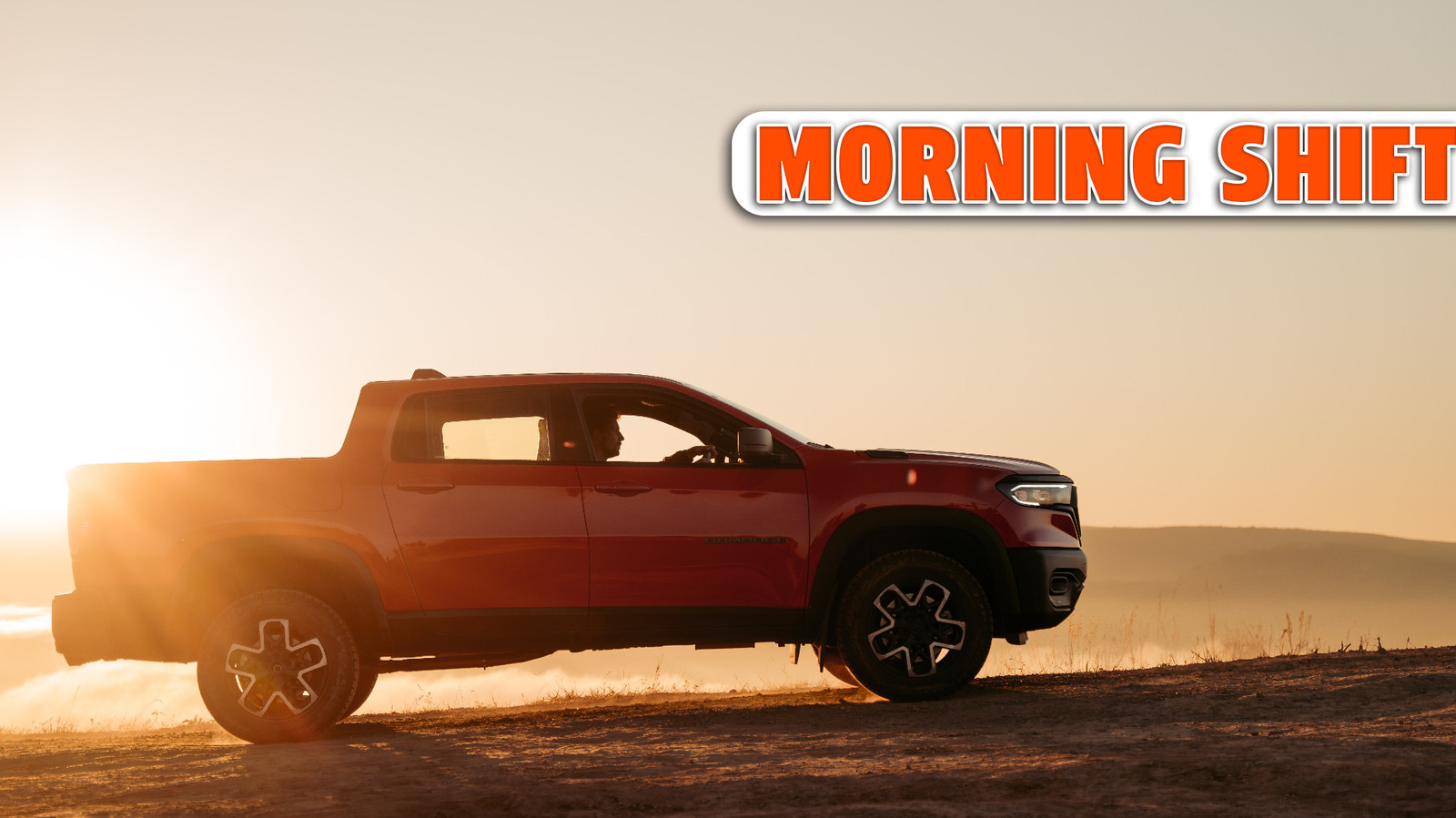
Stellantis plans to boost truck sales across its portfolio, capitalizing on the segment's enduring profitability and consumer demand. The automaker controls multiple truck brands including Ram, Jeep, and commercial operations through its global footprint, positioning it to capture more market share in a category that consistently delivers strong margins.
The strategy aligns with industry trends. Pickup trucks and large SUVs remain the profit engines for Detroit automakers despite rising competition from electric vehicles. Ram truck sales have performed well, and Stellantis sees opportunity to expand its lineup and market penetration. The company manufactures everything from heavy-duty commercial vehicles to consumer trucks, giving it leverage across price points and use cases.
Separately, Waymo issued a significant recall affecting its autonomous robotaxi fleet. The self-driving company recalled vehicles over a software issue affecting driving performance and safety protocols. Waymo operates in select markets with its driverless taxi service, and any fleet-wide issue demands immediate remediation to maintain public trust and regulatory standing. The recall underscores the rigorous safety standards autonomous vehicle operators must meet, even at smaller scale than traditional automotive manufacturers.
Used-car dealers face another headwind. Inventory levels remain tight despite some stabilization in pricing. Dealers report working around constrained supply through alternative strategies. Some expand CPO (certified pre-owned) programs, others increase financing options or adjust pricing to move available stock faster. Many also pivot toward trade-in acquisition programs to bolster their lot supply. These moves reflect persistent supply-demand imbalances in the used market, where supply still lags behind buyer interest in many segments.
The combination reveals three distinct automotive pressures. Stellantis pushes trucks because they print money. Waymo navigates the safety minefield of autonomous driving at scale. Used-car dealers scramble to fill lots when factory inventory remains constrained by chip shortages