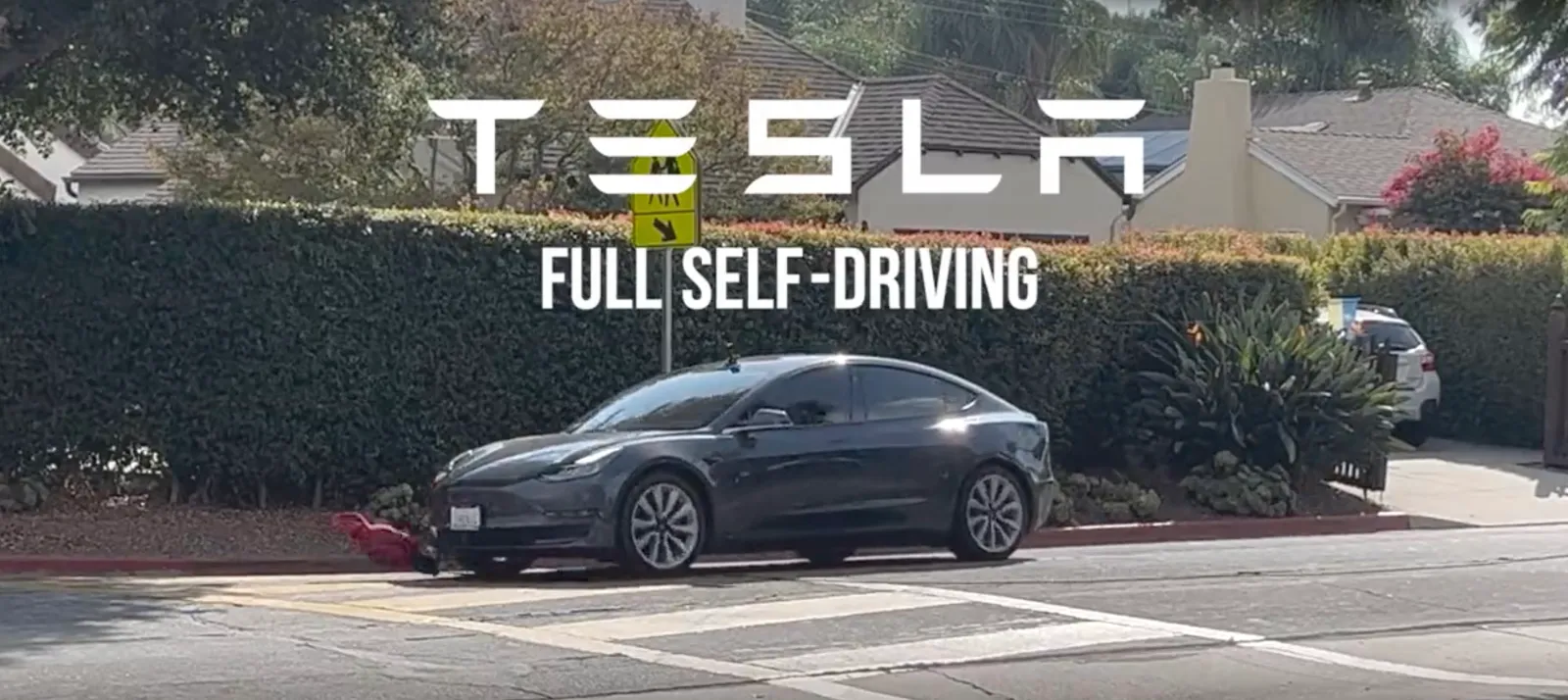
Tesla continues to expand Full Self-Driving capabilities while the system remains fundamentally unchanged from a regulatory standpoint. Elon Musk announced new features including parking preference memory and voice integration through Grok, Tesla's AI chatbot, positioning the system more like a conversational ride-hailing service than autonomous driving.
The distinction matters. FSD still requires active driver supervision. Owners keep their hands ready and eyes on the road. Tesla markets it as "Full Self-Driving," but regulators and safety experts classify it as Level 2 driver assistance, the same category as Chevrolet Super Cruise and BMW's iDrive. The gap between marketing language and technical reality has persisted for years.
Parking memory and Grok integration represent incremental polish. Remembering where you typically park your Model 3 or Model Y adds convenience. Voice commands through Grok let drivers navigate without touching the steering wheel or screen. These features appeal to owners seeking a frictionless experience. Neither pushes the technology toward true autonomy.
The real issue sits deeper. Tesla charged $12,000 to $15,000 for FSD on new vehicles, promising self-driving functionality that never materialized. Owners paid premium prices for a system that still demands constant attention. Meanwhile, Waymo operates fully driverless taxi services in San Francisco and Phoenix with no safety driver. General Motors' Cruise similarly deployed autonomous robotaxis before regulators halted operations following a pedestrian incident.
Tesla's approach differs fundamentally. Rather than pursuing controlled deployments in defined geographic zones, Tesla released FSD directly to consumer owners as beta software. This model generates valuable real-world driving data but blurs the line between development and service.
The parking and voice upgrades showcase genuine engineering progress. FSD handles highway merges, city streets, and complex intersections far better than it did two years