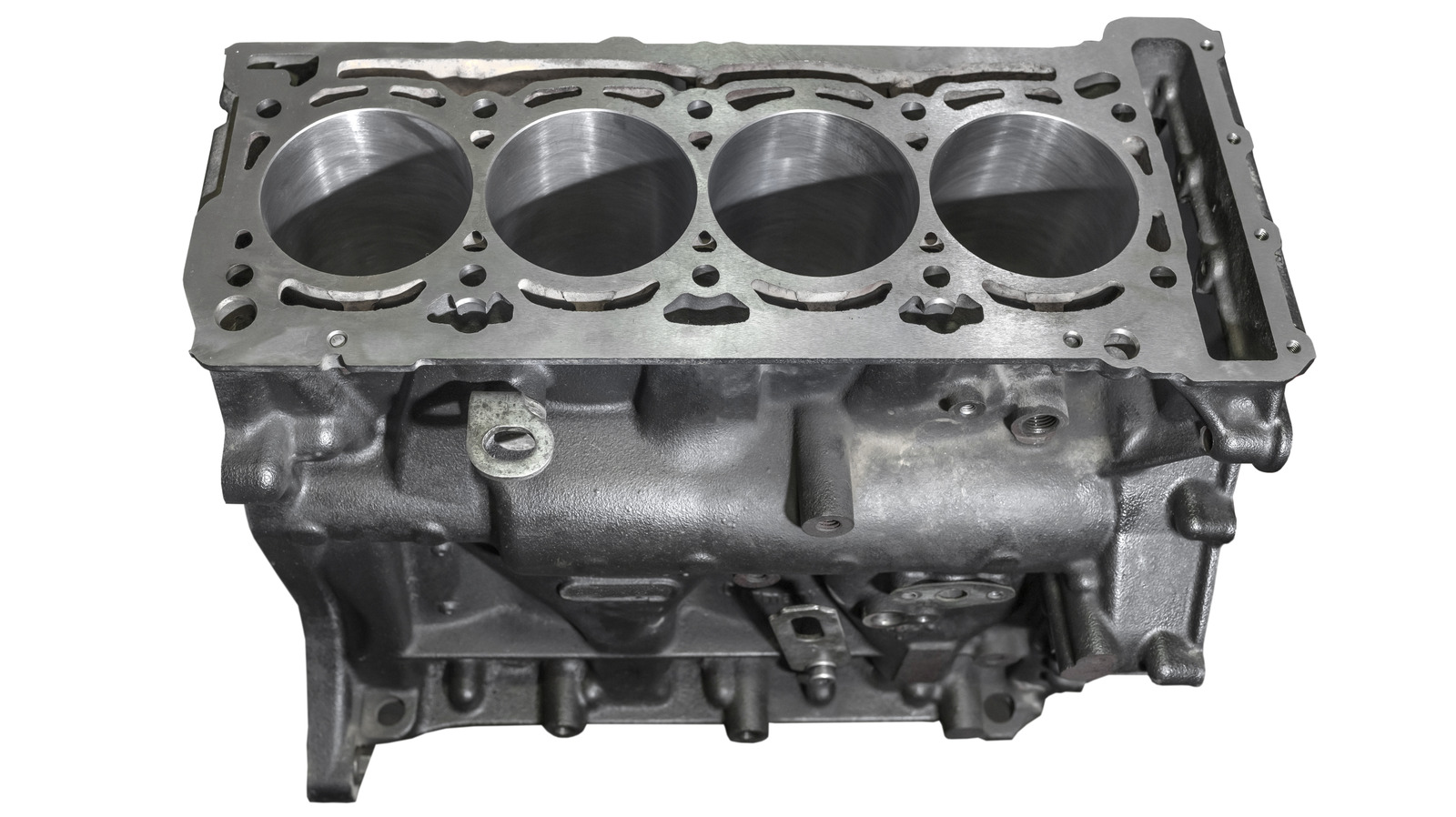
A cracked engine block ranks among the costliest repairs a vehicle owner faces, often totaling thousands of dollars or rendering the car economically unrepairable. Identifying the problem early matters because the damage worsens rapidly once cracks form.
Several warning signs point to a cracked block. Coolant leaks represent the most common indicator. If you notice puddles under your parked vehicle or your coolant level drops without visible leaks in hoses or the radiator, coolant may be seeping through block fractures into the oil pan or directly onto the ground. White smoke from the exhaust signals another red flag. This occurs when coolant enters the combustion chamber and burns off, creating that telltale vapor.
Engine overheating happens frequently with cracked blocks since coolant escapes before circulating properly. Your temperature gauge climbs into the danger zone despite a full coolant reservoir. Loss of coolant pressure also triggers warning lights on modern vehicles.
Check your oil dipstick for a milky, coffee-colored appearance. When coolant mixes with engine oil, it creates this distinctive sludge. The mixture reduces oil's protective properties and accelerates engine wear.
Rough idling and misfires occur when coolant seeps into cylinders, disrupting combustion. You might feel vibrations at stoplights or notice the check engine light flashing.
Listen for unusual engine sounds. Cracked blocks sometimes produce knocking or hissing noises as coolant leaks internally.
The causes vary. Extreme cold can freeze coolant and expand, cracking cast iron or aluminum blocks. Overheating pushes metal beyond its limits. Poor maintenance allowing coolant degradation or low levels compounds the problem. Manufacturing defects in some engines create weak spots prone to cracking under normal stress.
If you suspect a cracked block, stop driving immediately. Continuing