Uber has positioned itself as the central hub connecting the robotaxi ecosystem. The ride-hailing giant now partners with Stellantis, the world's fourth-largest automaker, alongside existing relationships with Waymo and Wayve. This multi-pronged approach lets Uber tap into vehicle supply, technology, and deployment networks simultaneously rather than backing a single winner.
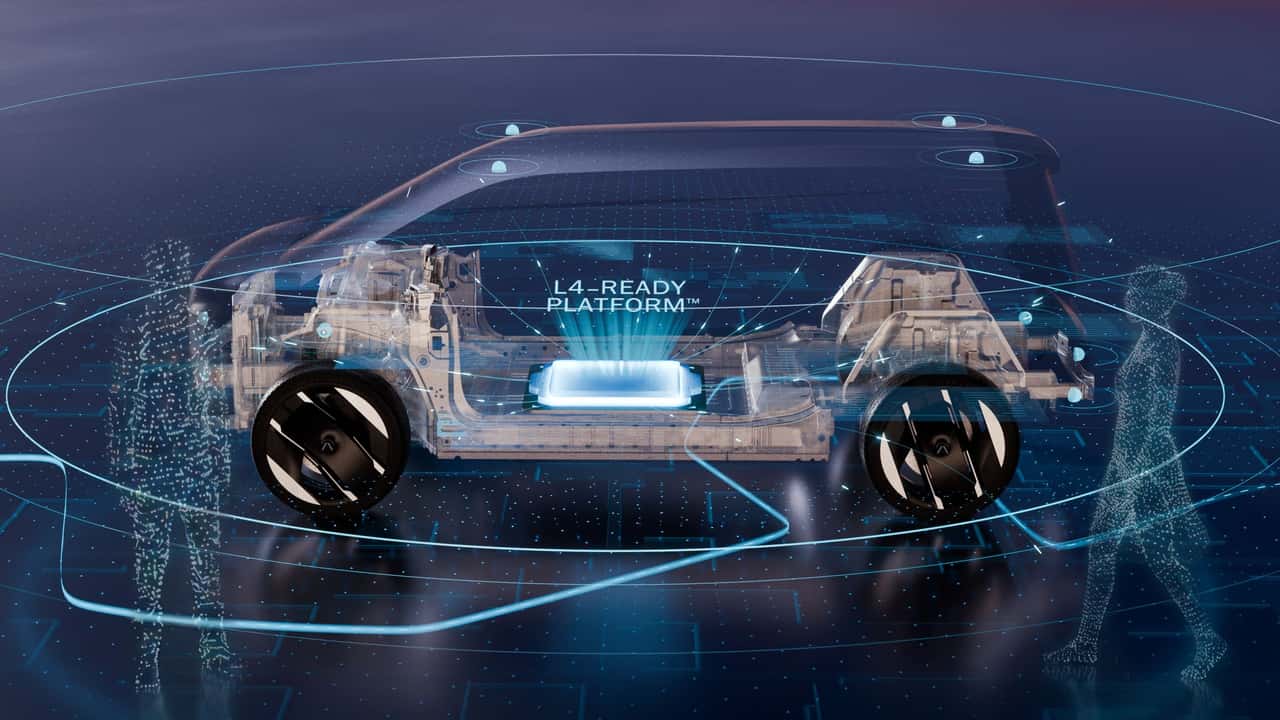
Stellantis brings manufacturing scale. The company produces 8.6 million vehicles annually across brands like Jeep, Ram, Peugeot, Fiat, and Opel. For robotaxi networks, volume matters. Uber needs fleets measured in tens of thousands of autonomous vehicles to achieve meaningful coverage in major cities. Stellantis can supply that. The partnership likely covers modified versions of existing platforms optimized for driverless operation, removing steering wheels and adapting interiors for passenger experience.
Wayve, the London-based autonomous driving firm, represents a different bet. Rather than relying on expensive lidar systems and pre-mapped routes, Wayve uses camera-based perception and machine learning trained on real-world driving data. This approach potentially scales cheaper than traditional autonomous stacks. Waymo, Google's self-driving unit, operates more conservatively in select geographies with highly detailed mapping.
Uber's strategy reflects genuine uncertainty about which technology wins the robotaxi race. Committing exclusively to one approach carries existential risk if that approach fails. By partnering with Stellantis for vehicles, Wayve for software, and maintaining its Waymo relationship, Uber hedges across the industry's most uncertain variables: autonomous capability, vehicle cost, and regulatory approval timelines.
The timing matters. Robotaxi deployments in San Francisco and Phoenix demonstrate viability, but global scale remains theoretical. Stellantis gains a guaranteed customer for purpose-built autonomous vehicles if