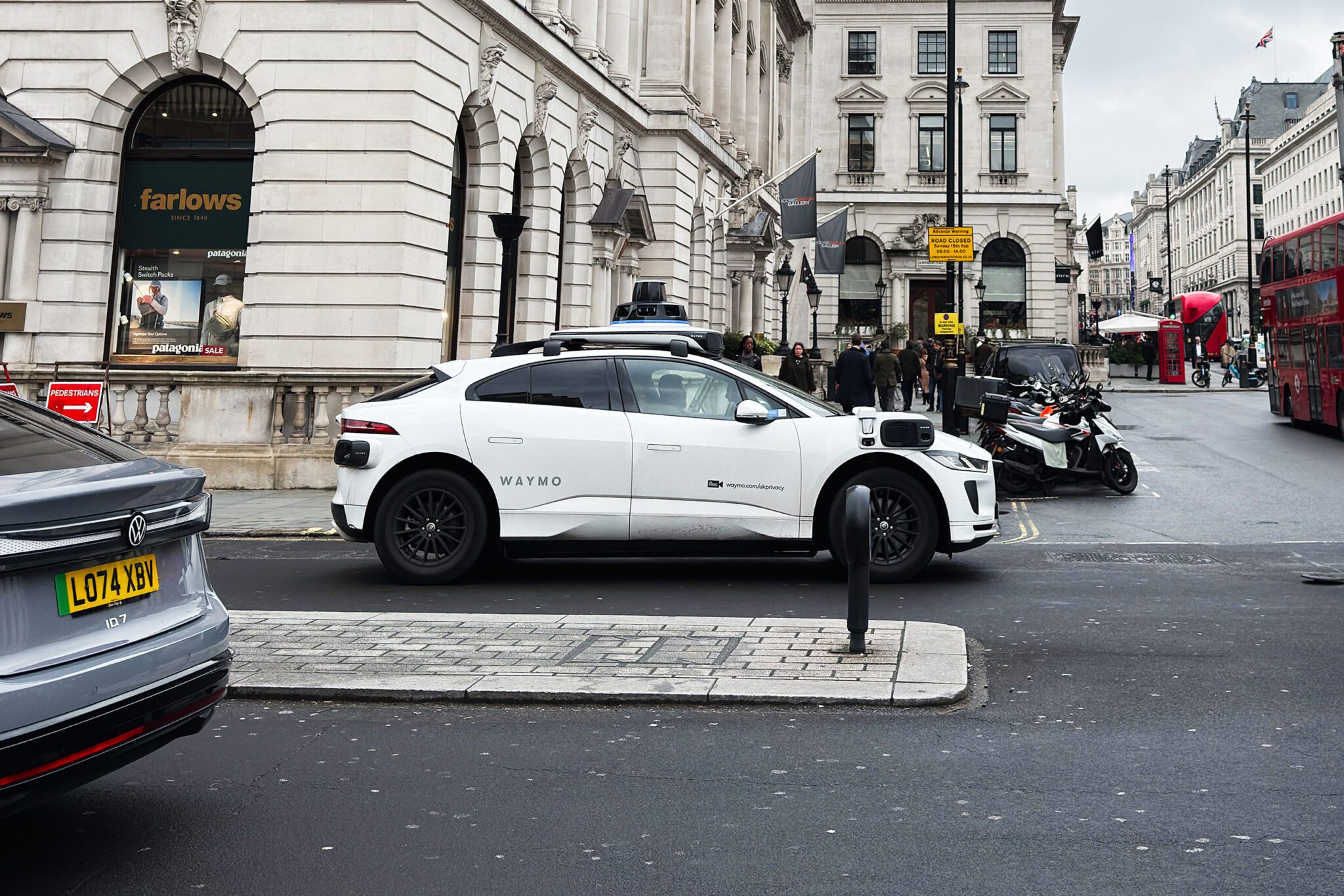
The UK has launched a consultation on safety principles for autonomous vehicles, proposing that self-driving systems must outperform the average human driver. This benchmark sets a clear performance threshold but raises immediate enforcement questions.
The consultation centers on defining what "outperforming average" actually means in measurable terms. Regulators must establish metrics for comparison. Will they use accident rates per mile? Injury severity? Fatality numbers? The devil sits in these definitions. Different measures could yield drastically different approval timelines and safety standards.
Industry players face pressure from both directions. Manufacturers want clarity to proceed with testing and deployment. Safety advocates demand rigorous, independently verified testing before autonomous vehicles operate at scale on public roads. The UK's approach attempts to balance these interests by setting a principle-based framework rather than prescriptive rules.
This consultation comes as autonomous vehicle development accelerates globally. Companies like Waymo operate robotaxis in US cities. China's Baidu and WeChat-backed services expand rapidly. Europe remains more cautious, but the pressure mounts to establish workable regulatory pathways. The UK's consultation signals intent to move forward while maintaining safety rigor.
The average driver baseline presents a moving target. Driver performance varies by age, experience, road conditions, and time of day. Defining a single comparison point becomes genuinely difficult. Some regions see accident rates of 8 fatalities per 100 million miles driven. Others exceed 12. Which regional standard applies? Do autonomous vehicles need to beat the safest human drivers or merely average ones?
Manufacturers will likely advocate for the looser standard, while safety groups push for the tighter one. The outcome shapes deployment timelines for companies betting on UK market access. Waymo, Cruise, and smaller AV startups monitor this closely. A clear, achievable standard accelerates their path to commercial operation. Unclear or shifting standards breed delay